
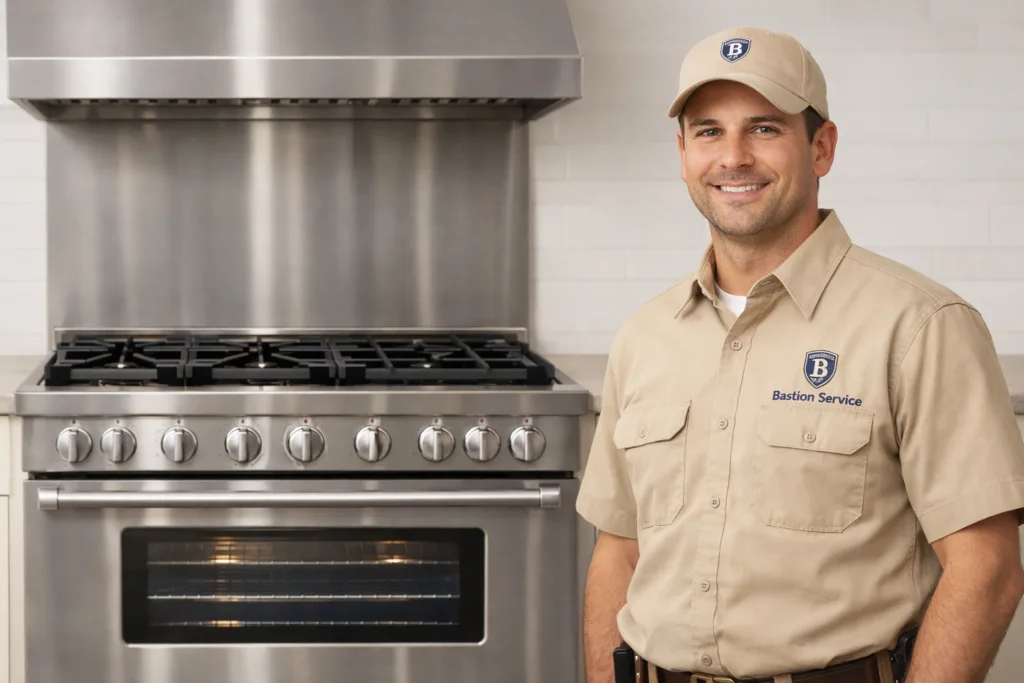




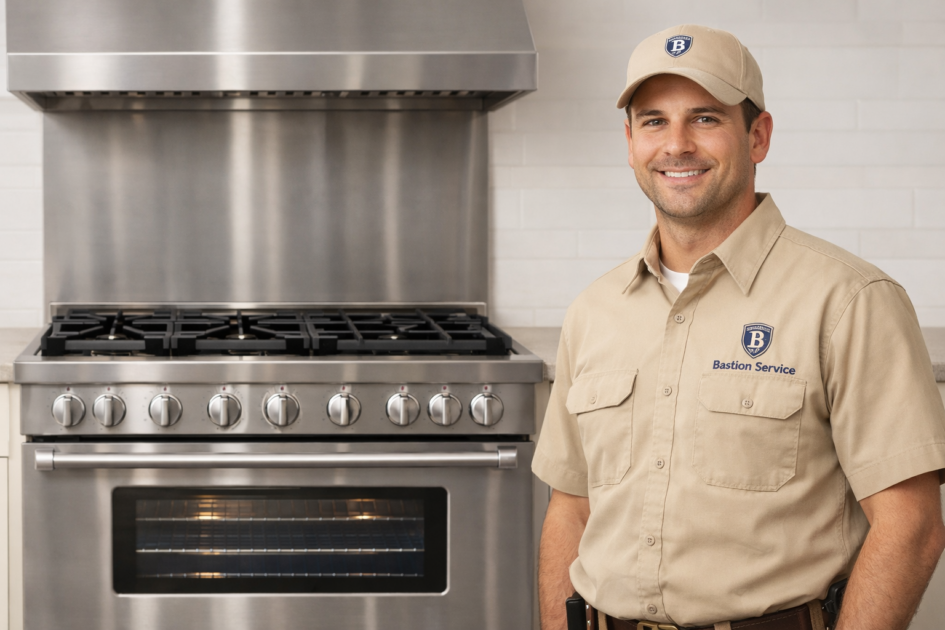
Viking appliances often show early warning signs before they fail outright. A refrigerator may seem a little warmer than usual, an oven may need extra time to preheat, or a cooktop burner may begin clicking longer before ignition. Those smaller changes matter because they usually point to a specific fault pattern rather than a random malfunction. In Beverly Hills homes, catching those patterns early can help limit food loss, avoid cooking disruptions, and reduce the chance that one worn component will strain another.
For specific Viking appliance paths in Beverly Hills, review Viking Refrigerator Repair in Beverly Hills, Viking Freezer Repair in Beverly Hills, and Viking Ice Maker Repair in Beverly Hills.
How Viking appliance problems usually develop
Most household appliance failures do not begin as complete shutdowns. Heat, moisture, grease, vibration, and normal wear gradually affect igniters, sensors, switches, fans, seals, valves, and control parts. With Viking appliances, that can show up as inconsistent performance long before the unit stops working entirely.
A useful diagnosis looks beyond the obvious symptom. For example, “not cooling” may actually involve airflow restriction, a failed fan, a defrost issue, a door seal problem, or a deeper sealed-system fault. “Not heating” may point to an igniter, element, sensor, relay, or control board depending on the appliance type. Looking at the whole symptom pattern is what helps separate a straightforward repair from a larger equipment problem.
Common symptom groups homeowners notice first
Temperature problems
Temperature instability is one of the most common complaints across refrigerators, freezers, wine coolers, ovens, and wall ovens. In cooling appliances, it may appear as warm shelves, soft frozen food, frost buildup, or frequent cycling. In cooking appliances, it often appears as uneven baking, long preheat times, or food that comes out overdone on one side and underdone on the other.
These issues can come from sensors, thermostatic controls, airflow problems, fan motors, damaged gaskets, or heating and cooling components that are no longer performing at full capacity. Because several different faults can create similar results, temperature complaints are usually best judged by how the appliance behaves over time rather than by one isolated incident.
Ignition and burner issues
On Viking cooktops and ranges, ignition trouble tends to show up as repeated clicking, delayed lighting, weak flame, uneven flame, or one burner working while another does not. Sometimes the issue is as simple as debris, moisture, or misalignment around burner parts. In other cases, the problem involves the igniter, spark module, switch, wiring, or gas flow components.
If a burner is slow to light or keeps clicking after ignition, it should not be ignored. Repeated ignition problems can worsen with use, and gas-related symptoms always deserve prompt attention. If there is a strong gas odor, stop using the appliance until the issue is properly addressed.
Noise, leaking, and cycling changes
Appliances often “tell” you something is wrong through sound and timing. A refrigerator that suddenly runs much longer, a freezer with loud fan noise, an ice maker that cycles but produces little ice, or a wine cooler that hums more than usual may be dealing with airflow restrictions, motor wear, drain issues, or control problems.
Water leaks are also important to address quickly. What looks minor at first can affect flooring, nearby cabinetry, or the appliance interior if the real cause is a blocked drain, failing valve, frozen fill tube, or door seal issue.
What to watch for by appliance type
Refrigerators and freezers
Viking refrigerator and freezer problems often begin with one of these signs:
- Fresh food compartment not staying cold enough
- Freezer items softening or developing excess frost
- Water under drawers or on the floor
- Motor or fan noises that were not present before
- Doors not sealing tightly
- Unit running almost constantly
Some of these issues are tied to airflow, defrost, drain, or gasket problems and may be relatively contained if handled early. Others suggest compressor-side or cooling-system trouble, especially when temperatures keep rising despite continuous operation. The main thing to avoid is assuming every warm refrigerator needs the same repair, because the symptom alone does not identify the failing part.
Cooktops and ranges
Cooking appliances usually make problems obvious through day-to-day use. A cooktop burner that sparks without lighting, a flame that looks uneven, or an electric surface that no longer heats consistently all point to targeted component issues. A range can be more complicated because it combines surface cooking, oven heating, controls, and often shared electrical systems.
When both the oven and cooktop begin acting up around the same time, that is worth noting. Multiple symptoms may still come from one root cause, such as a power supply problem, a failing control, or wear in a shared circuit rather than several unrelated part failures.
Ovens and wall ovens
Viking ovens and wall ovens are frequently evaluated for complaints such as:
- Slow or incomplete preheating
- Uneven baking results
- Broiler not working
- Temperature overshooting or dropping
- Door not closing firmly
- Control panel response problems
These symptoms can involve igniters, bake or broil elements, temperature sensors, relays, door gaskets, hinges, or electronic controls. If recipes that used to be reliable begin failing repeatedly, the issue is often more than normal variation. A temperature-related fault may still allow the oven to run, but not well enough to produce consistent results.
Ice makers and refrigerator ice systems
Ice problems tend to fall into a few recognizable categories: no ice, low ice production, leaking, clumped cubes, or cubes that form with unusual size or shape. The fault may involve water supply, inlet valves, mold assemblies, fill tubes, sensors, harvest cycles, or control logic.
Intermittent operation is especially common. An ice maker may still work occasionally while another part is already beginning to fail. That is one reason these problems can be easy to postpone, even though the underlying issue often gets worse with time.
Wine coolers
Wine coolers depend on stable conditions, so even mild temperature drift matters. If a Viking wine cooler runs too warm, too cold, or develops excess interior moisture, the cause may involve a sensor, fan, control, seal, or cooling component. Because these appliances are meant to maintain a narrow storage range, they are often judged less by whether they are “running” and more by whether they are holding steady conditions.
When a symptom suggests faster action
Some problems can wait a short time for scheduling. Others should be addressed sooner because they affect safety, food storage, or surrounding materials. It is smart to pause normal use and arrange service if you notice:
- A persistent burning smell
- A strong gas odor or repeated ignition failure
- Water leaking outside the appliance
- Heavy frost buildup that keeps returning
- Breakers tripping during operation
- Large temperature swings in refrigeration or baking
- Sudden loud buzzing, rattling, or fan noise
These symptoms do not all mean the repair will be major, but they do suggest the problem is active and likely to worsen if left alone.
Repair or replacement depends on the actual failure
With premium appliances, replacement is not always the automatic answer. Many Viking issues still come down to a single failed part or a manageable group of related components. Igniters, sensors, valves, gaskets, fan motors, switches, and some control-related faults often support repair when the rest of the appliance is in solid condition.
Replacement becomes more worth considering when the appliance has multiple active problems, a history of repeat breakdowns, or a high-cost refrigeration failure in an older unit. The challenge is that a unit can look severe and still need a focused repair, while another can appear to be “mostly working” but actually have a more expensive internal problem. That is why the decision should follow diagnosis, not guesswork.
What homeowners in Beverly Hills should expect from the service process
A good service visit should explain the likely cause of the symptom, confirm whether there is secondary wear or damage, and outline whether repair makes sense for that appliance’s condition and age. That matters especially with Viking products, where premium features and multiple control systems can make surface symptoms misleading.
For homeowners comparing options for Viking appliance repair in Beverly Hills, the most useful outcome is understanding what failed, what the repair is intended to correct, and whether continued use before repair is likely to make the issue worse. That kind of clarity helps with everything from a warm refrigerator to an oven that no longer bakes evenly.
Why early attention usually leads to better outcomes
Appliance problems rarely improve on their own. A refrigerator that is slightly warm today may become a food-storage problem tomorrow. A burner that clicks too long may stop lighting completely. An oven with drifting temperature may continue running for weeks, but with increasingly unreliable cooking results.
Addressing symptoms early does not guarantee a small repair, but it often helps preserve options. It can prevent unnecessary part replacement, reduce repeat visits, and give a clearer picture of whether the appliance is worth fixing. For Viking refrigerators, cooktops, ovens, ranges, wall ovens, freezers, ice makers, and wine coolers, that symptom-based approach is usually the smartest place to start.


