
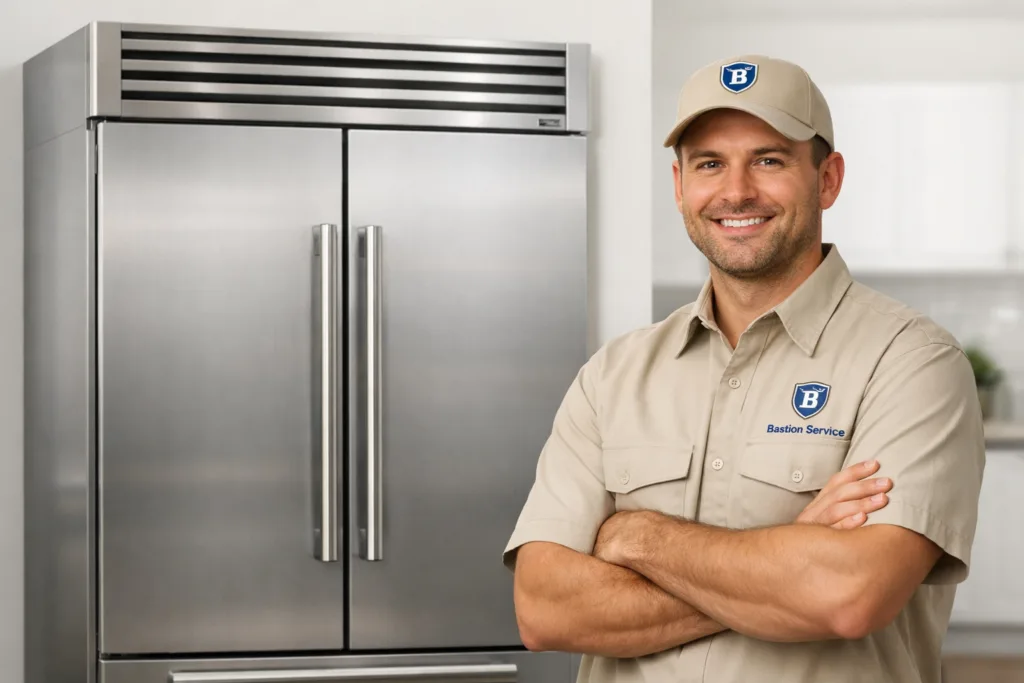




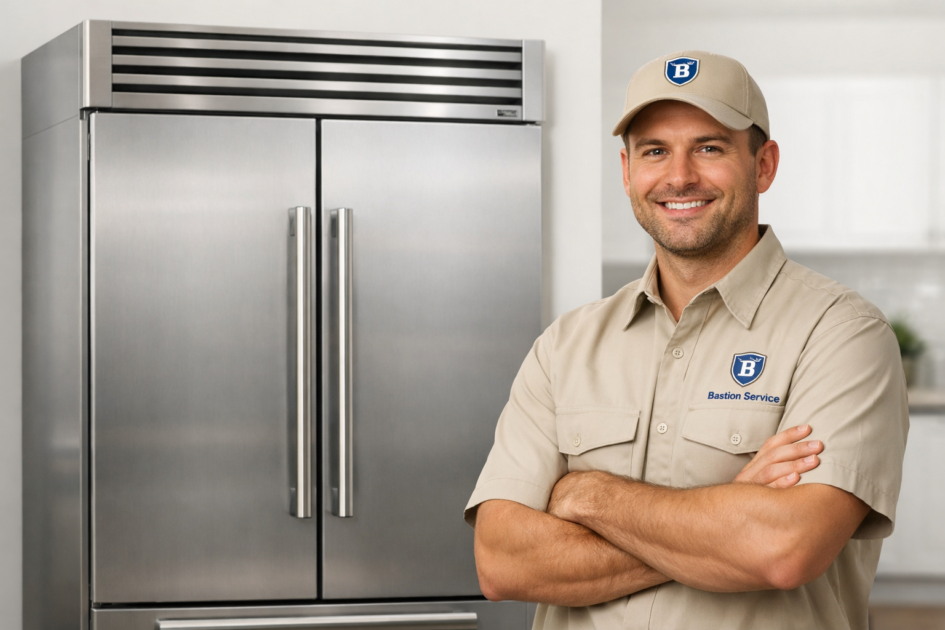
A True refrigerator that stops holding temperature, starts leaking, or runs constantly can affect food storage, daily routines, and the condition of the surrounding kitchen. The most useful way to approach the problem is by looking at the exact symptom pattern, because similar complaints can come from very different components.
Related True and refrigerator service paths in Cheviot Hills include True Appliance Repair in Cheviot Hills, Refrigerator Repair in Cheviot Hills, and True Freezer Repair in Cheviot Hills.
What the symptoms usually mean
Refrigerator problems are often easier to sort out when you look beyond the headline issue. “Not cooling” can point to airflow restrictions, fan trouble, control problems, condenser buildup, or a more serious sealed-system fault. “Too much noise” may come from a fan motor, loose interior parts, cabinet vibration, or a compressor struggling to start. The details matter, especially with temperature-sensitive refrigeration equipment.
Not cooling enough
If food is warming up, drinks are no longer cold, or the freezer seems weaker than usual, possible causes include dirty condenser components, blocked vents, failing evaporator or condenser fans, sensor issues, or control failure. In some cases, weak cooling can also indicate compressor or refrigerant-related trouble. When temperatures drift upward gradually, homeowners sometimes miss the early signs until food begins spoiling faster than expected.
Food freezing in the fresh food section
A refrigerator that is technically cooling but freezing produce, leftovers, or beverages is not regulating correctly. This can happen with sensor faults, control board issues, damper problems, or uneven airflow inside the cabinet. If the problem is ignored, it can lead to repeated food waste and make temperature settings less predictable from day to day.
Water leaks or moisture inside the unit
Water under the refrigerator, damp crisper drawers, or condensation around the door can come from a blocked defrost drain, door gasket wear, alignment problems, or frost melting in the wrong area. Leaks are worth addressing early because ongoing moisture can affect nearby flooring, baseboards, and cabinetry.
Frost buildup or heavy ice
Frost on the back wall, ice collecting where it should not, or doors that seem harder to close can point to door sealing problems, defrost system failure, or restricted airflow. If frost keeps returning after you wipe it away, the issue is usually not cosmetic. It often means the refrigerator is not completing normal temperature management cycles properly.
Noise that changes or gets worse
Buzzing, rattling, clicking, louder humming, or intermittent fan noise can reveal where the failure is developing. Some operating sounds are normal, but repeated clicking without normal cooling, fan scraping, or a sudden increase in vibration usually deserves attention. A worn fan motor or failing start component can begin as a noise complaint before turning into a full cooling loss.
Long run times and temperature swings
If the unit seems to run almost nonstop or temperatures vary during the day, common causes include dirty condenser areas, gasket leaks, control issues, sensor problems, or developing sealed-system trouble. Long run times are important because they often mean the refrigerator is working harder than it should, which can increase wear on other parts.
Signs the problem should not wait
Some refrigerator issues can progress quickly. It is a good idea to schedule service when you notice any of the following:
- Food spoiling earlier than normal
- The refrigerator section feels warm but the freezer is only partly cold
- Persistent leaking under or inside the unit
- Frost returning soon after cleanup
- Clicking, buzzing, or fan noise that is new or getting louder
- The compressor area feels unusually hot
- The unit runs for long stretches without reaching a stable temperature
Even when the refrigerator still cools somewhat, continued operation can make a smaller problem more expensive. A drainage issue can lead to water damage, a weak fan can fail completely, and constant strain can shorten the life of other components.
When repair is often practical
Many household refrigerator problems are repairable when the fault is limited to components such as fans, sensors, controls, drains, door gaskets, switches, or other accessible electrical parts. These issues can cause serious symptoms, but they do not always mean the appliance is near the end of service life.
Repair becomes a bigger decision when the refrigerator has multiple failing systems, advanced sealed-system trouble, or a compressor-related issue that no longer makes sense compared with the appliance’s condition. That is why a symptom-based evaluation matters. A refrigerator that seems beyond saving may have one targeted fault, while a unit with a mild cooling complaint may have deeper system problems.
What to check before service
A few simple observations can help narrow down the cause before a service visit. Homeowners in Cheviot Hills can make the process more efficient by noting:
- Whether the freezer is still colder than the fresh food section
- Whether interior lights and controls are working normally
- Whether the unit clicks before trying to start
- Whether frost is visible on the back interior wall
- Whether leaks happen at certain times or all day
- Whether the issue began after a power outage, cleaning, moving the appliance, or adjusting settings
It also helps to avoid frequent door openings if temperatures are already unstable. That can reduce additional warming while the problem is being assessed.
Why symptom patterns matter with True refrigerators
True refrigerator issues are not always obvious from one quick glance. Two units with the same warm interior may need completely different repairs depending on whether the root cause is airflow, defrost failure, controls, fan operation, or the refrigeration system itself. Looking at the full pattern of cooling behavior, frost, sound, moisture, and cycle length is usually the fastest way to identify the most likely repair path.
True Refrigerator Repair in Cheviot Hills for household cooling problems
For homeowners in Cheviot Hills, the goal is to address the actual failure before food loss, water damage, or added component wear builds up. Whether the complaint is weak cooling, freezing food, frost, leaks, or unusual noise, the next step should be based on what the refrigerator is specifically doing, not on guesswork or repeated resets.
When the symptom pattern is understood, it becomes much easier to decide whether to proceed with repair right away, limit use until the issue is corrected, or consider replacement if the problem is extensive.


