




When a Thermador appliance stops cooling, heating, draining, or starting normally, the most useful next step is to match the symptom to the system that commonly causes it. Premium appliances often show one visible problem while the real fault sits elsewhere, so a warm refrigerator, a slow oven, or a dishwasher that leaves water behind should not be treated as a simple parts guess.
For specific Thermador appliance paths in Inglewood, review Thermador Refrigerator Repair in Inglewood, Thermador Freezer Repair in Inglewood, and Thermador Dishwasher Repair in Inglewood.
Start with the symptom pattern
One reason appliance problems can be frustrating is that similar symptoms can come from very different failures. An oven that will not reach temperature may have a sensor issue, a failing element, a relay problem, or a power supply fault. A refrigerator that feels warm may be dealing with airflow restriction, a fan problem, frost buildup, or a sealed-system issue. A dishwasher with standing water may have a clogged drain path, a weak pump, or a control problem that interrupts the cycle too early.
For homeowners in Inglewood, paying attention to how the problem behaves can make the repair decision easier. Ask whether the issue is constant or intermittent, whether it affects one function or all functions, and whether any noise, odor, leak, or error code appears at the same time. That context often says more than the symptom alone.
Thermador refrigerator and freezer problems
Refrigerator and freezer issues tend to become urgent quickly because food storage is involved. Common complaints include rising temperatures, frost accumulation, unusual fan noise, water leaking onto the floor, an ice maker that stops producing, or a unit that seems to run continuously without recovering normal cooling.
These symptoms can point to several different fault groups:
- Airflow problems: blocked vents, overloaded shelves, or a failed evaporator fan can keep cold air from circulating properly.
- Defrost problems: repeated frost buildup often suggests an issue in the defrost heater, sensor, or control system.
- Door seal trouble: torn or loose gaskets can let warm air in and create condensation or frost.
- Water system faults: leaks may come from a clogged drain, valve issue, or ice maker supply problem.
- Compressor or sealed-system concerns: poor cooling with long run times can indicate a more serious refrigeration issue.
If only one section is warming, that detail matters. A fresh food section that warms while the freezer still looks cold often suggests an airflow or defrost problem. If both sections are losing temperature together, the cause may be broader. Repeatedly resetting temperatures without finding the cause usually does not solve the underlying issue.
When refrigerator service should not wait
Schedule service promptly if food temperatures are rising, frost keeps returning after manual clearing, the compressor seems to run almost nonstop, or water is pooling under the unit. Continued operation under those conditions can increase wear and may lead to food loss or a larger repair later.
Thermador dishwasher problems
Dishwasher performance issues are not always about detergent or loading habits. A Thermador dishwasher that starts leaving dishes dirty, wet, noisy, or surrounded by standing water may be dealing with a wash-system or drain-system problem rather than a basic maintenance issue.
Symptoms often fall into a few recognizable groups:
- Poor cleaning: can point to spray arm blockage, circulation pump weakness, low water fill, or filter restrictions.
- Standing water: commonly relates to a drain pump issue, blockage, kinked drain line, or incomplete cycle.
- Leaks: may come from the door seal, sump area, hose connections, or overfilling.
- No start or interrupted cycles: latch problems, user interface faults, or electronic control issues are often involved.
- Poor drying: can be tied to a heater problem, rinse aid issue, vent fault, or cycle interruption.
If the machine hums but does not move water, shuts off mid-cycle, or leaves the tub full at the end, further use can strain pumps and motors. If water is escaping onto the floor or into surrounding cabinetry, stop running the dishwasher until the source is checked.
Signs the issue is more than normal wear
A one-time cleaning result may not mean much. A repeated pattern usually does. When multiple loads come out cloudy, gritty, still wet, or partially washed, the problem is more likely mechanical or electronic than cosmetic. Consistency is the clue.
Thermador cooktop and range problems
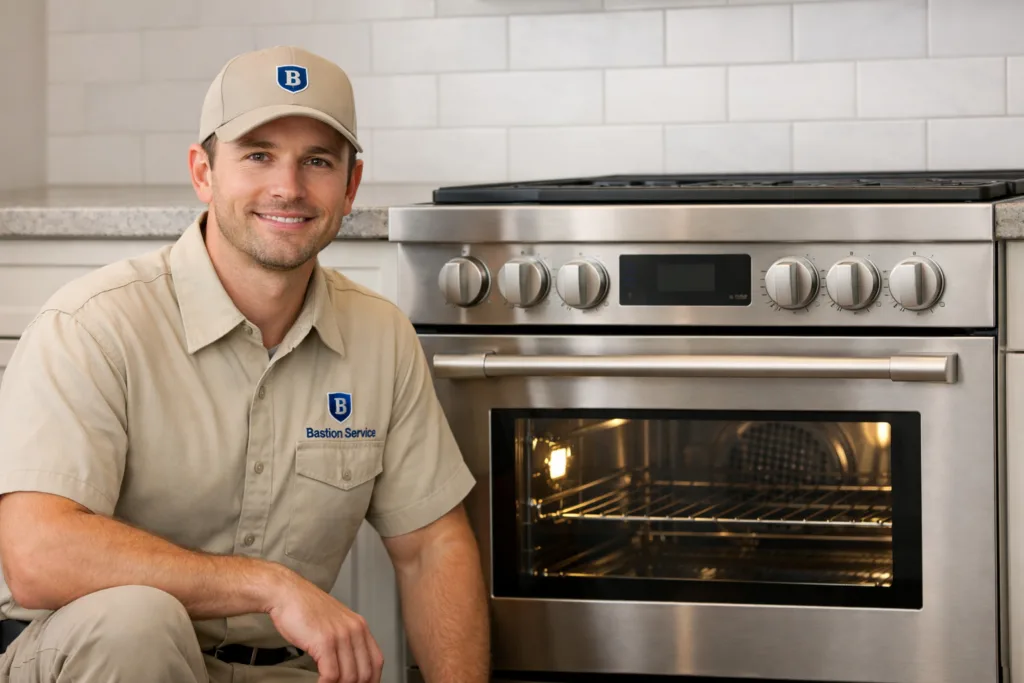
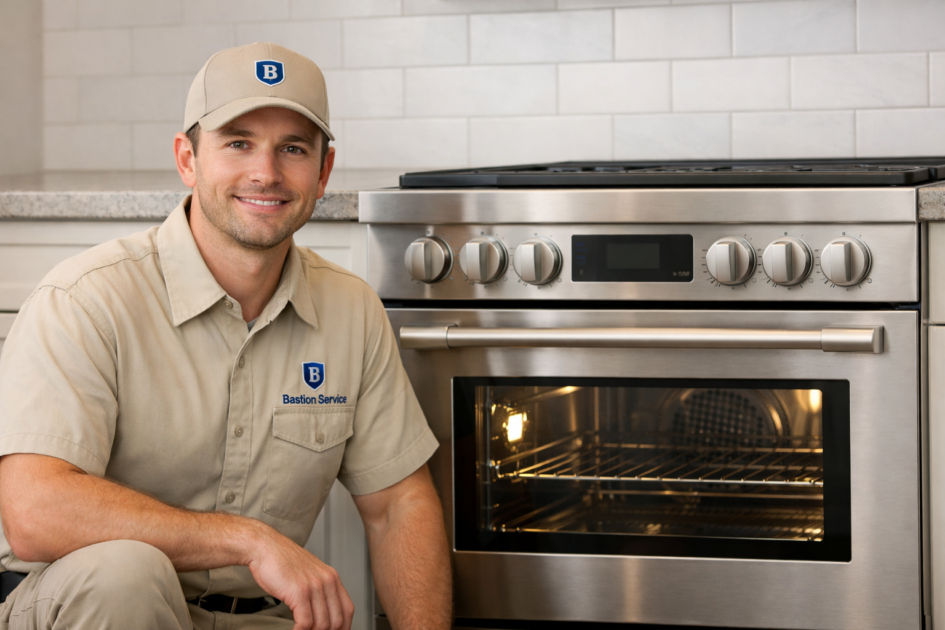
Cooktops and ranges usually announce trouble through ignition problems, uneven flame, weak heating, burner clicking, control issues, or temperature behavior that does not match the setting. Gas and electric models show different symptom patterns, but the same rule applies: one visible complaint can have several causes.
On gas units, common complaints include burners that click continuously, ignite slowly, light unevenly, or fail to light at all. These issues may come from moisture around the igniter, clogged burner ports, a spark ignition problem, or a switch fault. On electric models, slow heating or a burner that cycles strangely may point to an element, switch, wiring, or control issue.
Range problems can also involve the oven portion, especially when surface burners seem normal but baking results are off. If both top and oven performance are affected, the diagnosis may need to include shared control or power components.
Important safety signs
If there is a strong gas smell, stop using the appliance and address safety immediately. If a burner clicks repeatedly without lighting, lights with a delay, or produces an unstable flame, it should be inspected before regular cooking continues. Electrical tripping, visible sparking, or controls that behave unpredictably also deserve prompt attention.
Thermador oven and wall oven issues
Oven complaints often sound simple at first: it takes too long to preheat, food bakes unevenly, broil does not work, the display shows an error, or the cavity shuts off during use. In practice, those symptoms can come from heating components, temperature sensors, door latch systems, wiring, or control boards.
Some of the most common oven and wall oven symptom patterns include:
- Slow preheating: may suggest a weak bake or broil element, sensor drift, or a control issue.
- Temperature inaccuracy: can come from calibration needs, a failing sensor, or relays not cycling heat correctly.
- Uneven baking: may involve convection fan problems, element performance, or heat distribution issues.
- Error codes or shutdowns: often indicate a control, communication, or overheating fault.
- Door problems: a door that does not close or latch properly can affect temperature stability and self-clean functions.
Wall ovens deserve extra attention because built-in installation can make access more involved. If the unit is showing repeated electronic faults, inconsistent heating, and door-related issues together, it is worth evaluating the appliance as a whole rather than focusing on one symptom in isolation.
How to decide whether repair makes sense
Repair is usually worthwhile when the problem is isolated to one system and the rest of the appliance remains stable. That is often the case with fan motors, sensors, igniters, pumps, gaskets, heating elements, and some control-related faults. When the appliance has been performing well overall and the current issue has a defined cause, repair can restore reliable day-to-day use.
Replacement becomes a more realistic conversation when there are repeated failures, major cooling system problems, multiple electrical faults, or signs that several expensive systems are aging at the same time. The key is not whether the appliance can be made to run briefly, but whether the repair addresses the actual cause in a durable way.
What to note before scheduling service in Inglewood
A few observations can make diagnosis more efficient:
- Whether the problem is constant or intermittent
- Any error code shown on the display
- Recent power interruptions or tripped breakers
- Unusual smells, noises, leaks, or vibration
- Whether one section, burner, rack, or oven cavity is affected more than the rest
- How long the problem has been happening and whether it is getting worse
For refrigerators and freezers, note actual temperatures if possible. For dishwashers, identify whether the main issue is washing, draining, drying, or starting. For ovens and ranges, pay attention to whether the problem appears in bake, broil, convection, or only at one burner. Small details like these often help narrow the likely fault group before any part decisions are made.
Why prompt attention matters
Many appliance problems start as performance issues and turn into reliability issues if ignored. A refrigerator that runs constantly may place extra strain on major components. A dishwasher leak can damage flooring or cabinets. A cooktop ignition problem can become a safety concern. An oven with unstable heating can become harder to trust for everyday cooking.
For households in Inglewood, the best approach is to respond early when the symptom first becomes consistent. That gives you a better chance of limiting damage, protecting surrounding surfaces and food, and choosing a repair path based on evidence instead of guesswork.


