
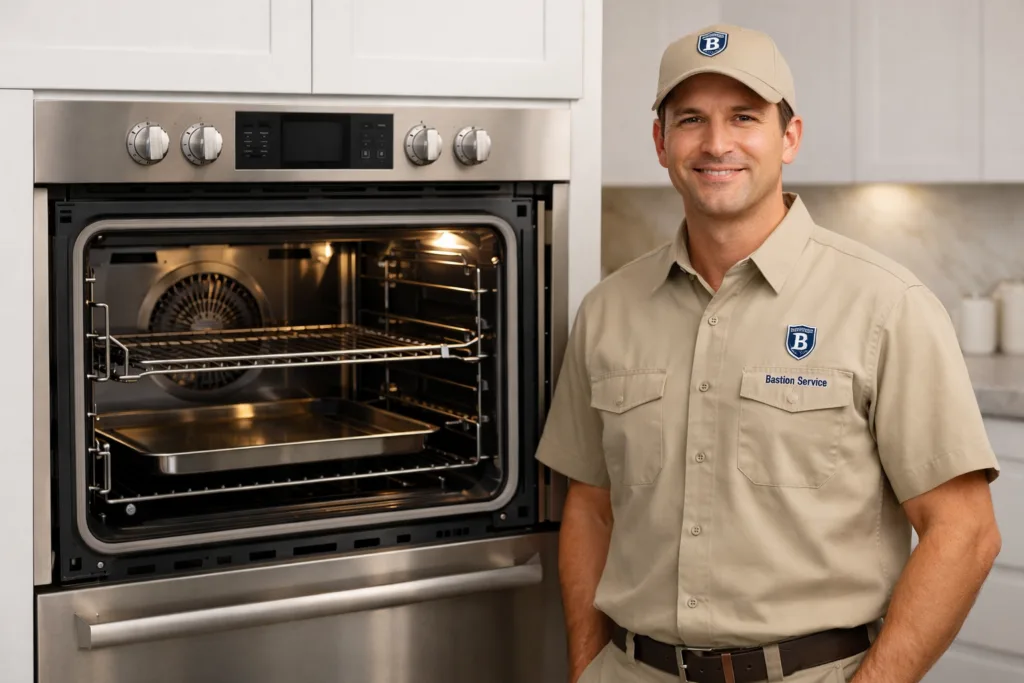




What Thermador symptoms usually mean before a repair is approved
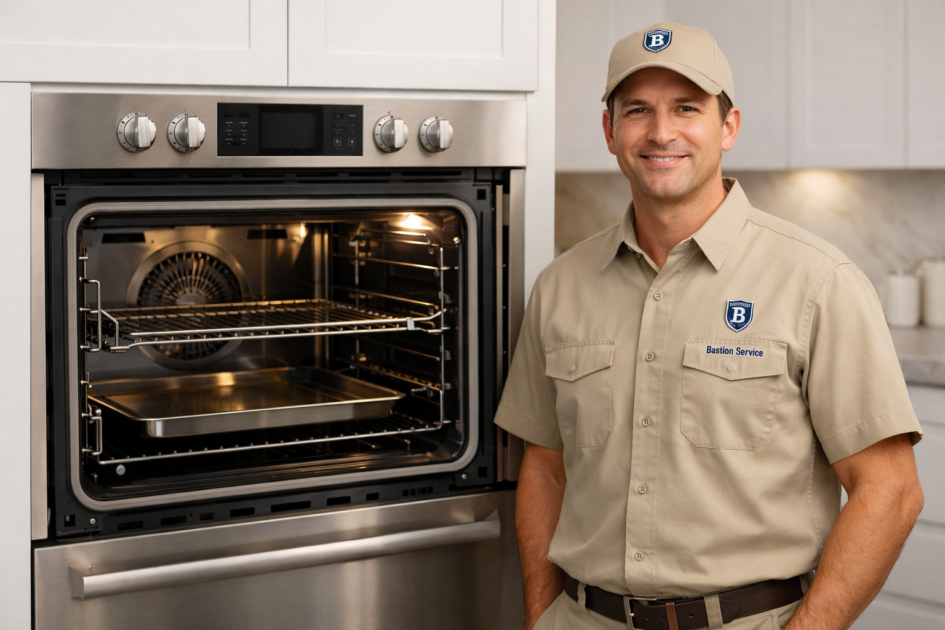
A Thermador appliance rarely fails in only one simple way. A refrigerator that feels warm may still be running, but losing airflow in one section. A dishwasher may complete a cycle, yet leave dishes dirty or water at the bottom. An oven may turn on and still miss the target temperature by enough to affect everyday cooking. Looking at the symptom pattern first helps separate a minor functional issue from a larger component or control problem.
For specific Thermador appliance paths in Hawthorne, review Thermador Refrigerator Repair in Hawthorne, Thermador Freezer Repair in Hawthorne, and Thermador Dishwasher Repair in Hawthorne.
That matters in Hawthorne homes because Thermador appliances often combine premium features, electronic controls, and model-specific parts. A surface symptom can come from several different causes, so the best repair decisions usually come after testing how the appliance behaves under normal use rather than replacing parts based on guesswork alone.
Temperature problems across refrigerators, freezers, ovens, and ranges
When cooling is inconsistent
Refrigerator and freezer complaints often begin with one obvious sign: food is not staying as cold as it should, frost starts building up, or one compartment feels different from the other. In many cases, the issue is not the entire appliance shutting down, but a specific failure involving airflow, defrost operation, fan movement, sensor feedback, or door sealing.
Watch for signs such as:
- Milk or leftovers spoiling faster than usual
- Soft frozen food or partial thawing
- Condensation on shelves or around door edges
- Heavy frost on the back wall or inside the freezer
- A refrigerator that seems to run constantly without reaching normal temperature
These symptoms should not be left alone for long. Continued operation during a cooling fault can strain other components and increase the chance of food loss.
When baking and roasting results change
Oven, wall oven, and range temperature problems often show up in everyday cooking before they appear as a total failure. Food may brown unevenly, preheat may take much longer than normal, or the oven may cycle in a way that causes undercooked centers and overdone edges. That can point to a weak heating element, an igniter that no longer draws properly, a temperature sensor issue, or a control problem affecting heat regulation.
If recipes that normally work begin failing for no clear reason, the appliance may already be operating outside its intended temperature range. A visible error code is useful, but many heating problems show up first as performance changes rather than a complete shutdown.
Dishwasher issues that point to more than poor cleaning
Thermador dishwashers can develop problems gradually. Some homeowners notice a cycle that sounds different. Others first see cloudy dishes, standing water, or moisture leaking onto the floor. Because dishwashers depend on proper fill, wash pressure, heating, and drainage all working together, one weak point can affect the whole cycle.
Common signs worth checking promptly
- Water left at the bottom after the cycle ends
- Dishes that come out gritty, dull, or still dirty
- Leaking near the door or underneath the unit
- Unusual humming, grinding, or buzzing during wash or drain
- A machine that stops mid-cycle or never seems to finish
Standing water can suggest a drain obstruction, pump trouble, or a control sequence issue. Poor cleaning may relate to spray arm blockage, circulation problems, or heating performance. A leak near cabinetry should be addressed early, since repeated moisture exposure can damage nearby surfaces long before the dishwasher completely stops working.
Cooktop and burner behavior that should not be ignored
Surface cooking issues become disruptive quickly because they affect daily meal preparation. On Thermador cooktops and ranges, burner trouble may appear as repeated clicking, delayed ignition, uneven flame, poor heat response, or settings that no longer match the actual output.
Sometimes the problem is isolated to one burner assembly. In other cases, the symptom points to ignition components, switch failure, wiring concerns, or moisture interfering with normal spark operation. If a burner clicks continuously or heats unpredictably, it is better to stop treating it as a minor annoyance and have the cause identified.
Signs the issue may be getting worse
A cooktop or range often gives early warning before complete failure. You may notice that ignition takes longer than before, the flame looks inconsistent, or one burner behaves differently from the others. These changes can help narrow the fault while the appliance is still partially operational, which is often the best time to schedule service rather than waiting for a total loss of function.
Noise, smells, and cycle changes can be useful clues
Not every repair starts with a leak or a full breakdown. Many Thermador problems begin with a change in sound, timing, or overall behavior. A refrigerator may start humming louder, a dishwasher may grind during drain, or an oven may take noticeably longer to preheat. These changes often indicate that a motor, fan, pump, or heating component is still working but under stress.
Pay attention if you notice:
- Buzzing or rattling that was not present before
- Longer run times
- Repeated cycling on and off
- Electrical smells or overheating odors
- Controls that respond slowly or inconsistently
Small changes are easier to dismiss, but they often provide the best diagnostic clues. A technician can usually learn more from “it now takes twice as long to preheat” than from “it stopped working one day” if that later failure was the final stage of a longer issue.
How the supported Thermador appliance categories differ in repair needs
Refrigerators and freezers
Cooling appliances usually deserve faster attention than other kitchen equipment because food preservation is involved. Warm sections, ice buildup, fan noise, poor sealing, and water around the unit all deserve prompt evaluation. Freezer issues can also affect refrigerator performance when airflow and defrost systems are shared.
Dishwashers
Dishwasher repairs are often most successful when homeowners report exactly what changed: whether the unit fills, sprays, drains, heats, or completes the cycle. That symptom detail helps separate a drainage issue from a wash-motor or control problem.
Cooktops, ranges, ovens, and wall ovens
Cooking appliances are usually judged by results. If the unit turns on but cannot maintain normal heat, ignites poorly, or cooks unevenly, the problem may be more specific than it appears. Accurate diagnosis matters because similar complaints can come from different heating, ignition, or sensor faults.
When it makes sense to stop waiting
Some appliance problems can be monitored briefly, but others should be scheduled quickly. It is usually time to act when:
- The appliance no longer performs its main job reliably
- Food temperatures are no longer safe
- Water is leaking onto the floor or inside cabinetry
- Burners or oven heat are unpredictable
- The unit shows repeated error codes or stops mid-cycle
- A breaker trips during operation
- New noises or odors appear during normal use
Waiting tends to make the most sense only for cosmetic issues or minor convenience problems. Heat, water, electrical behavior, and food storage problems usually become more expensive or more disruptive if they are ignored.
Repair versus replacement for a premium appliance
For many Thermador units, repair remains worthwhile when the appliance is otherwise in good condition and the fault is limited to a specific system. That is often true with igniters, heating elements, sensors, fans, drain components, door seals, and some control-related issues. The key question is whether the current problem is isolated or part of a broader decline.
Replacement becomes a more serious consideration when several systems are failing at once, the appliance has major structural or sealed-system concerns, or the expected repair cost no longer aligns with the remaining useful life of the unit. Homeowners in Hawthorne usually benefit most from a straightforward assessment of age, condition, part availability, and likely performance after repair is completed.
What to have ready before a service appointment
A little preparation can make diagnosis faster and more accurate. Before scheduling, it helps to note:
- The full model number if it is easy to access
- When the problem started
- Whether the symptom is constant or intermittent
- Any error codes or flashing indicators
- Recent changes in noise, temperature, drainage, or ignition
- Whether the issue affects one function or the entire appliance
Photos of frost buildup, leaking water, or error displays can also help if the symptom is intermittent. The more specific the pattern, the easier it is to focus on the right system during the visit.
Choosing the next step for Thermador appliance repair in Hawthorne
If your Thermador refrigerator, freezer, dishwasher, cooktop, oven, wall oven, or range is no longer operating the way it should, the most useful next step is a diagnosis tied to the actual symptoms you are seeing at home. That approach helps you decide whether the issue is urgent, whether repair is sensible, and what level of work is likely needed to restore normal use in your Hawthorne home.


