
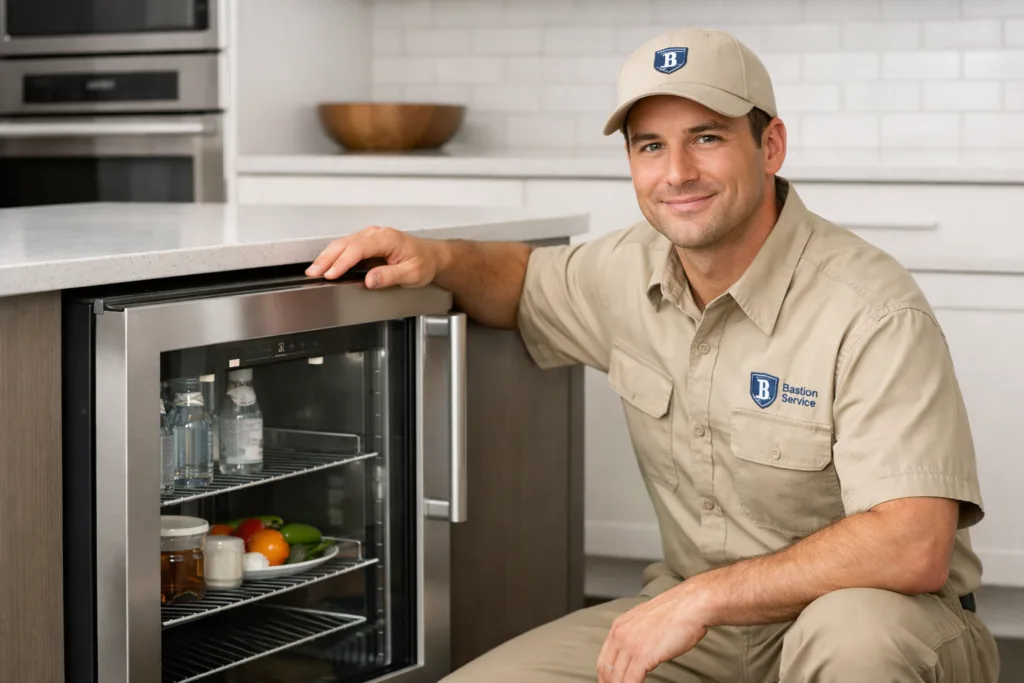




How Summit appliance problems usually show up at home
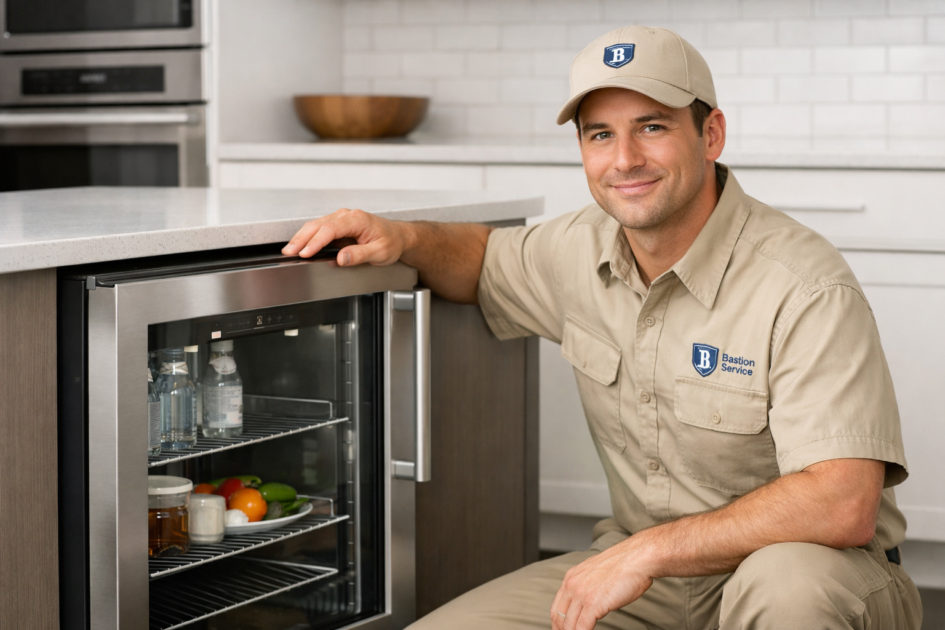
Most appliance failures do not begin as a total shutdown. They start with a pattern: a refrigerator that seems a little warmer by the end of the day, a dishwasher that leaves grit on glasses, a burner that clicks longer than usual, or an oven that suddenly needs extra time to finish the same meal. Paying attention to that pattern matters because the visible symptom is often only the surface of the problem.
With Summit appliances, the same household complaint can come from very different causes. A cooling issue might involve airflow, a thermostat, a fan, a door seal, or a sealed-system component. A heating issue might involve an element, igniter, sensor, relay, or control fault. Looking at the exact behavior of the appliance is usually more useful than guessing based on one broad symptom alone.
Refrigerator and freezer symptoms worth taking seriously
Temperature problems are usually the most urgent because they affect food storage quickly. If a Summit refrigerator or freezer is running but not holding steady temperatures, there may be a defrost issue, blocked airflow, fan trouble, sensor drift, gasket wear, or a deeper cooling-system fault. A unit that seems to cool only part of the cabinet can be just as important as one that stops cooling altogether.
Homeowners often notice one or more of these warning signs before complete failure:
- Food spoiling faster than normal
- Frost building up on shelves or the back wall
- Water collecting under drawers or on the floor
- A compressor that runs for long stretches without cycling off
- Buzzing, rattling, or fan noises that were not there before
If the freezer still seems cold but the fresh food section is warming, that can point to a circulation or defrost problem rather than a total loss of refrigeration. If the unit is warm throughout, the likely causes change. This is why symptom timing, compartment behavior, and any recent change in noise level are useful details to note before service.
Ice maker and wine cooler issues can signal larger cooling problems
An ice maker that stops producing, makes hollow cubes, leaks, or clumps ice together is not always dealing with a single ice-maker part failure. Water supply restrictions, fill valve issues, low freezer temperature performance, sensor problems, and drainage concerns can all produce similar results. If moisture is showing up around the appliance, it is smart to act early before surrounding materials are affected.
Wine coolers deserve the same attention to temperature stability. A Summit wine cooler that drifts out of range, runs constantly, develops condensation, or becomes unusually loud may have trouble with seals, airflow, controls, or cooling components. Even a mild fluctuation can matter when the goal is consistent storage rather than simple chilling.
Dishwasher problems are often more than a cleaning issue
When a dishwasher stops cleaning well, it is easy to assume the detergent, loading pattern, or hard water is to blame. Sometimes that is true, but repeating the same cycle with poor results can also point to a circulation problem, spray arm blockage, drain restriction, pump wear, inlet trouble, or electronic control failure.
Common signs include:
- Dishes coming out cloudy or gritty
- Standing water after the cycle ends
- Leaking from the door or underneath the unit
- Humming, grinding, or unusually loud wash sounds
- A unit that will not start, latch, or complete a cycle
Leaks and drainage issues should not be ignored just because the machine still partly works. A small amount of escaping water can spread beyond the dishwasher footprint before it becomes obvious. If there is a burning odor, repeated shutdown, or breaker trip, normal use should stop until the appliance is evaluated.
Cooktop, range, oven, and wall oven faults often begin with inconsistency
Cooking appliances rarely fail in a convenient way. More often, they become unreliable first. A Summit cooktop may begin clicking repeatedly, a burner may heat weakly, or a range may respond poorly to setting changes. Ovens and wall ovens may still turn on but preheat slowly, bake unevenly, or miss the selected temperature by enough to affect results.
These symptoms can point to several possible faults:
- Igniter or ignition component wear
- Surface element or bake/broil element failure
- Temperature sensor drift
- Switch, relay, or control board problems
- Door hinge, seal, or closure issues
An oven that overheats can be just as problematic as one that stays too cool. If food browns too quickly on one side, takes much longer than normal, or comes out differently from rack to rack, the appliance may not be regulating heat correctly. For cooktops and ranges, erratic burner behavior should be treated as a functional problem rather than a minor annoyance.
When waiting usually makes the repair more expensive
Some appliance problems remain stable for a while, but many do not. A refrigerator running nonstop can place extra strain on other components. A dishwasher with a small leak can turn into cabinet or flooring damage. An oven with a failing sensor can become less predictable over time, making meals harder to manage and increasing wear on heating parts.
It usually makes sense to schedule service promptly when you notice any of the following:
- Cooling temperatures are no longer safe or consistent
- Water is leaking inside or outside the appliance
- The appliance shuts off, trips power, or displays recurring errors
- Noises, odors, or performance changes are getting worse
- Burners, elements, or controls are behaving unpredictably
Repair or replace? The real answer depends on the fault
Homeowners often ask the replacement question too early, before the underlying issue is identified. Age matters, but condition matters more. A newer Summit appliance with one isolated failed component may be a strong repair candidate. An older unit with repeated breakdowns, multiple worn systems, or major cooling-system trouble may be harder to justify.
A useful decision usually comes down to four things:
- Whether the problem is isolated or spread across multiple systems
- How the appliance has been performing before this failure
- Whether the repair cost is reasonable for the unit’s condition
- Whether the household still wants the same appliance configuration and features
That is where a clear diagnosis and a practical repair plan are most helpful. They separate a repairable problem from a unit that may continue costing money after the first visit.
What to note before scheduling Summit service in West Hollywood
A few details can make troubleshooting faster and more accurate. If possible, note when the problem started, whether it is constant or intermittent, whether there are unusual sounds or smells, and whether the issue followed a power interruption, cleaning, relocation, or change in settings. For cooling appliances, an actual temperature reading is more useful than a general impression that the unit feels warm.
It also helps to note what still works. For example, if the freezer is cold but the refrigerator is not, or if broil works but bake does not, that difference can narrow the likely cause. If the problem is active leaking, obvious overheating, or unreliable food storage, limiting use until the appliance is checked is usually the safer choice.
A household-focused approach across Summit appliance categories
In West Hollywood homes, Summit issues can appear across refrigerators, freezers, ice makers, dishwashers, cooktops, ovens, wall ovens, ranges, and wine coolers. Although each appliance category has its own failure patterns, the most useful next step is usually the same: match the repair decision to the actual symptoms instead of assuming every poor performance issue has a simple fix.
That approach helps homeowners avoid wasted parts, repeated downtime, and repairs that do not address the real source of the problem. Whether the appliance is cooling poorly, heating unevenly, leaking, making new noise, or failing to respond at all, the symptom pattern usually tells the story of what should happen next.


