
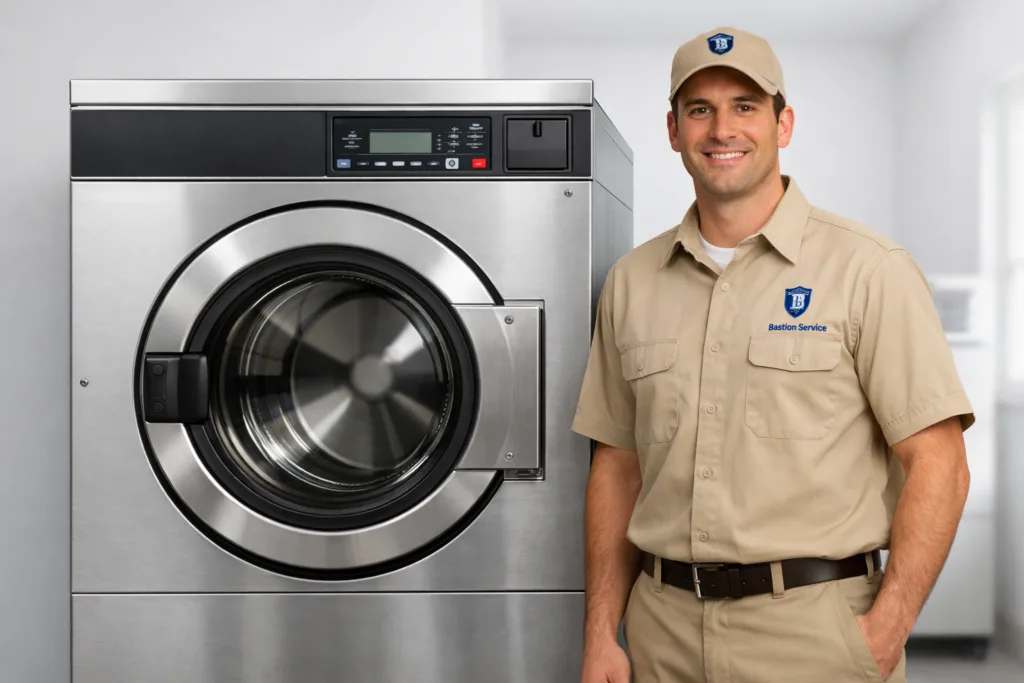




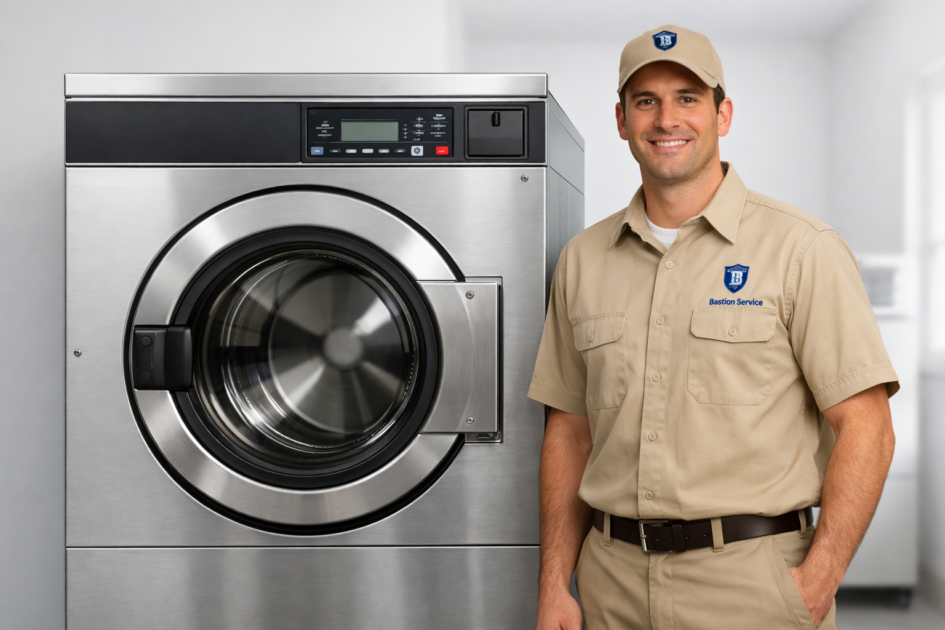
Washer and dryer problems can quickly disrupt scheduling, customer turnover, and staff workload when laundry equipment is part of daily operations. For businesses in Sawtelle, the most useful next step is to have the symptom pattern evaluated in a service context so you can determine whether the unit should remain in use, be scheduled for prompt repair, or be taken offline to limit added damage. Bastion Service works with local operators to diagnose Speed Queen equipment issues and plan repair around downtime impact, parts needs, and operating priorities.
For specific equipment paths in Sawtelle, review Speed Queen Washer Repair in Sawtelle, Speed Queen Dryer Repair in Sawtelle, and Commercial Appliance Repair in Sawtelle.
Speed Queen washer and dryer problems that often need repair
Speed Queen laundry equipment is designed for repeated use, but heavy workloads, long operating hours, and normal wear still lead to failures over time. Some issues cause a full shutdown, while others show up first as slower cycles, poor results, or inconsistent performance. In either case, service is usually most effective when the problem is addressed before it spreads to related components.
Washer not starting, locking, draining, or spinning correctly
If a washer does not begin a cycle, gets stuck after filling, will not unlock properly, or leaves water behind, the fault may involve the door lock system, drain pump, control board, pressure sensing, or wiring. A washer that will not spin normally can also point to drive-system wear, load-balance problems, or other mechanical issues that reduce extraction. When water remains in the drum or cycles stop midway through operation, it can create a bottleneck that affects the rest of the laundry room.
Dryer not heating, overheating, or taking too long to dry
A dryer that tumbles without producing heat, dries inconsistently, or runs for unusually long periods may be dealing with airflow restrictions, heating component failure, sensor problems, or control issues. In business settings, long dry times reduce throughput and can make it harder to keep up with normal demand. A dryer that overheats or shuts off unexpectedly also deserves quick attention because continued use may increase wear on other parts and raise the chance of a larger failure.
Noise, vibration, and movement during operation
Grinding, scraping, squealing, banging, or unusual vibration often signals mechanical wear that should not be ignored. On washers, the source may involve bearings, suspension parts, drive components, or uneven load handling. On dryers, rollers, belts, idlers, drum supports, or motor-related parts may be responsible. Equipment that becomes noisier over time usually benefits from inspection before the problem turns into cabinet damage, drum issues, or a complete breakdown.
Early performance issues that affect uptime
Not every repair call starts with a machine that has fully stopped working. Many operators first notice gradual changes that affect efficiency long before the unit fails outright.
Weak wash results or inconsistent drying
When loads are not coming out as clean or dry as expected, the problem may be related to drainage, wash action, airflow, sensors, heat production, or cycle control. These issues matter because they reduce usable output even when the equipment still appears to be running. If staff are rewashing loads, extending dry times, or adjusting around inconsistent results, the equipment is already affecting productivity.
Recurring cycle interruptions and resets
Units that pause unexpectedly, restart, flash errors, or complete one load normally and fail on the next often indicate an unresolved control, electrical, or component problem. Intermittent symptoms are easy to postpone because the machine may still work part of the time, but inconsistent operation often becomes a larger scheduling problem than a clean, obvious failure. A service visit can help identify whether the issue is isolated or part of a broader wear pattern.
Leaks, moisture, and excess heat around the equipment
Water around a washer can point to problems with hoses, valves, pumps, seals, or drainage. Excess heat around a dryer may suggest airflow issues, internal heating faults, or related operating problems. These conditions can affect the surrounding laundry area, interrupt normal use, and increase the urgency of repair. If moisture or heat is building up where it should not, it is usually best to have the unit evaluated before the condition worsens.
Symptoms that should not be ignored
Some problems allow limited operation until a service window is available, but others can become more expensive if the machine keeps running. Repeated breaker trips, burning smells, metal-on-metal noise, visible leaking, failure to drain, or signs of overheating are all warnings that the equipment may be at risk of additional damage. In those cases, taking the machine out of service is often the better decision while repair is arranged.
Even if the equipment starts again after a reset, repeating the same failure usually means the underlying cause is still present. A short interruption for diagnosis is often less disruptive than an unexpected shutdown during busy operating hours.
How washer and dryer symptoms guide repair decisions
Different symptom groups point to different repair paths. A single failed pump, belt, ignition or heating component, or door-lock issue may support a relatively direct repair. Repeated drainage trouble, ongoing vibration, control failures, or multiple heat-related problems may suggest a larger condition review, especially if the equipment has already had recent service.
For businesses in Sawtelle, that evaluation helps answer practical questions such as:
- Can the machine remain in rotation until the repair visit?
- Does the symptom suggest urgent service rather than routine scheduling?
- Is the issue likely isolated to one component or tied to broader wear?
- Will continued use increase downtime risk for the rest of the laundry operation?
Those answers matter because the goal is not just to get the unit running again, but to restore reliable performance in a way that supports daily operations.
What a service visit can help clarify
A repair assessment typically helps determine where the fault is developing, whether the equipment can be operated safely in the short term, what parts or labor scope may be involved, and how quickly the work should be scheduled. That is especially important when washer and dryer interruptions are affecting room turnover, staff workflow, customer service, or production targets.
If your Speed Queen laundry equipment is showing leaks, drainage problems, unusual noise, no-heat conditions, long dry times, vibration, or cycle failures in Sawtelle, the best next step is to schedule service based on the actual operating symptoms and downtime risk. A focused diagnosis makes it easier to choose the right repair timing, avoid unnecessary strain on the equipment, and return the machine to dependable use as quickly as possible.


