
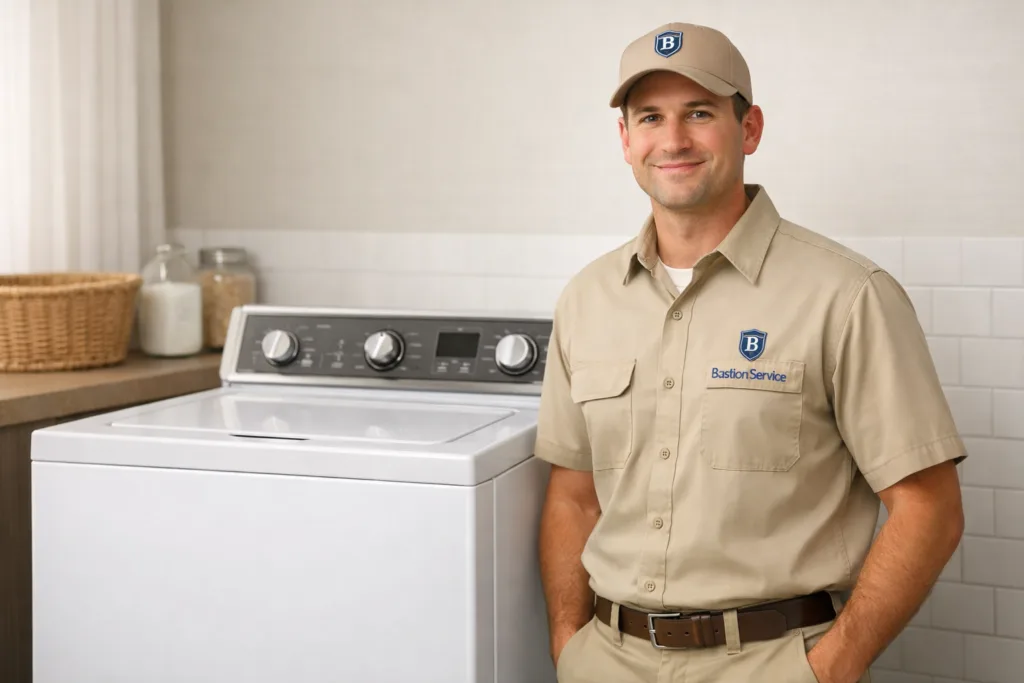





Laundry problems rarely stay minor for long. A Speed Queen washer that leaves clothing soaked or a dryer that suddenly needs two cycles can quickly interrupt the routine in a busy household. The most useful next step is to look at the exact symptom pattern rather than assume every drainage, heating, or noise complaint has the same cause.
How Speed Queen washer and dryer problems usually show up
Many appliance faults begin with small changes in performance. A washer may start draining more slowly, stop reaching full spin speed, or develop a light knocking sound. A dryer may still run but produce less heat, take longer to dry towels, or make a squeal that gets worse from week to week. Those details matter because they help narrow the problem to airflow, drive components, switches, pumps, heating parts, controls, or wear inside the machine.
In West Los Angeles homes, early attention often prevents a minor issue from becoming a more expensive repair. A unit that still starts does not always mean it is safe to keep using. Repeated operation with poor draining, weak spin, overheating, or loud internal noise can place extra stress on surrounding parts.
Common Speed Queen washer symptoms
Washer will not drain completely
If water remains in the tub at the end of the cycle, the issue may involve the drain pump, hose restriction, lid switch, or a control problem that interrupts the drain phase. Sometimes the machine hums without moving water, and sometimes it stops with clothing still sitting in a wet load. Either pattern points to a problem that should be checked before additional cycles are run.
When a washer repeatedly fails to drain, standing water can lead to odor, residue buildup, and extra strain on components that are trying to complete the cycle.
Clothes come out too wet after spin
A washer that drains but leaves clothing unusually heavy often has a spin-related problem rather than a simple water-removal issue. The cause can be an off-balance condition, worn drive parts, suspension wear, a lid-sensing fault, or a motor-related issue. If heavier items such as towels come out wetter than they used to, that change is worth noting.
Leaking on the floor
Leaks may appear during fill, agitation, drain, or spin, and the timing helps identify the source. Water under the front or rear of the machine can be tied to hoses, inlet connections, a pump problem, internal seals, or overfilling. Even a small recurring leak should be taken seriously, especially if the washer sits near finished flooring, baseboards, or cabinetry.
Shaking, banging, or walking
Some vibration is normal, especially with bulky loads, but hard banging is not. If the washer moves across the floor, slams during spin, or sounds unusually rough, the cause may be load balance, leveling, worn suspension parts, or internal wear. Continued use can increase damage to the tub assembly and nearby components.
Washer will not start or stops mid-cycle
When a machine is unresponsive, starts and then quits, or locks without moving into wash or spin, the fault may be electrical, mechanical, or control-related. Inconsistent behavior is often especially important to document. If the appliance fails at the same stage each time, that timing can make diagnosis much more direct.
Common Speed Queen dryer symptoms
Dryer runs but does not heat
A dryer that tumbles normally but leaves clothes damp can have a failed heating component, thermostat issue, sensor problem, restricted airflow, or power-related fault depending on the model and fuel type. This is one of the most common complaints because several different failures can create the same result from the user’s point of view.
If there is little or no heat, running the dryer again usually adds wear without solving the problem.
Drying times are getting longer
Long dry times often begin gradually. Loads that once finished in one cycle start taking two, and heavier items may stay damp in the center. Airflow restrictions are a common contributor, but weak heating performance, sensor issues, or internal wear can also be involved. The important clue is the change from normal drying behavior to slower and less consistent results.
Dryer makes squealing, scraping, or thumping noises
Noises typically point to moving parts under stress. Worn rollers, glides, idler parts, drum support issues, or objects caught where they should not be can all create distinct sounds. A light squeal may seem manageable at first, but if the noise grows louder, the repair often becomes larger if the unit keeps running.
Dryer will not start
If the controls respond but nothing happens when the cycle is started, the problem may involve the door switch, belt-related safety function, motor, or another start circuit component. If the appliance is completely dead, the issue may be tied to incoming power or an internal electrical fault. Repeated start attempts usually do not help and can make it harder to describe the original symptom clearly.
Drum will not turn
When the dryer powers on but the drum does not rotate, the cause may be a broken belt, seized support component, motor problem, or another mechanical failure. This is a situation where continued use should stop right away, especially if there is also a hot smell or unusual sound.
Signs the problem should not be ignored
Some symptoms are more urgent than others. A washer leak, repeated failure to drain, severe spin vibration, or a dryer with no heat or overheating behavior should not be treated as a minor inconvenience. These conditions can lead to water damage, accelerated wear, or a more involved breakdown.
- Water collecting under or around the washer
- Clothes repeatedly coming out much wetter than normal
- Loud banging, scraping, or rumbling during operation
- Dryer loads taking much longer than usual to finish
- A burning smell, excessive heat, or sudden shutdowns
- Intermittent starting problems that are becoming more frequent
When repair makes sense for a Speed Queen appliance
Speed Queen units are often worth evaluating carefully because many are built to handle years of regular household use. The key question is not simply whether the appliance can be repaired, but whether the repair meaningfully restores reliable day-to-day performance. A single failed component or wear item is very different from a machine with multiple major issues, structural deterioration, or repeated control failures.
For many homeowners in West Los Angeles, the decision comes down to four practical points:
- the age of the unit
- the overall condition of the appliance
- whether the problem is isolated or part of a larger pattern
- how the repair cost compares with the remaining useful life
That is why diagnosis matters before parts are chosen. Similar symptoms can point to very different repairs, and guessing often leads to wasted time and unnecessary expense.
What to note before scheduling service
A few observations from recent cycles can make the visit more efficient. It helps to know whether the issue happens every time or only with certain loads, whether the machine stops at the same point in the cycle, and whether there are any new sounds, odors, or delays. For example, “stops before spin,” “dries lightly but not fully,” or “leaks only while filling” is much more useful than simply saying the appliance is not working.
If an error code appears, writing it down exactly as shown can also help. The same is true for changes that seemed small at first, such as a dryer that started taking longer last month or a washer that recently began shaking more than usual.
Choosing the next step for washer or dryer trouble
When a Speed Queen washer or dryer is no longer performing normally, the best approach is to match the next step to the actual behavior of the machine. A leak, drainage failure, heating problem, drum issue, or new mechanical noise each points in a different direction. Looking at the symptom pattern first helps determine whether the issue appears limited, whether continued use risks further damage, and whether repair is the sensible choice for the household.
For homes in West Los Angeles, that kind of symptom-based evaluation is usually the fastest way to move from frustration to a workable solution.


