
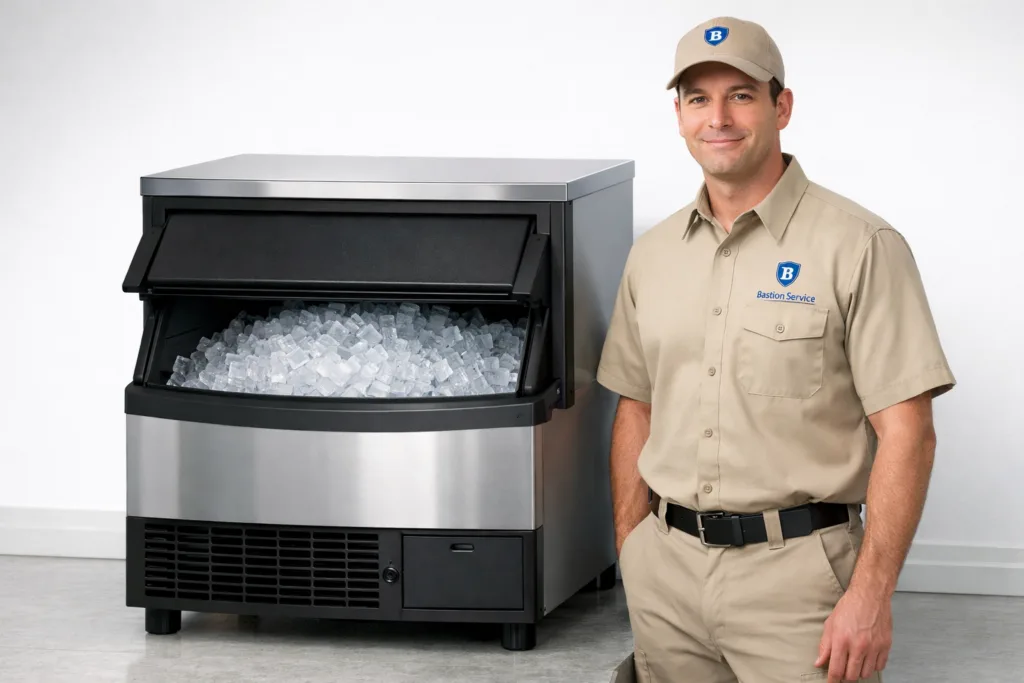




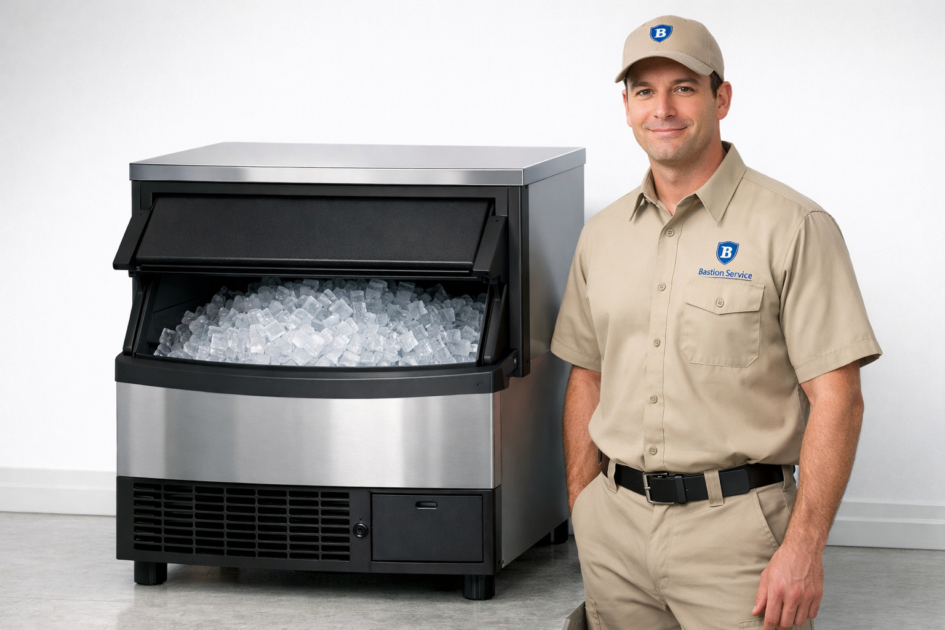
Ice machine problems can interrupt beverage service, food handling, and daily workflow faster than many teams expect. When a Scotsman unit starts underperforming, leaking, shutting down, or producing poor-quality ice, the most useful next step is service that identifies the actual fault, explains the repair options, and helps you decide whether the machine should remain in use until work is completed. For businesses in Sawtelle, that kind of symptom-based repair approach can reduce unnecessary downtime and prevent a smaller issue from turning into a more disruptive outage.
For specific equipment paths in Sawtelle, review Scotsman Ice Machine Repair in Sawtelle and Commercial Appliance Repair in Sawtelle.
Bastion Service provides Scotsman ice machine repair for Sawtelle businesses that need timely diagnosis, repair scheduling, and a realistic plan for getting production back on track. Whether the issue involves low output, water flow, harvest problems, scale buildup, or intermittent shutdowns, the goal is to match the repair to the machine’s behavior rather than guess based on one visible symptom.
Signs a Scotsman ice machine needs service
Many machines show warning signs before they stop completely. A unit may still make some ice while running longer cycles, dropping uneven batches, creating wet or cloudy cubes, or stopping at random points in the freeze and harvest process. Those patterns matter because they often point to different underlying causes, including restricted water supply, scale, drainage issues, sensor faults, condenser problems, or control failures.
Early service is often the better choice when staff are already compensating for reduced output or inconsistent operation. If the machine is no longer keeping up with normal demand, the issue is already affecting the business even if the unit has not fully shut down yet.
Why a Scotsman machine may not be making enough ice
Low production is one of the most common complaints with ice equipment. In some cases, the machine is running but taking too long to complete cycles. In others, it may produce smaller batches, stop before the bin is full, or make ice only intermittently. Common causes include restricted water flow, a malfunctioning inlet valve, scale affecting water distribution, dirty heat-exchange surfaces, or controls that are not reading conditions correctly.
Low production should not be treated as a minor inconvenience if the machine supports daily customer service. When output falls, the real question is whether the machine can still operate reliably through busy periods without forcing staff to adjust service routines. Repair service helps determine whether the problem is isolated and correctable or whether continued operation risks a full shutdown.
What slow cycles can indicate
Slow freeze or harvest cycles often suggest that the machine is struggling with heat transfer, water delivery, or system timing. Even if the unit eventually completes a batch, longer cycles can signal buildup, airflow problems, refrigeration-related faults, or control issues that will continue to reduce performance. A machine that is technically running may still need prompt attention if production volume has dropped below what the business requires.
Water flow problems, leaks, and overflow
Scotsman ice machines rely on stable fill, circulation, and drainage. When a unit leaks onto the floor, overfills, fails to fill properly, or leaves standing water inside the machine, the problem may involve a clogged drain line, restricted water path, failing pump, defective valve, or scale buildup interfering with normal movement of water through the system.
Water-related symptoms deserve quick attention because they can affect both safety and production. A leak may seem like a simple nuisance at first, but ongoing overflow can damage nearby areas, create slip hazards, and disrupt ice formation. Poor drainage can also interfere with normal cycles and lead to shutdowns that appear unrelated unless the full machine is inspected.
When to stop using the machine
If the unit is leaking heavily, overflowing into the bin area, or producing ice that does not appear usable, it is often better to pause operation until the cause is checked. Continuing to run the machine under those conditions can worsen internal wear and lead to a larger repair than the original issue required.
Harvest issues and ice release failures
A Scotsman machine that freezes water but struggles to release the ice is often dealing with a harvest problem. This may show up as partial sheets, broken cubes, ice hanging up before dropping, repeated harvest attempts, or a shutdown after several failed cycles. These symptoms can be linked to scale, sensor and control faults, water distribution issues, or system conditions that prevent proper release timing.
Harvest problems are important because they reduce output in a way that can look inconsistent from one cycle to the next. Staff may see some production and assume the machine is recovering, only to find that it locks out later or falls far behind demand. Service helps determine whether the issue is related to buildup and adjustment or whether a component has failed and needs replacement.
Scale buildup and declining ice quality
Changes in ice appearance often point to more than one possible issue. Cloudy ice, thin ice, misshapen cubes, soft cubes, unusual taste, or visible mineral deposits can all indicate scale buildup, water quality effects, restricted distribution, or operating conditions that are no longer allowing the machine to freeze and release ice correctly.
Scale is especially important because it does not usually stay confined to one area. It can affect water flow, sensing, heat transfer, and harvest performance at the same time. That is why a machine with poor ice quality may also begin showing low output, longer cycles, or intermittent faults. Service can clarify whether descaling and cleaning will restore normal operation or whether there is also a failing part behind the symptom pattern.
Random shutdowns, alarm conditions, and intermittent operation
Intermittent failures are among the hardest problems for staff to manage. The machine may restart after being reset, run normally for part of the day, then stop again without obvious warning. This kind of behavior can be caused by sensor problems, control board faults, overheating conditions, water supply interruptions, bin control issues, or protective shutdowns triggered by another system that is no longer operating within range.
From a business standpoint, intermittent operation is often more disruptive than a clean failure because it makes production unpredictable. If teams cannot count on the machine to stay online, planning around demand becomes difficult. A service visit can help identify whether the unit can safely remain in operation until repair or whether taking it offline is the better decision.
How repair decisions are usually made
Not every issue calls for major work, and not every recurring problem should be handled with another temporary fix. Repair decisions usually depend on the age and condition of the machine, the type of failure involved, signs of scale or corrosion, recent service history, and whether the expected result after repair is stable enough for daily business use.
In many cases, repair makes sense when the fault is isolated and the rest of the machine is in solid condition. Replacement becomes a more serious consideration when there are repeated major failures, multiple systems breaking down at once, or a pattern of problems that keeps the unit from supporting normal production. The value of service is not just fixing the immediate symptom, but helping the business understand what outcome is realistic after the work is done.
What to have ready before scheduling repair
It helps to note exactly how the machine is acting. Useful details include whether it is making any ice at all, whether output has dropped gradually or suddenly, whether leaks occur during fill or harvest, whether any lights or codes are showing, and whether the issue appears at certain times of day. If the machine was recently cleaned, descaled, or had filter service, that information can also help narrow the cause more quickly.
Photos of leaks, unusual ice shape, or scale buildup can also be helpful for describing the problem before the visit. The clearer the symptom history, the easier it is to move from complaint to diagnosis and repair planning without wasting time on guesswork.
Repair support for Scotsman ice machines in Sawtelle
When a Scotsman ice machine starts affecting output, quality, or reliability, scheduling service early is often the best way to protect daily operations. A repair visit should do more than address one visible issue; it should identify the cause, explain whether the machine should stay in use, and outline the next steps for restoring dependable production. For businesses in Sawtelle, that service-focused approach helps turn low ice production, leaks, shutdowns, and harvest trouble into a repair plan that fits the equipment and the urgency of the problem.


