
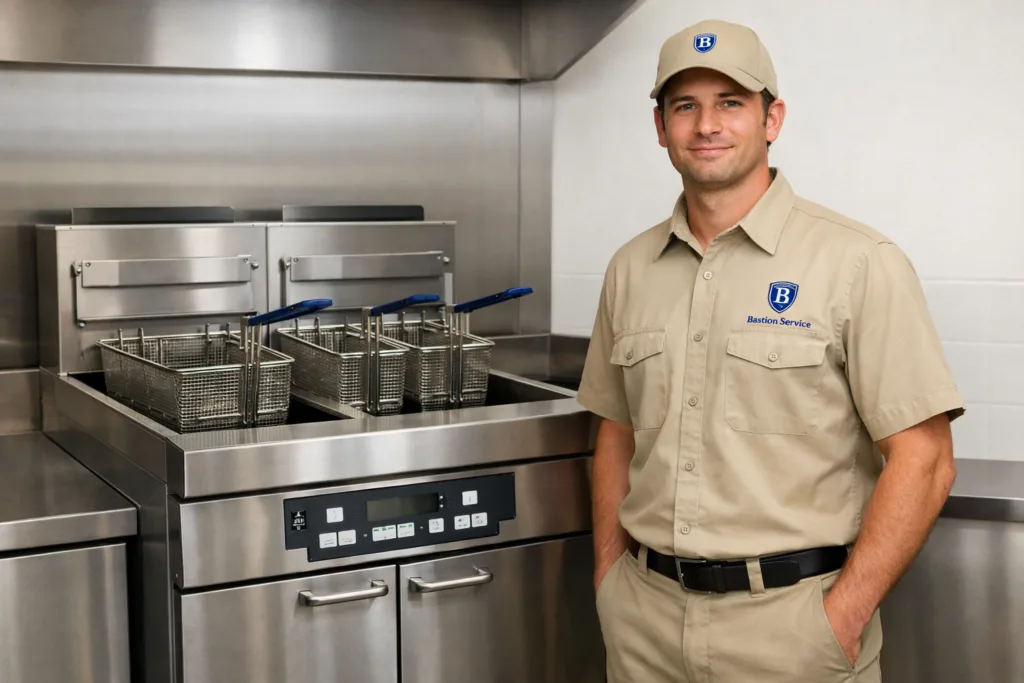




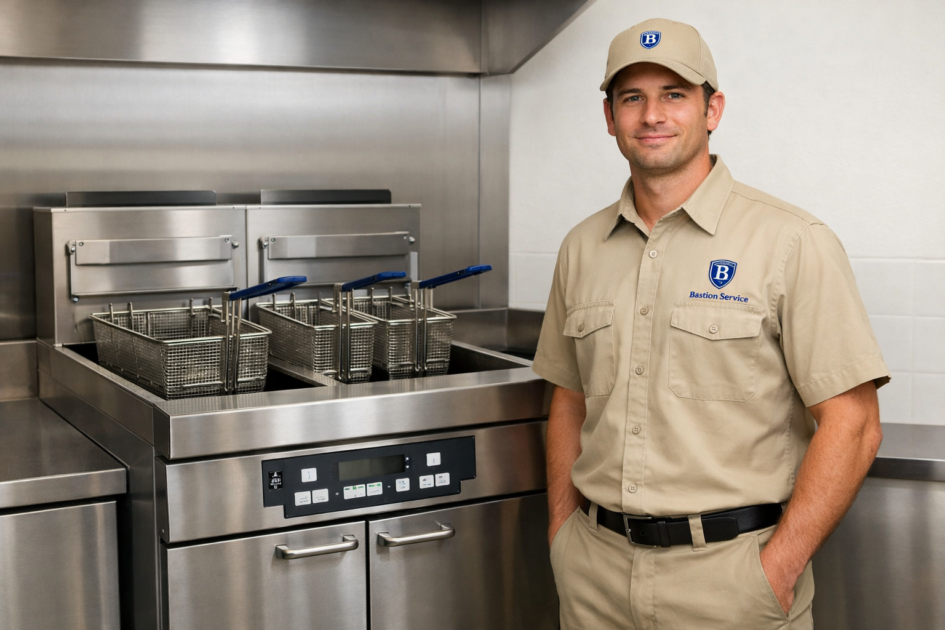
When Pitco cooking equipment begins causing delays, uneven results, or repeated shutdowns, the most important step is to identify whether the problem is limited to one repairable component or reflects a broader performance issue. For kitchens in Redondo Beach, service is often scheduled because a fryer is no longer heating consistently, is taking too long to recover during active use, or is becoming unreliable enough to disrupt production planning. Bastion Service helps businesses evaluate those symptoms, isolate the fault, and move quickly toward the right repair decision.
For specific equipment paths in Redondo Beach, review Pitco Fryer Repair in Redondo Beach and Commercial Appliance Repair in Redondo Beach.
How Pitco equipment problems usually show up in daily kitchen use
Most equipment issues do not begin with a total failure. A Pitco unit may first show smaller warning signs such as inconsistent cook times, slower heat recovery, occasional ignition trouble, unexplained lockouts, or controls that stop responding normally. These symptoms matter because they affect food quality, staffing pace, and confidence in the line. A fryer that still turns on but cannot maintain proper operating temperature can create just as much disruption as one that stops working completely.
For many businesses in Redondo Beach, the practical concern is not only what part failed, but whether the equipment can be used safely until repair is completed and how much downtime to expect. That is why symptom-based diagnosis is important. The same visible complaint can come from very different causes, including burner problems, ignition faults, sensor issues, control failures, or safety-related shutdown conditions.
Common Pitco cooking equipment symptoms that lead to repair calls
Fryer not reaching or holding temperature
If the fryer struggles to reach set temperature, swings too high or too low, or loses heat during normal batches, the issue may involve the temperature sensing system, control board behavior, burner output, or a high-limit related fault. In day-to-day operation, this often shows up as inconsistent product color, longer cook cycles, or staff compensating by changing timing from batch to batch. Those workarounds usually signal that service should be scheduled before the problem creates a larger interruption.
Slow recovery between batches
Slow recovery is one of the most common complaints with busy fryer use. After product is dropped, the oil temperature may take too long to return to the target range, leading to slower ticket flow and inconsistent results. This can point to weak heat delivery, burner performance problems, combustion-related issues, or controls that are not managing the heating cycle properly. Because slow recovery can look like a load or workflow problem at first, many kitchens benefit from having the equipment checked before the slowdown becomes routine.
Ignition problems or delayed burner startup
When the fryer hesitates to light, fails to ignite, cycles unpredictably, or locks out after startup attempts, the cause may involve ignition components, flame sensing, gas-side operation, or communication within the control sequence. These symptoms deserve prompt attention because intermittent ignition often becomes a repeated shutdown problem. If the unit only starts occasionally or must be reset often, it is already affecting reliability in a way that can interrupt service at the worst time.
Unexpected shutdowns during operation
A Pitco fryer that shuts down while in use can create immediate production issues and may also raise questions about safe continued operation. Shutdowns can be tied to overheating protection, unstable ignition, control faults, electrical interruptions, or other safety-related conditions. Intermittent shutdown behavior is especially disruptive because it makes planning difficult; the fryer may appear normal for part of the day and then drop out under load. Diagnosis helps determine whether the unit should be taken out of service and what repair path makes sense.
Control or display irregularities
Unresponsive controls, erratic temperature display behavior, error messages, or settings that do not hold correctly can indicate a problem with the control system rather than the heating assembly alone. In practical terms, control issues often lead to confusion on the line because staff cannot tell whether the fryer is actually at temperature or whether the selected settings are being followed. A service inspection helps separate display or interface faults from deeper heating and safety-circuit problems.
Burner performance concerns
If the fryer shows weak heating, uneven burner operation, abnormal cycling, or signs that heat delivery is inconsistent, burner-related faults may be involved. These problems can affect recovery, cooking consistency, and overall throughput. They are also easy to misread as general wear when the actual issue may be isolated and repairable. Identifying burner performance faults early can prevent extended downtime and reduce the chance of repeated production delays.
Why early repair matters for Redondo Beach kitchens
Waiting for a complete breakdown often costs more in lost output than addressing the problem when the symptoms first appear. A fryer that is still operating but no longer doing so consistently can increase oil waste, affect product quality, and slow service enough to create labor strain. For restaurants and other food-service businesses in Redondo Beach, small performance issues can turn into larger scheduling problems when staff begin working around unreliable equipment instead of using it normally.
Early repair evaluation also helps with planning. If the issue is isolated to ignition, temperature control, or one failing component, scheduling can often be handled more efficiently than if the fryer is left in operation until multiple systems are affected. The earlier the symptom pattern is assessed, the easier it is to make informed decisions about continued use, timing, and operational adjustments.
When continued use becomes a risk
There is a difference between equipment that is underperforming and equipment that should not remain in normal use. If a Pitco fryer repeatedly fails to ignite, cannot maintain temperature, shuts down unpredictably, or shows signs that the controls are not responding correctly, it is wise to stop relying on it for core production until it has been evaluated. Continued use in those conditions can worsen component wear and increase the chance of a more disruptive outage.
- Temperature drift that affects product consistency from one batch to the next
- Recovery times that are noticeably longer than normal during active service
- Frequent resets needed to restart the fryer
- Burners that do not cycle as expected
- Error conditions or shutdowns that return after restart
- Controls that appear active but do not regulate operation properly
These are all signs that repair should be treated as an operational priority rather than a future maintenance item.
What a service appointment is meant to clarify
A proper repair visit should do more than confirm that the equipment is having trouble. It should identify what symptom category is present, whether the problem is stable or intermittent, and whether the fryer can realistically be restored to dependable operation without repeated callback risk. That includes checking how the unit behaves under real operating conditions, not just whether it powers on.
For a business owner, kitchen manager, or operations lead, the useful outcome is clarity on questions such as:
- Is the problem related to heating, ignition, controls, or burner performance?
- Can the fryer remain in limited use, or should it be removed from production?
- Is this likely a single-fault repair or part of a larger wear pattern?
- How urgently should repair be scheduled to avoid broader downtime?
Repair decisions depend on the pattern, not just the symptom
Two fryers can show the same complaint and need very different solutions. One may have a straightforward control or ignition issue, while another may be showing combined age-related wear that affects reliability across multiple systems. That is why repair-versus-replacement decisions should be based on the actual condition of the equipment, breakdown history, and how critical the unit is to daily service.
In many cases, the visible symptom is only the starting point. A fryer that appears to have a temperature problem may actually be dealing with burner inconsistency or a control issue. One that seems to have ignition trouble may be shutting down because of a separate safety condition. Good diagnosis helps avoid guessing and keeps the repair plan aligned with real kitchen needs.
Service-focused support for Pitco fryer problems in Redondo Beach
If Pitco cooking equipment is affecting output, slowing service, or creating uncertainty during production, scheduling repair is often the most practical next step. Redondo Beach businesses rely on fryers that heat properly, recover on time, and stay stable through regular use. When those basics start to slip, a focused service assessment can identify the cause, clarify whether the unit should remain in use, and help you plan repair with less disruption to the kitchen.


