
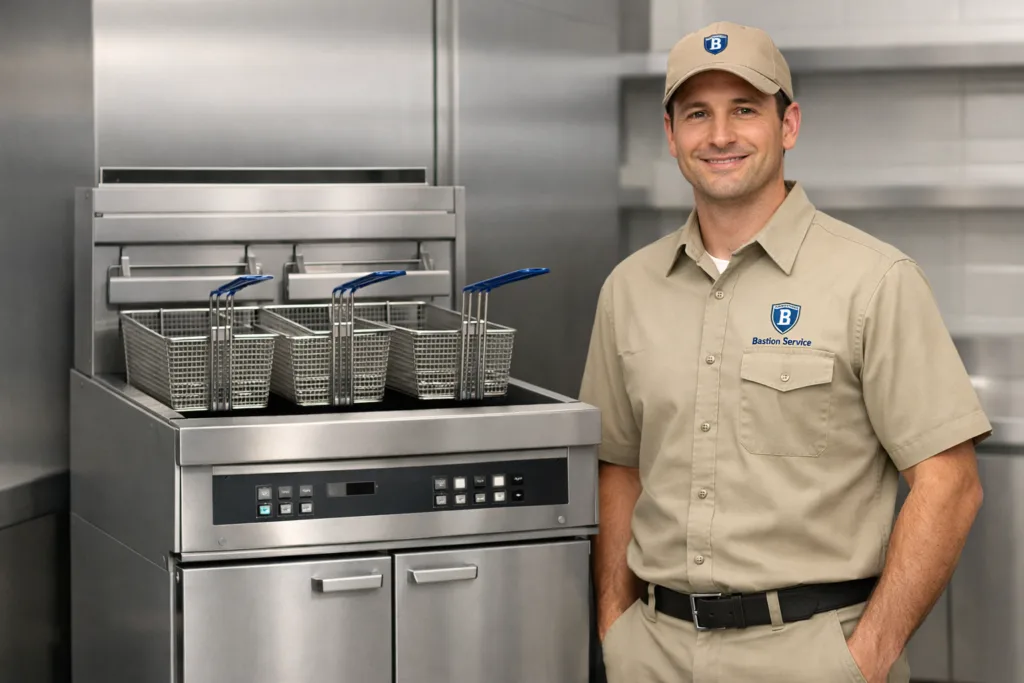




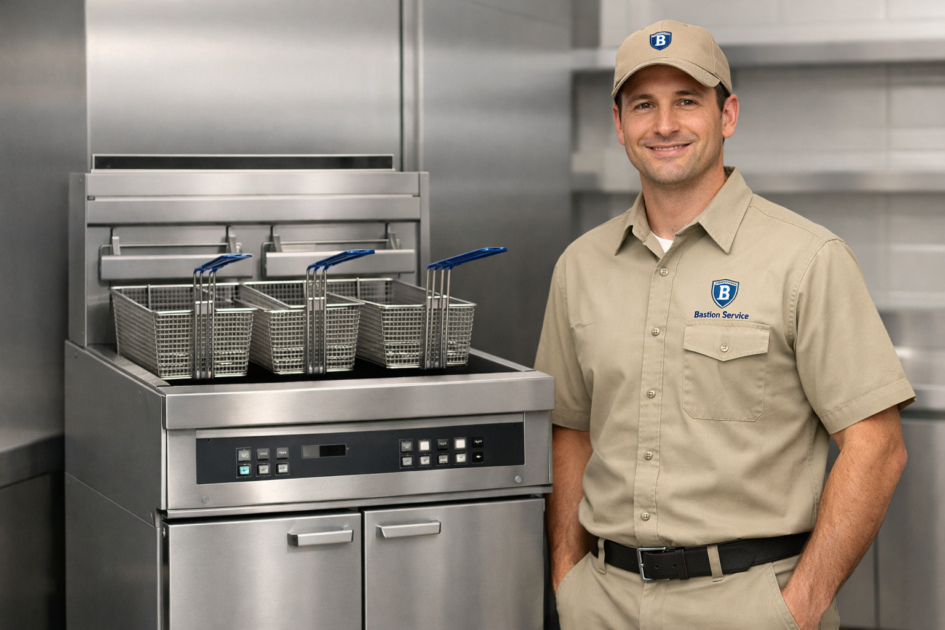
When Pitco cooking equipment begins affecting output, timing, or food consistency, service decisions usually cannot wait long. A fryer that heats unevenly, drops out during a rush, or struggles to recover between batches can slow the entire kitchen. The most useful next step is an on-site evaluation that identifies the actual fault, confirms whether the unit should stay in use, and sets a repair schedule based on how much the problem is disrupting daily operations.
For specific equipment paths in Playa Vista, review Pitco Fryer Repair in Playa Vista and Commercial Appliance Repair in Playa Vista.
For businesses in Playa Vista, repair is not just about replacing a part. It is about restoring stable cooking performance, reducing avoidable downtime, and making sure one failing unit does not create larger production delays. Bastion Service works with businesses that need symptom-based troubleshooting, repair planning, and scheduling that fits active kitchen demands.
What Pitco cooking equipment problems usually need repair attention
Pitco cooking equipment issues often show up as changes in heat performance, ignition reliability, temperature accuracy, or operating stability. Some symptoms seem minor at first, but they often point to burner, control, sensing, safety, or gas-system problems that become more disruptive if they are ignored.
Slow heating and weak recovery between batches
If the unit takes too long to reach temperature or loses too much heat during normal use, production usually suffers first. Staff may extend cook times, reduce batch sizes, or wait longer for the equipment to recover. In many cases, slow recovery is tied to burner performance, heat transfer issues, airflow restrictions, temperature sensing faults, or control problems. Testing helps determine whether the issue is isolated to one failed component or part of a broader performance decline.
Ignition failures or inconsistent burner operation
When the equipment fails to light, lights only intermittently, or loses flame during operation, service should be scheduled promptly. These symptoms can involve ignition components, flame sensing, wiring, gas delivery, safety circuits, or control faults. Repeated relighting attempts may keep the kitchen moving for a short time, but they do not solve the cause and can lead to more frequent shutdowns.
Temperature control problems
Cooking equipment that runs too hot, too cool, or swings noticeably above and below the set point becomes difficult to rely on during service. Temperature instability can affect food quality, increase oil wear, and make production harder to predict. In some cases the issue comes from a sensor or controller; in others, the problem is tied to heating performance or safety interruptions. A proper diagnosis helps separate those possibilities before unnecessary parts are replaced.
Unexpected shutdowns and reset-dependent operation
If the unit stops mid-cycle, locks out, or needs repeated resets to keep working, it should be evaluated before it is depended on for normal output. Intermittent shutdowns may point to overheating, high-limit trips, ignition loss, electrical faults, or failing controls. In a busy kitchen, an unstable unit often creates staffing workarounds and service delays long before it completely stops running.
Leaks, visible wear, or signs of unsafe operation
Any leak, unusual odor, scorched area, abnormal flame behavior, or repeated safety-related interruption deserves immediate attention. Even when the equipment still appears usable, these symptoms can indicate operating conditions that should be checked before the unit is returned to routine production. Service is especially important when staff have started avoiding certain settings or changing normal procedures to keep the equipment going.
How fryer symptoms affect kitchen performance
Fryer problems tend to spread operational impact quickly. A single unit with weak recovery or unstable heat can affect ticket flow, holding times, menu availability, and labor rhythm across the line. Businesses in Playa Vista often notice the repair need first through symptoms such as:
- Longer cook times than usual
- Inconsistent product color or texture
- Oil that seems to overheat or cool too quickly
- Frequent operator resets or relighting attempts
- Reduced batch size to avoid temperature drop
- Sudden stops during active service
These are useful warning signs because they show the problem is no longer just technical. It is already affecting output, product consistency, and daily workflow.
When to stop working around the problem and schedule service
Temporary workarounds are common, but they usually signal that repair should move higher on the priority list. If staff are adjusting cook times, checking temperatures manually, avoiding heavier use, or shifting production to other equipment, the unit is already costing time and creating risk for a bigger interruption.
Scheduling service sooner is usually the better decision when the equipment:
- Cannot maintain reliable cooking temperature
- Shows ignition problems more than once
- Shuts down unpredictably during use
- Needs frequent resets to continue operating
- Creates product quality issues during normal volume
- Shows leak-related or safety-related symptoms
Early repair can prevent a controllable issue from turning into a full shutdown during a busy shift.
What a repair visit should clarify
A useful service visit should answer more than whether one part has failed. It should establish what system is causing the symptom, whether the equipment can stay in limited use, whether there are multiple contributing faults, and how urgent the repair is based on current performance. That information helps managers plan labor, production, and downtime instead of reacting one shift at a time.
For aging equipment, diagnosis can also reveal whether the current problem is isolated or part of a pattern of wear. Repeated control faults, ongoing heat instability, and multiple failing components may change the repair decision. The goal is to base that decision on condition and operating impact rather than guesswork.
Repair planning for businesses in Playa Vista
In an active kitchen, service timing matters almost as much as the repair itself. Some problems call for immediate shutdown and fast scheduling, while others allow a short planning window before performance drops further. The right approach depends on symptom severity, production needs, and whether the unit can still operate without creating quality or safety concerns.
If your Pitco cooking equipment is showing heating issues, ignition trouble, slow recovery, control faults, leaks, or repeated shutdowns, the next practical step is to schedule diagnosis and review the repair path before downtime expands. Timely service helps businesses in Playa Vista decide whether the unit should remain in use, what repairs are actually needed, and how to return the kitchen to steady operation.


