
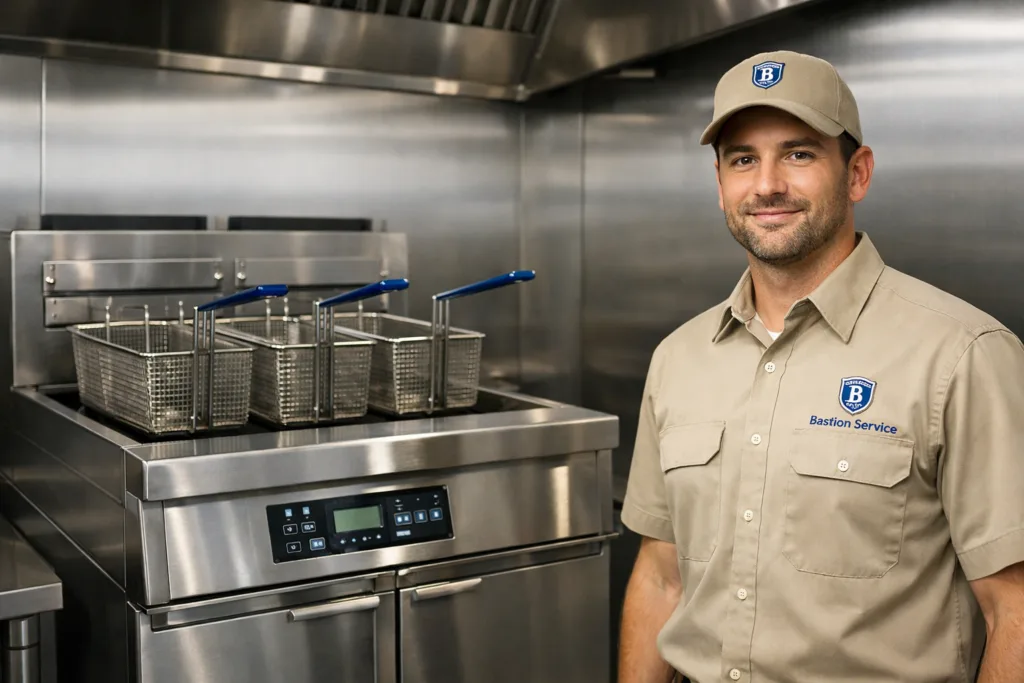




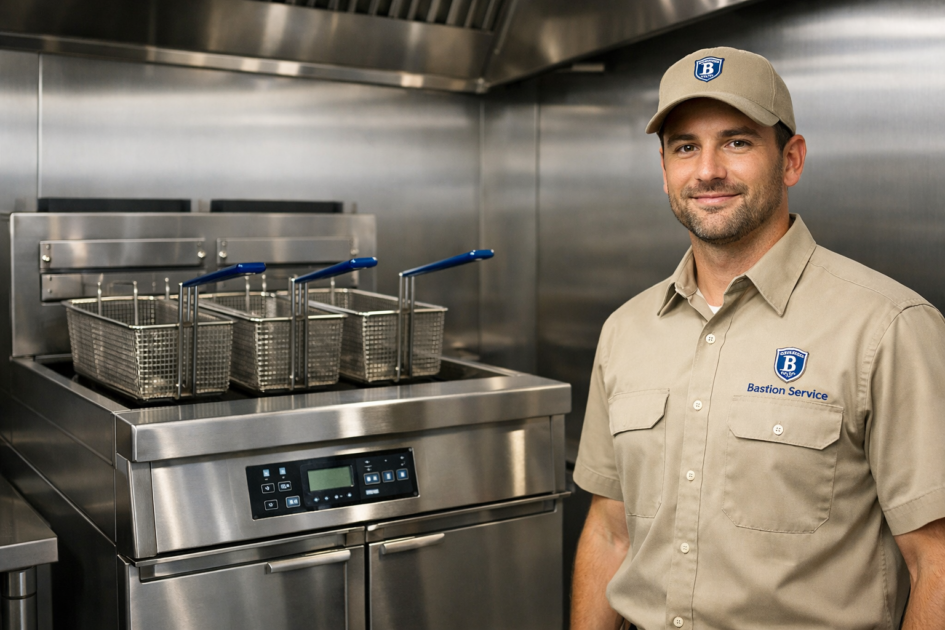
Pitco equipment is often at the center of a fast-moving kitchen, so even small performance changes can ripple into ticket delays, oil waste, and staffing pressure. When a unit begins heating unevenly, taking too long to recover, or stopping mid-shift, the most useful next step is to match the symptom pattern to the likely failure area before deciding on parts or replacement.
For specific equipment paths in Los Angeles, review Pitco Fryer Repair in Los Angeles and Commercial Appliance Repair in Los Angeles.
What Pitco cooking equipment problems do you troubleshoot?
Most service calls start with a few repeat symptom groups rather than a confirmed failed part. With Pitco cooking equipment, the issues operators notice first usually include:
- Units not heating or taking too long to reach operating temperature
- Oil temperature running too high, too low, or drifting during service
- Ignition failures, delayed lighting, or inconsistent burner operation
- Slow recovery between batches that reduces output during peak periods
- Unexpected shutdowns, safety lockouts, or restart-required interruptions
- Error conditions involving controls, sensors, or related electrical components
- Visible leaks, unusual smells, or signs that normal operation is no longer stable
These problems can come from very different causes. A temperature complaint might relate to sensing, control calibration, burner performance, gas flow, high-limit issues, or electrical interruption. A no-heat condition may be tied to ignition, safety components, power supply, or a failed control path. That is why symptom-based troubleshooting matters more than guessing from the first visible issue.
Common performance issues with Pitco fryer equipment
Fryers are the main Pitco category many food-service businesses depend on every day, and they tend to show trouble in ways that directly affect production. Some failures are obvious, while others show up as declining output over time.
Heating problems that affect consistency
If a fryer struggles to heat, overshoots the set point, or drops too far during normal use, food quality often changes before the equipment fully fails. Operators may notice longer cook times, inconsistent color, uneven batch results, or product that does not hold the same standard from one cycle to the next. In many cases, the cause is not just “bad heat” but a control, sensor, or burner-related problem affecting temperature management.
Slow recovery during rush periods
A fryer can still turn on and produce heat yet remain unfit for real service demand. Slow recovery after baskets are dropped is one of the most disruptive symptoms because it reduces throughput without creating a complete shutdown. Kitchens may compensate by spacing orders, extending fry times, or rotating around a weak vat, all of which can slow the line and increase labor strain.
Ignition and flame-related faults
Ignition issues often appear as failure to light, intermittent startup, burner instability, or a unit that tries to fire but does not stay running. These symptoms may involve flame sensing, ignition components, gas delivery, blocked burner paths, or safety devices interrupting the cycle. When ignition becomes unreliable, the problem usually moves from inconvenience to operational risk quickly.
Shutdowns and lockouts
Unexpected shutdowns are especially disruptive because they break production without warning. A fryer that trips out during service, requires repeated resets, or locks out after startup should be evaluated promptly. Shutdown behavior may be connected to overheating protection, combustion faults, control failure, or electrical instability. Continued use without resolving the source can widen the repair scope.
Signs the problem is more than normal wear
Not every service call begins with a dead unit. Often, the equipment is still operating but showing a pattern that points to worsening reliability. Businesses should pay attention when they notice:
- Repeated restarts during the same shift
- One vat performing differently from the others
- Operators adjusting cook times to compensate for heat inconsistency
- Longer preheat times than the equipment used to require
- Burner behavior that sounds or looks irregular
- Frequent temperature complaints from staff even when settings appear correct
- Leaking that was not present before
These are often early indicators that the equipment is no longer operating predictably, even if it has not yet reached complete failure.
How leaks, odors, and visible irregularities should be treated
Some symptoms deserve faster attention because they can signal a condition that should not be ignored in an active kitchen. If a Pitco unit is leaking, producing unusual odors, showing unstable flame behavior, or cycling in ways that do not match normal operation, it makes sense to stop treating the issue as minor wear. Those conditions may point to faults that affect safe operation, heat transfer, or the reliability of surrounding components.
In a busy Los Angeles kitchen, it is common for teams to work around marginal equipment for a while. The problem is that ongoing use can turn one repairable fault into several connected failures, especially when controls, burners, and safety components are all under extra stress.
Why proper troubleshooting saves time and budget
Cooking equipment failures are often symptom-based, not part-based. Replacing a thermostat because oil temperature is inconsistent will not solve the problem if the root cause is elsewhere in the control chain. Swapping ignition parts may not restore stable operation if the interruption comes from another safety or fuel-related issue.
A focused evaluation helps determine whether the unit needs adjustment, calibration, targeted component replacement, or broader corrective work. That approach reduces repeat visits, avoids unnecessary parts replacement, and gives operators a better sense of how the repair decision affects uptime.
When service should be scheduled instead of monitored
Some issues can wait for a planned service window, but others should move up the list because they directly affect output or reliability. It is usually time to schedule service when:
- The fryer no longer maintains stable temperature during normal production
- Startup becomes inconsistent or requires repeated attempts
- Recovery speed is no longer supporting normal order volume
- The equipment shuts down during service
- Staff are actively working around the unit instead of trusting it
- The same symptom keeps returning after temporary resets
Waiting for a full stoppage may seem practical, but many operators find the bigger cost is in reduced output, wasted oil, inconsistent food quality, and disruption across the line before total failure ever happens.
Repair or replacement: how businesses usually evaluate the decision
Whether to repair or replace depends on more than the immediate symptom. A good decision usually considers the overall condition of the equipment, the severity of the current failure, recent repair history, parts support, and how critical the unit is to daily production. A single isolated problem on an otherwise stable Pitco unit may make repair the obvious choice. Repeated shutdowns, compounding control issues, and declining reliability across the equipment may point to replacement planning instead.
For many operators, the right answer is the one that restores dependable kitchen flow rather than the one with the lowest short-term cost. If the unit can return to stable service with targeted work, repair may protect both budget and production. If the equipment is becoming unpredictable, replacement may reduce future disruption.
What Los Angeles operators usually need from a service visit
Businesses typically need more than a quick fix. They need to understand what is failing, whether the issue is urgent, whether the unit should remain in service, and what the next step means for staffing and output. That is especially true when fryer performance problems are affecting multiple shifts or creating inconsistent food results.
For Pitco cooking equipment repair in Los Angeles, the most helpful service outcome is one that ties the observed symptom to the actual fault and explains the repair path in business terms: what is happening, what risk it creates, and what action is most likely to restore stable operation.


