
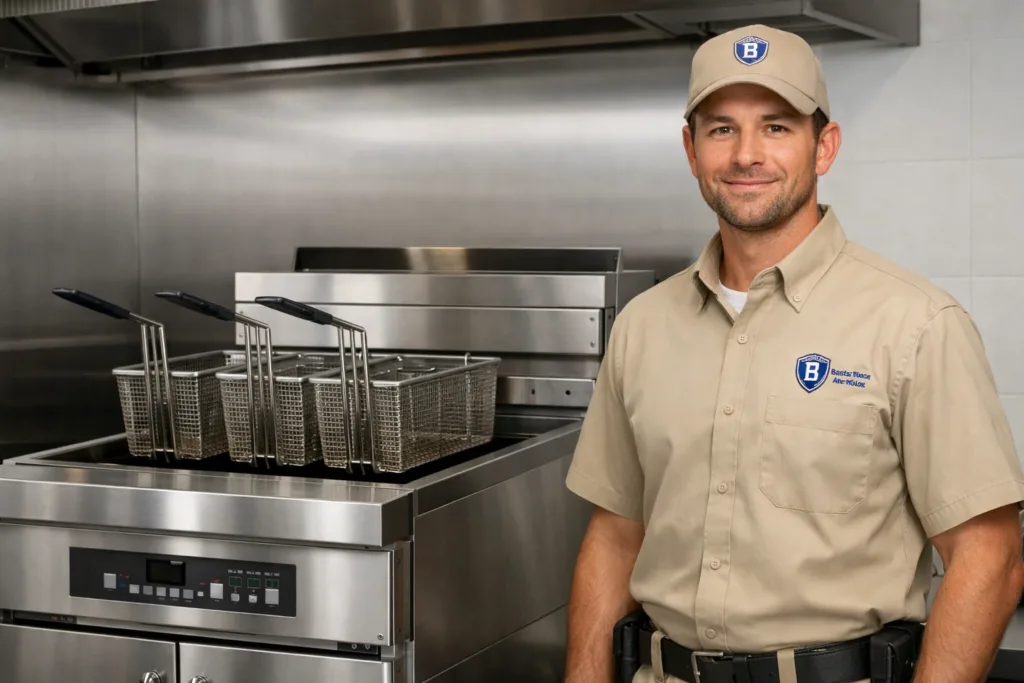




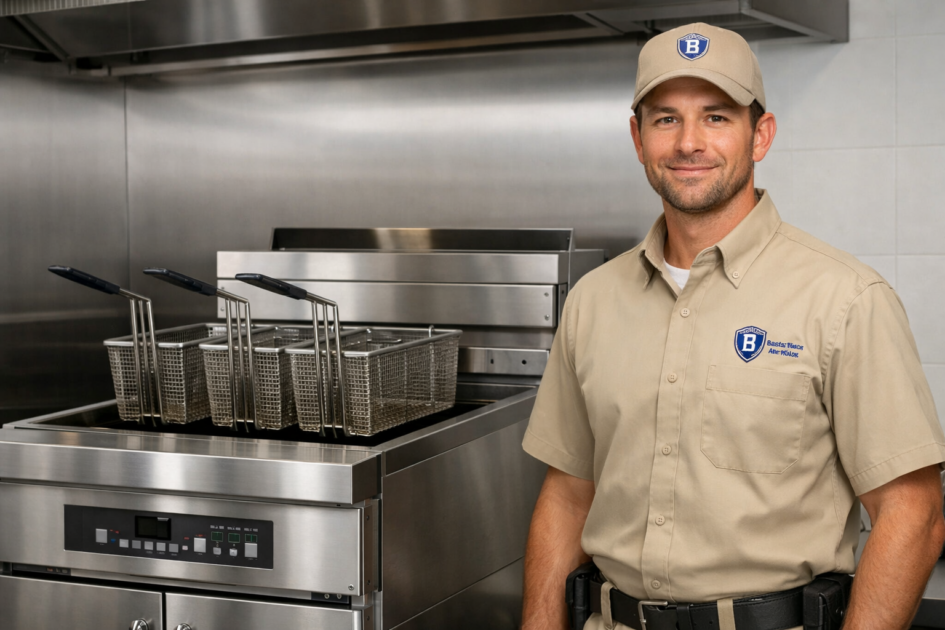
When Pitco cooking equipment starts affecting line speed, batch consistency, or daily kitchen output, the priority is to identify the actual failure and schedule repair around business needs. In Hermosa Beach, restaurants and food-service operators often need more than a basic symptom check. They need to know whether the unit can stay in limited use, whether the issue points to a control or heating fault, and how quickly repair should be scheduled to reduce downtime. Bastion Service provides Pitco equipment diagnosis and repair support for businesses that need a practical next step instead of trial-and-error decisions.
For specific equipment paths in Hermosa Beach, review Pitco Fryer Repair in Hermosa Beach and Commercial Appliance Repair in Hermosa Beach.
Pitco cooking equipment problems that usually need service
Most Pitco issues begin as performance changes before they become a complete shutdown. A fryer may still heat, but recover too slowly. Ignition may work sometimes but fail during a rush. Temperature may drift enough to affect product quality long before the unit stops running altogether. These are service issues because they usually point to developing faults in burners, controls, sensors, safety circuits, gas-related components, or high-limit protection.
For business kitchens, the repair question is not only whether the equipment powers on. It is whether it can maintain safe, repeatable performance through normal production. If staff are adjusting routines to work around one piece of equipment, that is often a sign the problem has already moved beyond simple inconvenience.
Slow heat-up and weak recovery
If a Pitco unit takes too long to reach operating temperature or falls behind between batches, service should focus on the heating system, burner performance, temperature sensing, and control response. Slow recovery often shows up as longer ticket times, uneven results, and more pressure on the rest of the line. In busy kitchens, that can quickly turn one equipment issue into a broader service-flow problem.
Ignition failures and startup trouble
When the burner does not light reliably, lights and drops out, or requires repeated restart attempts, the problem may involve ignition components, flame sensing, control sequence, or related safety shutoff functions. These symptoms should be treated seriously because unreliable startup can lead to repeated interruptions and unnecessary strain on the equipment. What appears to be an occasional startup issue can become a no-heat condition with little warning.
Temperature control faults
Temperature problems may appear as overheating, underheating, wide temperature swings, or inconsistent cooking results from batch to batch. On Pitco cooking equipment, this may point to a sensor problem, control issue, thermostat-related fault, high-limit response, or uneven burner operation. Businesses usually notice these problems first through food quality concerns, longer cook cycles, or staff needing to monitor the equipment more closely than normal.
Shutdowns during use
If the equipment shuts down in the middle of operation, trips a safety function, or enters a lockout condition, the cause may involve overheating protection, flame detection, control faults, or another interruption in the operating sequence. Mid-cycle shutdowns are especially disruptive because they affect both output and kitchen timing. If the unit can be restarted but fails again under load, that pattern is important during diagnosis.
Why fryer symptoms should be addressed early
Pitco fryer problems often escalate gradually. A fryer that still runs may already be causing slower service, inconsistent frying, and added stress on staff during peak periods. Early service helps determine whether the fault is isolated to one component or whether additional wear is affecting overall performance.
Common warning signs include:
- Longer-than-normal preheat time
- Oil temperature that drops too far during production
- Uneven browning or inconsistent cook results
- Repeated resets to keep the fryer operating
- Intermittent burner dropout
- Unexpected error behavior or shutdowns
Waiting too long can turn a manageable repair into a larger outage, especially when staff begin working around the problem instead of taking the equipment out of rotation for service.
How symptom patterns help determine the repair path
The same general complaint can come from different failures, which is why symptom details matter. For example, a fryer that heats slowly from a cold start may need a different repair than one that reaches set temperature but cannot recover between loads. A unit that shuts down only after extended use points to a different diagnostic path than one that fails immediately at startup.
Helpful details include:
- Whether the problem happens all the time or only intermittently
- Whether failure occurs during startup, preheat, or active cooking
- Whether the unit overheats, underheats, or fluctuates
- Whether the issue affects one unit or multiple pieces of line equipment
- Whether staff have noticed repeated resets, delayed ignition, or unusual cycling
This type of reporting helps narrow the source of the problem and supports better repair scheduling for kitchens trying to protect daily output.
When equipment should be taken out of use
Some issues allow for prompt scheduled repair, while others should be treated as reasons to stop using the equipment until it is inspected. That usually applies when the unit overheats, repeatedly fails ignition, shuts down unpredictably, or shows unstable temperature control. If operation depends on repeated resets or constant staff intervention, continued use can increase downtime risk and create avoidable disruption during service hours.
For managers and operators, the main question is whether the equipment is still dependable enough for real production. If not, repair should be scheduled based on business impact, not just on whether the unit can still be made to run.
Repair planning for Hermosa Beach kitchens
Repair decisions should account for more than the immediate fault. A kitchen may need to know whether the equipment can remain in limited use, whether a return visit is likely, and whether the current issue suggests broader wear in controls or heating performance. In Hermosa Beach, that matters because even partial equipment loss can affect prep timing, menu execution, and staffing efficiency.
A service visit should help answer practical questions such as:
- What component or system is most likely causing the failure
- Whether the problem is isolated or part of a larger wear pattern
- Whether continued operation creates additional risk
- How the repair timing fits around kitchen demand
That information makes it easier to decide between immediate repair, short-term scheduling, or broader planning if the equipment has multiple recurring issues.
What to prepare before scheduling service
Before booking a visit, it helps to gather the model information, a short description of the main symptom, and notes on when the failure occurs. If the issue appears only during heavy production, after preheat, or once the unit has been running for a while, that detail can significantly improve diagnosis. Staff observations about delayed ignition, poor recovery, temperature drift, or shutdown timing are also useful.
Good information at the start can shorten the time spent isolating the problem and help determine whether the equipment should stay in operation until the appointment.
Schedule Pitco equipment repair in Hermosa Beach
If Pitco cooking equipment is slowing production, missing temperature targets, or dropping out during normal use, the best next step is to schedule service based on the actual symptom pattern. For Hermosa Beach businesses, timely diagnosis helps reduce disruption, protect kitchen output, and determine whether the problem calls for immediate repair or a planned service window before downtime gets worse.


