




Premium appliances often show subtle warning signs before they stop working completely. A refrigerator may run longer than usual, an oven may drift off temperature, or a dishwasher may finish a cycle with water still sitting in the bottom. Paying attention to those changes early can help Del Rey homeowners avoid food spoilage, water damage, or a full breakdown during normal daily use.
For specific Monogram appliance paths in Del Rey, review Monogram Refrigerator Repair in Del Rey, Monogram Freezer Repair in Del Rey, and Monogram Wine Cooler Repair in Del Rey.
Start with the symptom pattern
The most useful way to evaluate a Monogram appliance problem is to look at the exact behavior, not just the appliance category. Two units can appear to have the same issue while needing very different repairs. For example, poor cooling might come from an airflow problem, a fan issue, a control fault, or a more serious sealed-system concern. A burner that will not light could be caused by an igniter problem, a switch issue, or a power-related fault depending on the model.
Helpful details include whether the problem is constant or intermittent, whether it has been getting worse, and whether other signs appeared at the same time such as unusual sounds, blinking lights, condensation, frost, or leaking. Those patterns often tell more than the symptom alone.
How common Monogram appliance problems show up at home
Refrigerators and freezers
Cooling complaints are among the most urgent because they affect food safety quickly. A Monogram refrigerator or freezer may show trouble through warm compartments, soft frozen food, frost buildup, water under drawers, loud fan noise, or a unit that seems to run nonstop without reaching the right temperature.
In some cases, the problem is tied to defrost components, door seal wear, blocked airflow, or evaporator fan trouble. In others, the issue may involve sensors, controls, or cooling-system components. If the temperature is unstable or frost is spreading inside the cabinet, it is best not to wait too long before having the unit evaluated.
Wine coolers
Wine coolers often fail more quietly than full-size refrigerators. Instead of obvious warmth, the first sign may be temperature drift, moisture on shelves, excess condensation on the door, or a cabinet that seems to cycle too often. Since steady storage conditions matter more than occasional bursts of cooling, even mild inconsistency can be a sign that service is needed.
Dishwashers
Dishwasher problems usually show up as standing water, poor wash results, leaking, repeated beeping, or a cycle that starts but does not finish normally. A drainage issue may involve the drain path, pump, filter area, or a control problem. Poor cleaning can come from spray arm restrictions, weak water movement, heating issues, or a detergent dispensing fault.
Leaks deserve prompt attention. Even a small amount of water can affect flooring, cabinet edges, and nearby finishes if it continues over multiple cycles.
Cooktops and ranges
Cooking appliances often reveal problems through burner clicking, slow ignition, uneven flame, an element that does not heat properly, or controls that respond inconsistently. Gas units may struggle with ignition components or spark-related parts, while electric units may show issues with elements, switches, wiring, or control assemblies.
If a burner keeps clicking after ignition, heats unevenly, or fails intermittently, the appliance should be checked before regular use puts additional stress on related parts. If there is a persistent gas odor, stop using the appliance and treat it as a safety issue first.
Ovens and wall ovens
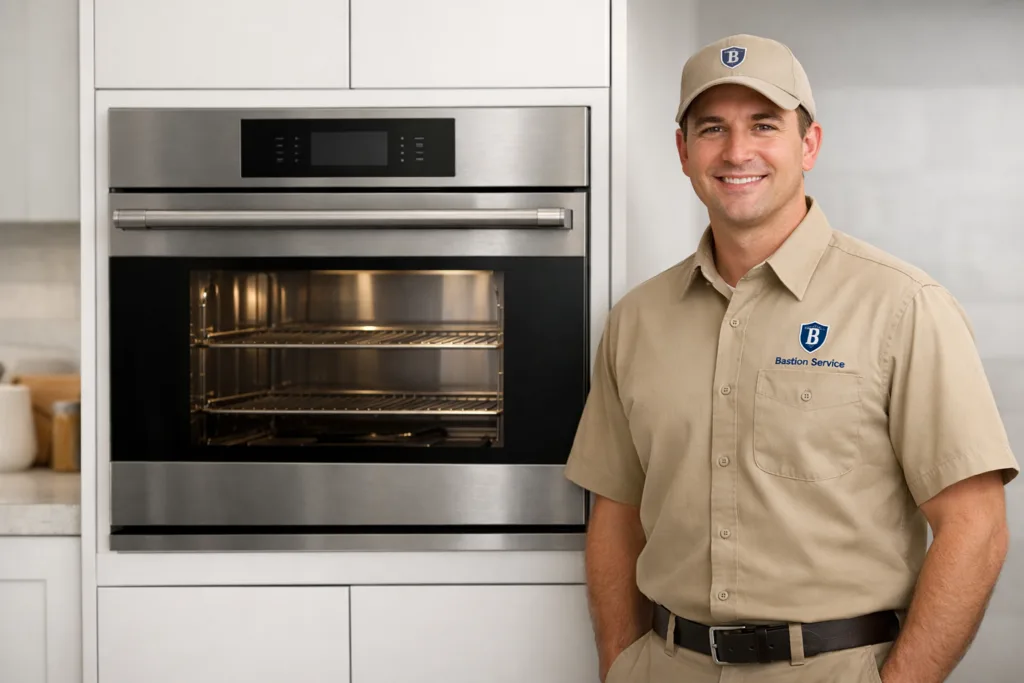
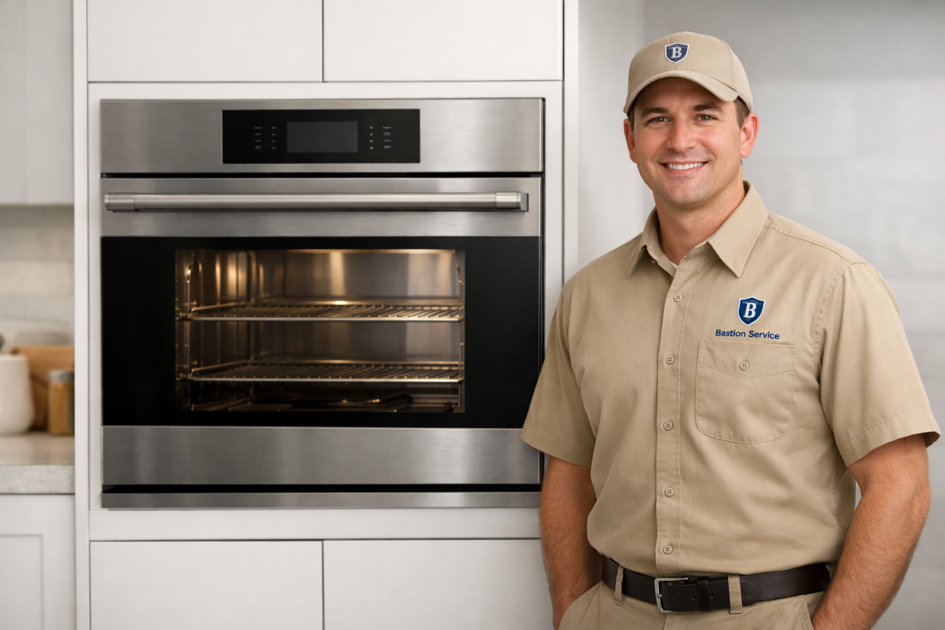
Oven trouble is often noticed when meals start cooking unevenly or take much longer than expected. Common symptoms include slow preheat, inaccurate temperature, broil failure, door latch problems, shutdowns during operation, or fault codes on the display.
These symptoms can point to heating elements, igniters, sensors, relays, controls, or door-related components depending on the design and the exact failure pattern. An oven that cannot hold temperature consistently is not just inconvenient; it can make everyday cooking unpredictable and frustrating.
What certain symptoms often indicate
New noises
A change in sound is often one of the earliest signs of trouble. Grinding, buzzing, rattling, loud humming, or repeated clicking can suggest a failing motor, fan, pump, igniter, or another moving or switching component. A sound that is new usually matters more than one the appliance has always made.
Temperature swings
When an appliance gets too hot, not hot enough, too cold, or not cold enough, the issue may involve sensors, controls, fans, airflow restrictions, or heating and cooling components. Intermittent temperature problems are especially worth noting because they may not appear during every use.
Water or moisture
Unexpected water is never something to ignore. Puddles near a dishwasher, moisture around a refrigerator door, water under crisper drawers, or condensation inside a wine cooler can all point to drainage, seal, hose, or internal component problems. Water-related issues often spread beyond the appliance itself if they continue.
Error codes and touch control problems
If the display flashes, the controls freeze, the unit beeps for no clear reason, or normal selections stop responding, the problem may be tied to the interface, control board, sensor circuit, or incoming power conditions. Resetting the appliance may temporarily change the behavior without solving the real fault.
When continued use can make the problem worse
Some faults stay inconvenient for a while before becoming urgent, but others should not be pushed. A refrigerator that is no longer holding safe temperature, a dishwasher that leaks, a freezer with heavy frost accumulation, or a cooktop with unreliable ignition can all worsen with continued use.
Even when the appliance still runs, repeated strain can lead to added wear on motors, controls, fans, and other connected components. If the unit is no longer doing its basic job reliably, it is usually time to move from observation to repair planning.
Repair or replacement: what usually matters most
Many Monogram appliance issues involve identifiable, serviceable parts and are worth repairing when the appliance is otherwise in solid condition. That is especially true when the appliance fits the kitchen well and the rest of the unit remains structurally sound.
Replacement becomes a more serious consideration when there are multiple overlapping failures, ongoing cooling-system concerns, repeated control issues, or signs of broader wear across the appliance. The key question is not simply whether a repair is possible, but whether it restores reliable everyday use in a way that makes sense for the household.
What to note before scheduling service in Del Rey
Before calling for service, it helps to write down:
- The full model number
- What the appliance is doing or not doing
- When the problem started
- Whether the issue happens every time or only sometimes
- Any related signs such as noise, odor, leaking, frost, or error codes
That information can make the visit more efficient and reduce guesswork once the appliance is inspected.
Choosing the right next step for your appliance
For Del Rey homeowners, the goal is to understand whether the problem is minor, progressive, or likely to affect safety and daily use. Monogram refrigerator, dishwasher, cooktop, oven, range, wall oven, freezer, and wine cooler problems can all look simple at first, then turn out to have very different causes once the full symptom pattern is reviewed.
A well-informed service decision starts with what you are actually seeing at home: how the appliance behaves, how long the issue has been present, and whether it is interfering with cooking, cleaning, or food storage. That is what helps turn a frustrating symptom into a sensible repair plan.


