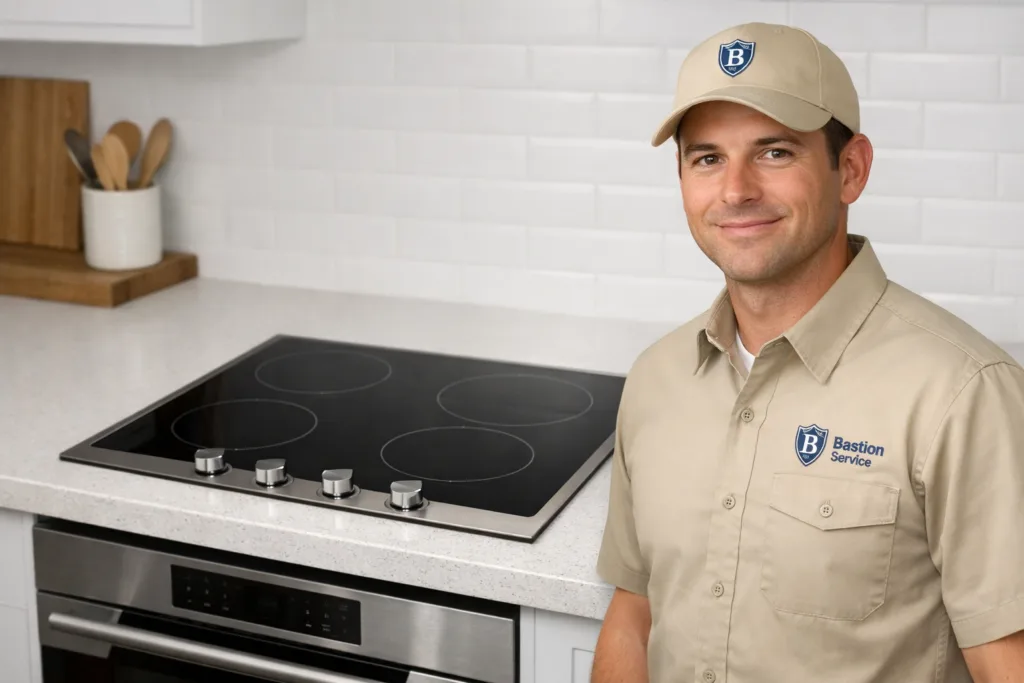
Cooktop problems are easier to solve when the symptom is matched to the right subsystem. On a Miele unit, a burner that will not heat, a gas burner that keeps clicking, or controls that stop responding may look like one issue from the outside, but each can come from a different failure point. For households in Palms, that matters because accurate testing helps avoid unnecessary parts replacement and gives a better sense of whether repair is the sensible next step.
Common Miele cooktop symptoms and what they can mean
Most service calls fall into a few patterns: heating problems, ignition problems, control faults, or visible surface damage. The details of the symptom usually help narrow the cause.
Burners not heating or heating unevenly
If one cooking zone stays cool, takes too long to respond, or cycles on and off in an unusual way, the problem may involve the element or burner assembly, a sensor, internal wiring, or the control that regulates output. On induction models, cookware detection and module faults can also affect heating performance. When only one zone is affected, the repair path is often different from a situation where several zones stop working at once.
Signs this issue should be checked soon include:
- A burner that never reaches the selected heat level
- Heat that fades during cooking
- One zone working much differently than the others
- Power levels that change without input
- Intermittent operation that is becoming more frequent
Ignition clicking, delayed lighting, or weak flame
On gas Miele cooktops, repeated clicking usually points to an ignition-related problem, but the cause is not always the same. Moisture, food debris, burner cap misalignment, igniter wear, or an issue affecting gas flow within the appliance can all create similar behavior. A burner that lights only after several tries, burns unevenly, or goes out easily should not be ignored, especially if the pattern is getting worse.
If there is a strong or persistent gas smell, stop using the cooktop and address the safety concern first. If there is no gas smell but the igniter keeps clicking or the burner is unreliable, service is still worth scheduling before the problem turns into a complete no-light condition.
Touch controls not responding or error behavior
Miele cooktops with electronic controls can develop faults that show up as beeping, flashing indicators, a locked interface, or zones that do not respond to normal input. Sometimes the problem appears only after the cooktop has been used for a while, which can point to heat-related stress on the controls or power supply. In other cases, the fault is present right away and may involve the user interface or main control system.
Intermittent control problems often progress. What starts as a delayed response or an occasional error can become a unit that will not power on correctly or will not allow settings to be changed.
Cracked glass, overheating, or sudden shutdowns
A cracked cooking surface is more than a cosmetic issue. Damage to the glass can affect safe operation and may expose the cooktop to worsening heat or moisture-related problems. Sudden shutdowns, scorch marks, or signs that a zone is overheating also deserve prompt attention. These symptoms can involve sensor faults, cooling issues, or control failures that should be evaluated before regular use continues.
Why similar symptoms can have different causes
Cooktops are a good example of why guessing can get expensive. A dead burner might be caused by the burner itself, but it could also come from a switch, a failed relay, a sensor problem, or a broader control fault. Repeated clicking on a gas model may be as simple as burner alignment, or it may require testing deeper into the ignition system. The same outward symptom does not always lead to the same repair.
That is especially true on premium appliances, where components work together closely and performance issues may show up before a part fully fails. Symptom-based testing helps determine whether the problem is isolated, spreading, or tied to a larger electrical or gas-related issue inside the cooktop.
When to stop using the cooktop until it is inspected
Some faults are mostly inconvenient. Others raise enough risk that limiting use is the better choice until the appliance can be checked. Households in Palms should be more cautious if the cooktop shows behavior that is unpredictable or suggests overheating.
- A burner remains too hot or will not regulate correctly
- The cooktop shuts off unexpectedly during normal use
- Controls fail to respond when trying to lower heat or power off
- Gas burners click repeatedly without reliable ignition
- The surface is cracked or shows heat damage
- The unit trips power or displays recurring error behavior
Continuing to use a cooktop under these conditions can sometimes stress adjacent parts and turn a smaller repair into a broader one.
Repair versus replacement: what usually makes sense
Many Miele cooktop issues are worth repairing when the problem is limited to a specific burner, ignition component, sensor, or control-related part and the rest of the appliance is in good condition. A focused repair can restore normal cooking performance without replacing the whole unit.
Replacement becomes a more realistic option when the cooktop has major glass damage, several systems are failing at once, or the expected repair path is extensive compared with the condition and age of the appliance. The useful question is not simply whether the unit can be repaired, but whether the repair is reasonable for the household’s long-term use.
Signs it is time to schedule Miele cooktop service in Palms
It is usually better to call for service when the problem is still repeatable rather than waiting for total failure. Early diagnosis can help preserve normal cooking routines and reduce the chances of a more disruptive breakdown.
Scheduling service makes sense when you notice:
- One or more zones not maintaining steady heat
- Ignition that has become slower or less reliable
- Controls that freeze, lock, or misread input
- Burners that work only some of the time
- Unexpected beeping, flashing, or shutdowns
- Visible cracks, scorching, or other surface damage
What homeowners in Palms should pay attention to before service
A few details can make the problem easier to trace. Notice whether the fault affects one burner or several, whether it happens only after the cooktop has been on for a while, and whether the issue is getting more frequent. On gas models, it also helps to note whether the clicking is constant, whether the flame is uneven, and whether the burner ignites normally after cleaning and drying.
Even simple observations like these can help distinguish between a localized burner problem and a control or power issue affecting the cooktop more broadly.
Making the next step practical
When a Miele cooktop starts acting unpredictably, the goal is to identify what failed, whether continued use is advisable, and whether the repair path makes sense for the appliance as it sits today. That gives Palms homeowners a straightforward way to decide between moving ahead with repair or planning for replacement, without relying on guesswork.