
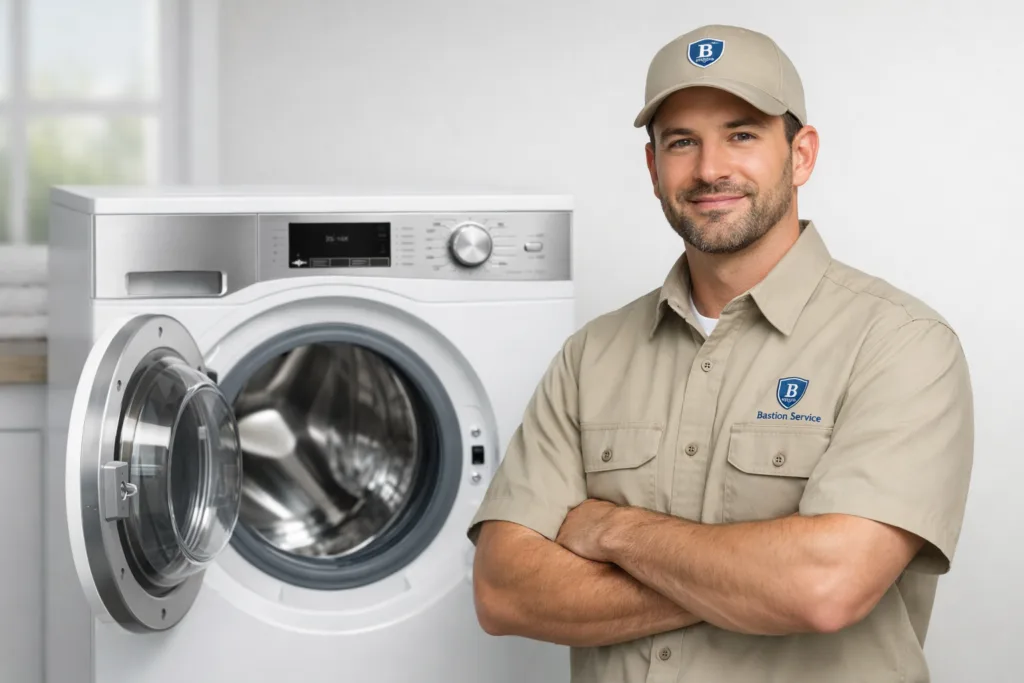




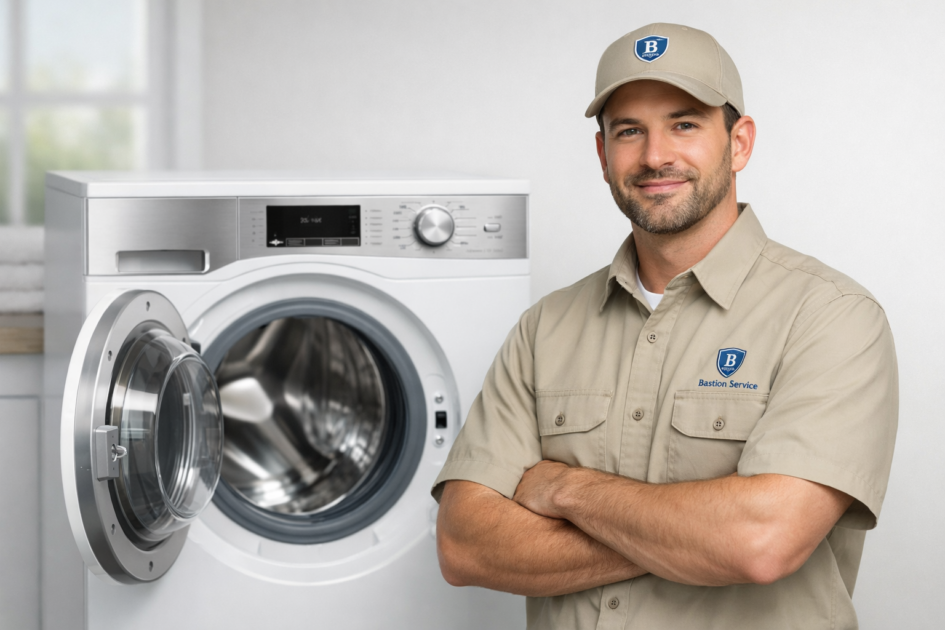
Miele appliances are designed to run quietly and consistently, so noticeable changes usually mean more than normal wear. If a refrigerator starts warming, a washer will not complete a cycle, or a cooktop begins heating unevenly, the most useful first step is to look at the symptom pattern rather than assume a single bad part. That helps determine whether the issue is minor, urgent, or likely to worsen with continued use.
For specific Miele appliance paths in Del Rey, review Miele Refrigerator Repair in Del Rey, Miele Freezer Repair in Del Rey, and Miele Wine Cooler Repair in Del Rey.
Start with what the appliance is actually doing
Many household appliance problems look similar on the surface. Poor drying can be caused by heat failure, airflow restriction, moisture-sensor trouble, or a control issue. A dishwasher that stops mid-cycle may be dealing with drainage, filling, door-latch, or circulation problems. A refrigerator that seems loud may have a fan issue, compressor strain, vibration, or an airflow obstruction. The better the symptom description, the easier it is to sort out what type of repair planning makes sense.
For homeowners in Del Rey, it helps to pay attention to three basic questions:
- Did the appliance stop working completely, or is it still running with poor results?
- Is the symptom constant, or does it come and go?
- Could continued use lead to water damage, food spoilage, overheating, or electrical stress?
Those details often matter more than the age of the appliance alone.
How common Miele refrigerator and freezer problems show up
Cooling problems usually become obvious through warmer food, soft frozen items, excess frost, water under the unit, or a machine that seems to run constantly without reaching temperature. In some cases, the cause is tied to airflow, defrost components, drain blockage, door sealing, or temperature sensing. In others, the issue may involve start components or sealed-system strain.
A freezer that develops heavy frost or a refrigerator that cools unevenly between sections should not be ignored for long. Even if the appliance is still operating, unstable temperatures can lead to food loss and put extra stress on other components.
Miele wine coolers can show a similar pattern on a smaller scale. If bottles are no longer held at a steady temperature, condensation increases, or the unit begins vibrating or humming more than usual, those are signs that the problem is beyond a cosmetic annoyance.
Dishwasher symptoms that point to more than a cleaning issue
Not every dishwasher problem starts with a breakdown. Sometimes it begins with dishes coming out cloudy, gritty, or still wet. Over time, that may turn into standing water, incomplete cycles, leaking, or repeated error messages. Common fault areas include wash circulation, drain performance, water intake, door sealing, and sensor or control problems.
If the machine is leaking onto the floor or leaving water in the tub after every cycle, waiting usually increases the chance of cabinet and flooring damage. A dishwasher that repeatedly pauses, beeps, or shuts down mid-cycle often needs more than detergent changes or filter cleaning.
Washer and dryer issues often develop in stages
A washer may begin with one small symptom, such as slower draining or extra vibration, and then develop into spin failure, door-lock trouble, odor, or water left in the drum. In front-load units especially, drainage and spin problems often overlap. What seems like a weak spin can actually start with incomplete draining, load sensing issues, or a latch problem that prevents the cycle from finishing properly.
Dryers tend to show trouble through long dry times, no heat, overheating, early shutoff, or unfamiliar sounds. Thumping can suggest support wear. Scraping can indicate something more serious. A dryer that runs but leaves clothes damp may be dealing with restricted airflow, heating failure, sensor trouble, or thermostat-related shutdowns.
If a dryer smells unusually hot or a washer is actively leaking, it is best to stop using the machine until the cause is evaluated.
Cooktop, oven, and range problems are often performance problems first
Cooking appliances do not always fail all at once. An oven may begin preheating slowly, then cook unevenly, then stop holding temperature accurately. A cooktop burner may cycle incorrectly, respond inconsistently, or fail to heat at full output. A range may develop ignition problems, repeated clicking, or controls that no longer respond the same way every time.
These symptoms can be tied to elements, sensors, relays, switches, ignition components, control faults, or wiring problems. If the appliance trips power, shows repeated errors, or heats unpredictably, that moves the issue from inconvenience to a problem worth addressing promptly.
Symptom groups that help narrow down the problem
Across different Miele appliances, most household complaints fall into a few useful categories:
- Water symptoms: leaking, pooling, no fill, or poor draining often point toward pumps, valves, hoses, seals, clogs, or level-sensing issues.
- Temperature symptoms: weak cooling, no heat, overheating, or uneven heat commonly involve sensors, elements, fans, thermostatic controls, airflow, or sealed-system components.
- Noise and movement symptoms: grinding, scraping, rattling, thumping, or excess vibration may suggest worn supports, fan parts, motors, suspension components, or loose mounting.
- Electrical and control symptoms: dead displays, intermittent operation, tripped breakers, nonresponsive buttons, or recurring error codes can stem from wiring faults, boards, switches, latches, or power-supply issues.
- Performance symptoms: long cycle times, weak washing, poor drying, partial heating, or inconsistent results usually mean the appliance is still functioning but one system is no longer doing its job correctly.
Grouping the problem this way makes it easier to decide whether you are dealing with normal maintenance, a component failure, or a condition that could damage the appliance if ignored.
When waiting usually makes the repair worse
Some problems can sit for a short time without much change. Others tend to escalate quickly. It is usually smart to schedule service sooner when you notice:
- Water leaking from a washer, dishwasher, refrigerator, or freezer
- Food compartments warming or freezer contents softening
- Burning odors, overheating, or repeated electrical interruptions
- Dryer shutoffs related to heat or airflow
- New loud noises from a motor, fan, pump, or drum
- Door-lock, latch, or seal problems that prevent normal operation
- Cooktop or oven heating that has become unreliable
- Error codes that return after a reset
Even partial operation can be misleading. An appliance that still starts but no longer finishes properly is often under strain, and that can lead to broader failure over time.
Repair or replacement depends on the fault, not just the age
With Miele appliances, repair is often worth considering when the unit is otherwise sound and the issue is concentrated in one system. Replacement becomes more likely when there are multiple major failures, repeated control-related problems, major structural damage, or cooling-system concerns combined with declining reliability.
The important question is whether the repair is likely to restore stable daily performance. A single isolated failure is very different from a pattern of breakdowns across several functions. That is why diagnosis matters before making a replacement decision based only on frustration or guesswork.
What to note before scheduling service in Del Rey
A few observations can make the next step easier. Before arranging service, try to write down:
- When the problem first appeared
- Whether the symptom is constant or intermittent
- Any error code shown on the display
- Changes in sound, temperature, draining, or cycle length
- Whether there was a recent power interruption or breaker trip
- Whether the problem affects every cycle or only certain settings
This kind of information helps separate a simple maintenance-related issue from a deeper component failure and supports a clearer diagnosis and repair plan.
Household safety comes first
If an appliance is leaking heavily, overheating, tripping power repeatedly, or producing a strong gas smell, stop using it. A persistent gas odor should be treated as a safety issue first, with the area cleared if needed and the appropriate utility or emergency response contacted before appliance service is arranged.
For less urgent but persistent problems, early attention usually gives Del Rey homeowners better options. Addressing symptoms while they are still contained can help prevent secondary damage, reduce downtime, and keep a repairable appliance from turning into a replacement decision sooner than necessary.


