




What homeowners often notice first
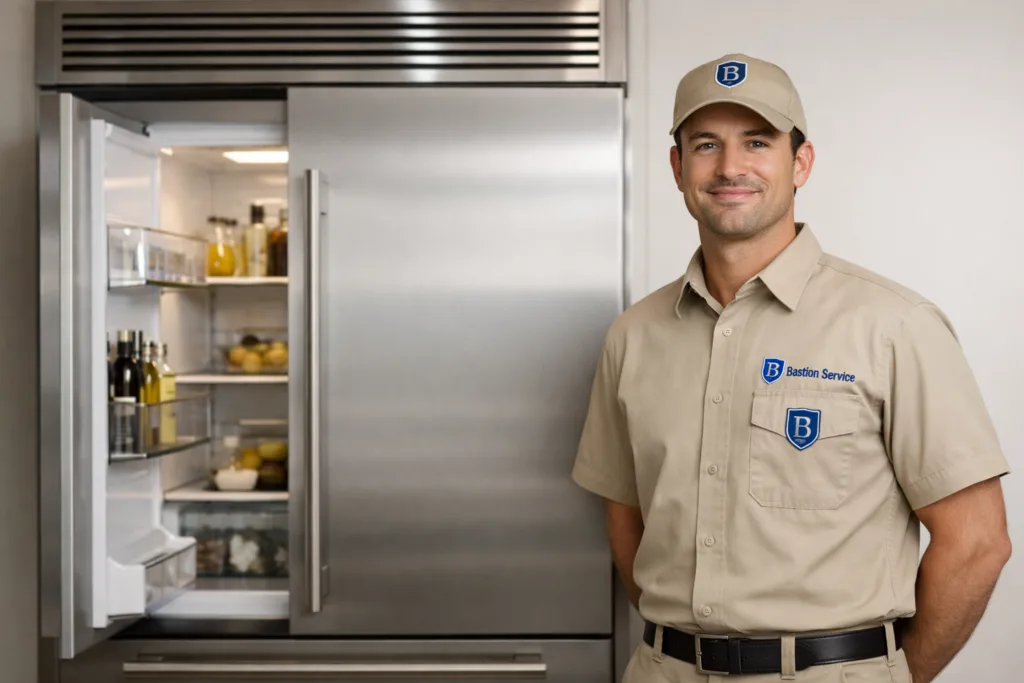
Marvel appliances are frequently installed for specialty refrigeration, entertaining spaces, and built-in convenience, so problems may begin subtly before they become disruptive. A refrigerator may seem cool enough at a glance while food warms in the back, a freezer may collect frost even though it still freezes, and a wine cooler may drift out of range without an obvious failure. In Los Angeles homes, these early changes often show up as longer run times, moisture where it was not present before, unusual fan noise, or temperatures that no longer stay steady.
For specific Marvel appliance paths in Los Angeles, review Marvel Refrigerator Repair in Los Angeles, Marvel Freezer Repair in Los Angeles, and Marvel Ice Maker Repair in Los Angeles.
Those symptoms matter because similar performance issues can come from very different causes. A door seal problem, airflow restriction, sensor fault, fan failure, drain issue, or compressor-start problem can all affect cooling in different ways. Looking at the pattern of symptoms is usually the fastest way to understand whether the issue is minor, urgent, or pointing to a larger component failure.
Marvel refrigerator and freezer problems that should not be ignored
Temperature loss is the most common concern with refrigerators and freezers, but it rarely feels the same in every case. Some units run constantly and still struggle to cool. Others cycle on and off while one section stays warmer than expected. Homeowners may also notice thawing at the top of the freezer, soft ice cream, condensation near the door, or food spoiling sooner than usual.
Common causes behind these complaints can include:
- Worn or loose door gaskets letting warm air enter
- Blocked vents or poor internal airflow
- Evaporator or condenser fan problems
- Defrost system faults leading to hidden ice buildup
- Thermostat or sensor inaccuracies
- Compressor start or relay issues
Freezers deserve special attention when frost starts building quickly or drawers become hard to open because of ice around the frame. That often points to moisture intrusion or a defrost-related problem rather than simple overfilling. If left alone, airflow can become restricted enough to affect the entire cabinet and increase strain on the cooling system.
Ice maker issues often involve more than ice production alone
A Marvel ice maker that slows down, stops making ice, leaks, or produces small or cloudy cubes may be dealing with a water supply problem, a freezing issue, scale buildup, or an internal component fault. In some homes, the first sign is not the absence of ice but a change in cube shape, a puddle nearby, or a machine that sounds active without delivering consistent batches.
When an ice maker is also running warm or showing erratic cycling, the problem may extend beyond the fill or harvest function. Water quality, inlet performance, drain conditions, and cabinet temperature all affect how reliably the unit works. That is why a symptom like “not making ice” can be simple in one case and more involved in another.
Wine cooler performance problems are usually subtle at first
Wine coolers often do not fail dramatically. Instead, they tend to show gradual instability: bottles no longer feel evenly chilled, the cabinet runs more often than before, the display reading seems normal while the interior feels warm, or the unit becomes noisier during operation. Because wine storage depends on consistency, small fluctuations can matter more than homeowners expect.
Typical issues can involve sensors, fans, ventilation limitations, worn seals, or declining cooling performance. A wine cooler that runs continuously without reaching the selected temperature should not be dismissed as normal seasonal behavior. In a built-in installation, poor ventilation around the unit can also worsen performance and make a healthy cooling system appear weaker than it is.
Noise, leaks, and condensation: what those signs may mean
Changes in sound and moisture are some of the clearest warning signs across Marvel refrigerator, freezer, ice maker, and wine cooler units. A new clicking sound may indicate a start problem. Buzzing can point to a motor or compressor issue. Rattling may come from loose components or vibration against surrounding cabinetry. A fan noise that suddenly grows louder can suggest ice interference or wear in a moving part.
Moisture-related symptoms are just as important. Homeowners may see water under the appliance, heavy condensation around the door, droplets on shelves, or frost forming in places that used to stay dry. These conditions can be tied to blocked drains, seal failure, defrost trouble, leveling problems, or temperature imbalance inside the cabinet.
When noise and moisture appear together with poor cooling, the appliance usually needs prompt attention. Those combined symptoms often indicate a problem that is affecting both performance and the long-term condition of internal components.
When using the appliance can make the problem worse
Some cooling appliances continue running even when they are no longer protecting food or operating safely. A refrigerator that cannot hold temperature may lead to spoilage. A freezer with heavy frost can lose usable airflow and push the system harder. A leaking ice maker can damage flooring or cabinetry. A wine cooler that never seems to shut off may be masking a failing part that is being overworked.
It is usually best to stop using the unit and have it assessed if you notice:
- Steady leaking rather than occasional moisture
- A burning smell or signs of electrical trouble
- Breaker trips connected to appliance operation
- Loud mechanical noise that was not present before
- Rapid temperature loss or food no longer staying cold
Continuing to run an appliance in those conditions can turn an isolated repair into a more expensive problem.
How repair-versus-replacement decisions usually make sense
For many Los Angeles homeowners, the right choice comes down to the nature of the failure rather than the brand name alone. A single fan motor issue, seal problem, sensor fault, or drain-related repair may be worth addressing if the cabinet and cooling performance history are otherwise solid. Replacement becomes a stronger consideration when there are repeat failures, substantial deterioration, chronic temperature instability, or a repair cost that approaches the practical value of the unit.
The most useful decision point is knowing what actually failed. “Not cooling” can describe anything from a blocked airflow path to a more serious system problem. Once the source is identified, it becomes much easier to judge whether the appliance still has good remaining life or whether replacement is the smarter household choice.
Helpful details to note before service
If a Marvel appliance begins acting up, a few observations can make diagnosis more efficient. Try to note whether the problem started suddenly or gradually, whether the unit is fully warm or just inconsistent, and whether unusual sounds happen constantly or only during certain cycles. It also helps to check whether doors are sealing completely and whether moisture appears inside, underneath, or around the cabinet.
For ice makers, note whether production stopped entirely or simply slowed down, and whether the cubes changed in size or clarity. For wine coolers, compare the display setting with the actual feel inside the cabinet. These details do not replace testing, but they do help narrow down whether the issue is more likely related to airflow, water delivery, controls, or cooling performance.
A household-focused approach to Marvel appliance problems
Marvel units are often chosen for convenience and specialty cooling, which makes stable performance especially important in everyday use. Whether the issue involves a refrigerator, freezer, ice maker, or wine cooler, the goal is to understand the cause of the symptom rather than only reacting to the symptom itself. That approach helps avoid unnecessary parts replacement, reduces repeat issues, and gives homeowners a more confident path forward.
Bastion Service helps homeowners in Los Angeles with Marvel appliance repair across supported cooling categories, with attention to symptom patterns, likely causes, and whether repair is the sensible next step for the appliance in its current condition.


