
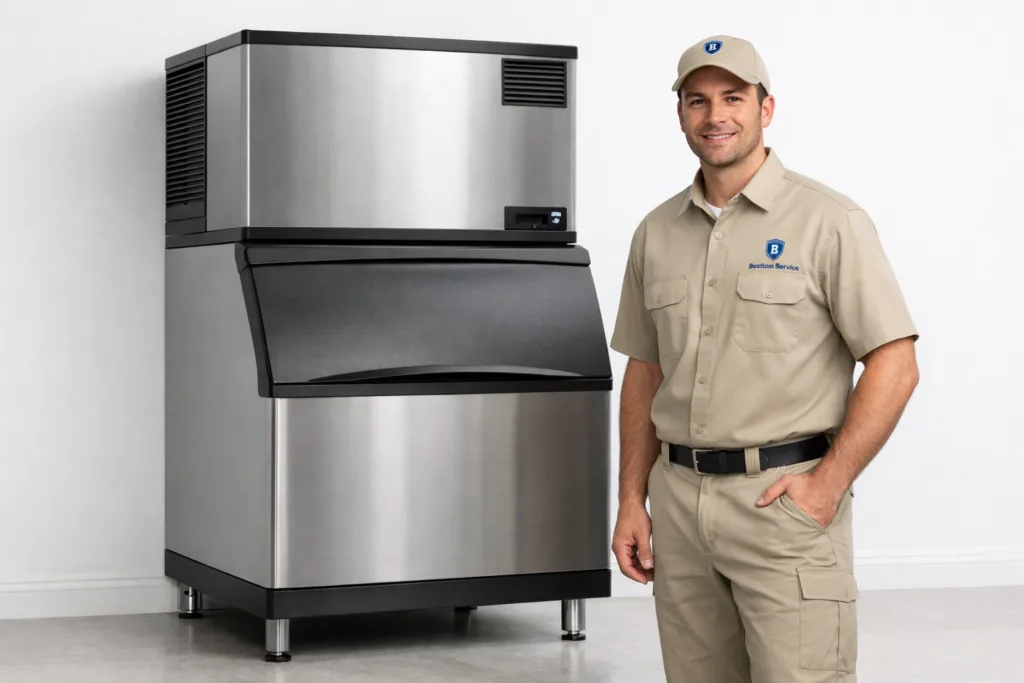




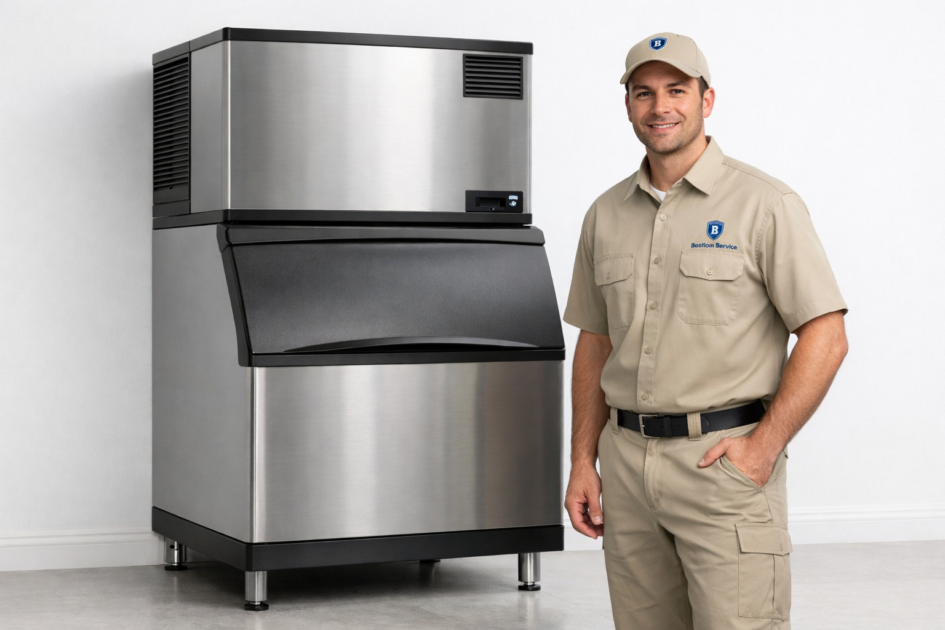
When a Manitowoc ice machine starts falling behind on production, leaking, holding water, or stopping mid-cycle, the priority is getting the symptom traced to the actual fault before downtime spreads into the rest of the day. For businesses in Rancho Park, that usually means scheduling service as soon as the machine shows repeated performance changes rather than waiting for a complete shutdown. Bastion Service helps identify whether the problem is tied to water supply, scale buildup, harvest performance, drainage, controls, or a worn component so the next repair decision is based on what the machine is actually doing.
For specific equipment paths in Rancho Park, review Manitowoc Ice Machine Repair in Rancho Park and Commercial Appliance Repair in Rancho Park.
This kind of issue affects more than ice volume alone. Low output, poor cube formation, unexpected shutdowns, and water around the unit can interrupt drink service, food prep, sanitation routines, and staff workflow. A service visit helps determine whether the machine can stay in limited use for the moment, needs prompt repair, or should be taken offline to prevent added damage.
Common Manitowoc Ice Machine Problems That Affect Daily Operations
Many machine problems begin with symptoms that seem minor at first. Staff may notice slower recovery, thin ice, partial batches, cloudy cubes, longer freeze times, or harvest cycles that do not complete normally. In other cases, the first sign is water on the floor, unusual noise, repeated resets, or a unit that runs for a while and then stops.
On Manitowoc equipment, the visible symptom does not always point directly to the failed part. Low ice production may be related to restricted water flow, mineral buildup, temperature stress, sensor issues, or a problem inside the freeze or harvest sequence. Leaks may come from tubing, internal ice formation, a drain issue, or an overflow condition. That is why symptom-based diagnosis matters before parts are replaced or the machine is pushed back into full use.
Low Ice Production or Slow Recovery
If the machine is not keeping up with demand, the cause may be developing well before the bin starts running short. Water entering too slowly, scale affecting water-contact surfaces, condenser-related heat problems, or cycle timing issues can all reduce output. Some machines continue running while producing less and less, which can make the problem easy to overlook until operations are already affected.
Typical signs include:
- Bin levels dropping faster than the machine can recover
- Long gaps between harvest cycles
- Partial sheets or incomplete batches
- Ice that appears smaller or less consistent than usual
- Staff adjusting usage because the machine no longer keeps pace
Early service is usually the better move because ongoing operation with weak water flow or heavy scale can place more strain on pumps, valves, and related components. What starts as a production complaint can turn into a larger repair if the machine is left to struggle through peak use.
Harvest Problems, Thin Ice, and Inconsistent Cubes
Harvest issues often show up as ice that sticks, breaks apart, releases unevenly, or fails to drop when expected. Thin ice, hollow-looking cubes, or inconsistent slab formation can also point to problems in freeze timing, water distribution, sensing, or mineral buildup interfering with normal operation.
These symptoms matter because the machine may still appear to be running even while cycle performance is getting worse. A Manitowoc unit with repeated harvest trouble can begin extending run times, missing batches, or shutting down to protect itself. When the same ice quality issue keeps returning, it is usually a sign that the root cause needs repair attention rather than a quick reset.
Why ice quality problems should not be ignored
Poor ice quality is not just a cosmetic complaint. It can signal water system issues, scaling inside the machine, or operating conditions that affect both production and sanitation expectations. If cubes are cloudy, misshapen, soft, or inconsistent, the machine may not be managing water flow and freezing conditions the way it should.
Water Leaks, Drain Problems, and Overflow Conditions
Water under or around an ice machine should be treated as a service issue, especially where staff traffic, surrounding equipment, and cleanup demands are involved. The source is not always visible from the outside. A leak may be tied to a loose connection, a worn hose, restricted drainage, overflow during a cycle, or ice forming where it should not be.
Common warning signs include:
- Puddles appearing near the machine after production cycles
- Water remaining inside the unit longer than normal
- Drainage that seems slow or inconsistent
- Overflow during fill or harvest activity
- Recurring leaks after staff have already cleaned the area
If leaking continues, the problem can lead to cabinet damage, slip hazards, and added wear on nearby components. A repair visit helps determine whether the issue is limited to drainage correction or whether it points to a larger operating fault inside the machine.
Scale Buildup and Water System Performance
Scale is one of the most common reasons an ice machine starts losing efficiency. Mineral accumulation can interfere with water movement, reduce heat transfer, affect sensor readings, and contribute to poor ice formation. On Manitowoc equipment, this often appears gradually as slower production, rough or cloudy ice, longer cycles, or repeated performance inconsistencies.
Businesses in Rancho Park often first notice scale-related trouble when output drops or the machine starts acting unpredictably during freeze and harvest. In some situations, cleaning and corrective service may restore proper operation. In others, the buildup has already contributed to wear on valves, probes, pumps, or additional parts. The important step is determining whether the symptom is maintenance-related, repair-related, or a combination of both.
Shutdowns, Error Conditions, and Intermittent Operation
A machine that shuts off unexpectedly, needs frequent resetting, or works only part of the day should be evaluated before it turns into full downtime. Intermittent operation often points to controls, sensors, overheating conditions, inconsistent water supply, or a recurring fault in the freeze or harvest process.
These calls are important because the machine may restart and appear normal for a short time, making it tempting to postpone service. In practice, repeated interruption usually means the unit is no longer operating within normal limits. If shutdowns are affecting workflow, ice purchasing, or staff routines, repair scheduling should happen before the problem becomes harder to manage.
When Service Should Be Scheduled
It makes sense to schedule repair when the machine shows a pattern rather than a one-time irregularity. That includes repeated low production, harvest failure, poor ice quality, leaks, scale-related decline, or shutdowns that interrupt daily use. It is also worth booking a visit when staff are compensating for weak output, changing routines around the machine, or spending time resetting it to keep it going.
Good reasons to act sooner include:
- Ice volume no longer matches normal demand
- The machine leaks more than once
- Harvest problems keep returning
- Scale is visibly affecting performance
- The unit stops during business hours or after startup
- Ice appearance or consistency changes noticeably
Waiting can allow a manageable issue to spread into added wear, longer downtime, or more complicated repair work.
Repair Versus Replacement Considerations
Not every service call points to replacement, and not every older machine should automatically receive major repair work. The better decision depends on the specific fault, the condition of the unit overall, how often it has needed service, and whether the proposed repair is likely to restore stable operation.
A diagnostic visit helps answer practical questions such as whether the problem is isolated to one failing component, whether scale or water issues have caused broader wear, and whether continued repairs are likely to keep disrupting operations. For many businesses, the key question is not simply whether the machine can run again, but whether it can return to reliable output without repeated interruptions.
What Rancho Park Businesses Can Expect From a Service Visit
For most symptom patterns, the service process starts with confirming how the machine is filling, freezing, harvesting, draining, and responding to controls. From there, the issue can be narrowed to the systems that best match the behavior being reported. That allows managers to understand the likely scope of the repair, the urgency of the problem, and whether short-term use is reasonable while service is being arranged.
If your Manitowoc unit is producing less ice, leaking, developing scale-related performance issues, failing during harvest, or shutting down in Rancho Park, the most useful next step is to book service before the problem causes wider disruption. A focused evaluation can identify the cause, outline repair options, and help you decide whether the machine should remain in limited operation, be repaired promptly, or be taken offline until the issue is resolved.


