
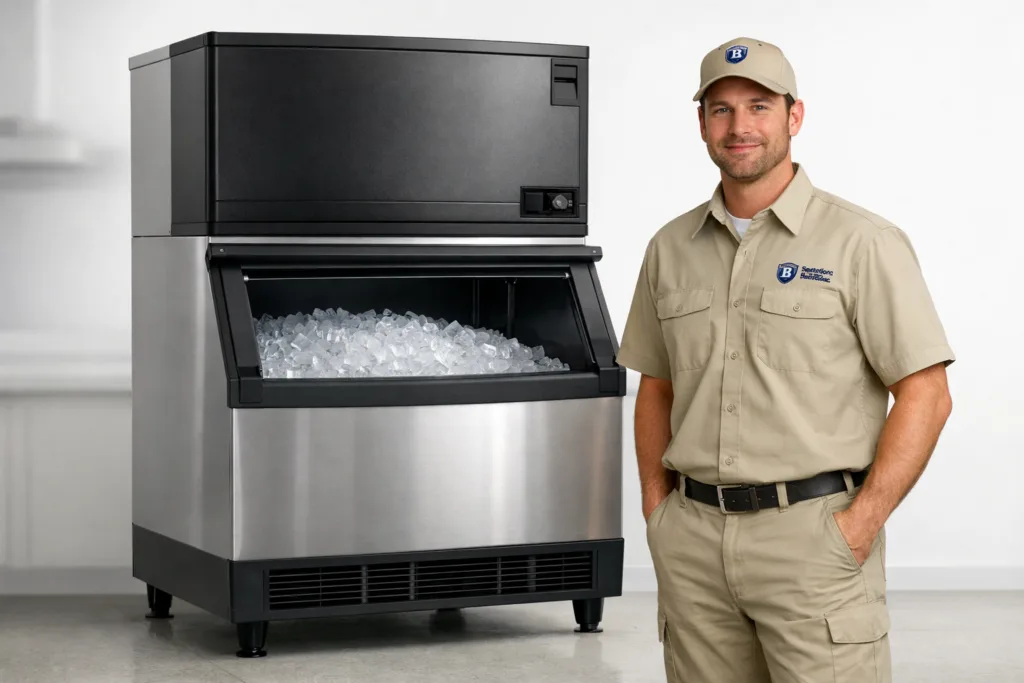




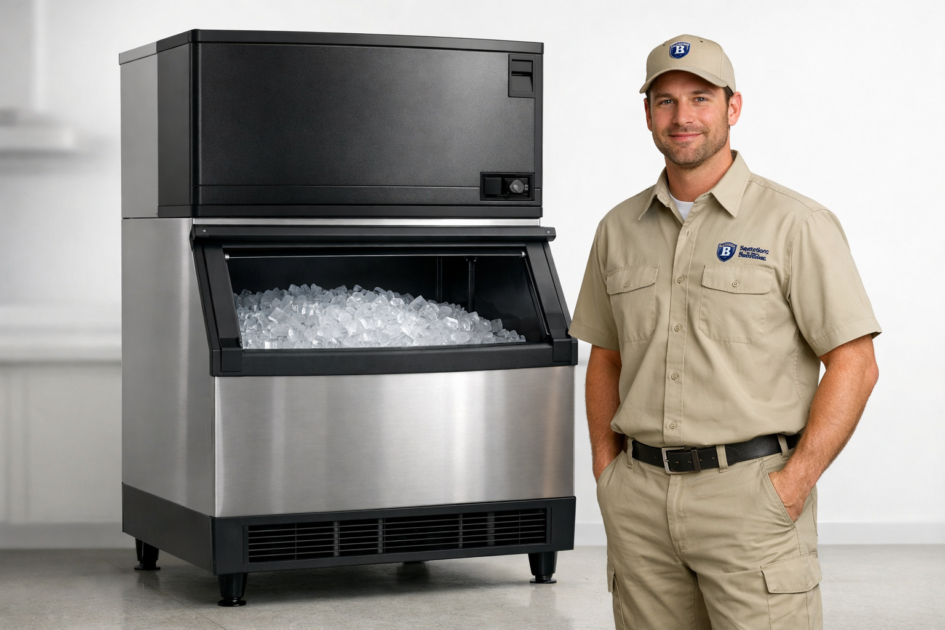
Ice machine trouble can disrupt beverage service, food prep timing, and day-to-day workflow faster than many equipment problems. When a Manitowoc unit starts falling behind on production, leaking, hanging up in harvest, or shutting itself down, timely service helps limit downtime and prevents a smaller issue from turning into a bigger repair. For businesses in Rancho Palos Verdes, the most useful next step is usually to schedule diagnosis based on the exact symptom pattern, operating history, and urgency of the problem.
For specific equipment paths in Rancho Palos Verdes, review Manitowoc Ice Machine Repair in Rancho Palos Verdes and Commercial Appliance Repair in Rancho Palos Verdes.
Bastion Service works with businesses in Rancho Palos Verdes to inspect Manitowoc ice machine equipment, identify the source of performance loss, and map out the repair path in a way that fits the site’s operational needs. That may mean confirming whether the machine can stay in use temporarily, whether it should be taken offline to avoid added damage, and which repair issue is most directly affecting output and reliability.
Common Manitowoc ice machine symptoms that point to repair
Many ice machine complaints sound simple at first, but the cause is not always obvious. Low production can be tied to restricted water flow, scaling, temperature-related issues, sensor problems, or failing components. A leak may come from a drain issue, overflow condition, internal water path fault, or loose connection. Because different problems can create similar results, symptom-based service is usually more effective than guessing and resetting the machine repeatedly.
Low ice production or no ice
When the bin is not filling the way it should, the machine may be struggling through freeze cycles, receiving insufficient water, or stopping before it completes normal operation. Some units continue running while producing far less ice than expected, which can make the issue look minor until service demand rises and the shortfall becomes obvious.
Repair is often the right move when:
- ice output is noticeably below normal demand
- production times have become much slower
- the machine starts and stops without completing full cycles
- the bin is not recovering fast enough during busy periods
- the unit produces no usable ice at all
Harvest problems
If ice forms but does not release correctly, the machine may be dealing with scale buildup, sensing problems, water distribution issues, or parts that are no longer performing properly. Failed or delayed harvest cycles can reduce output quickly and may place added strain on the equipment as it repeats unsuccessful attempts.
Businesses often notice harvest trouble as sheets of ice that do not drop cleanly, incomplete batches, longer cycle times, or repeated interruptions that force staff to monitor the machine more closely than they should.
Leaks, overflow, and drain issues
Water around the base of the machine should be treated as more than a nuisance. In a business setting, leaks can create slip hazards, affect surrounding surfaces, and raise concerns about sanitation and equipment exposure. The source may involve drain restrictions, overflow conditions, internal hose or connection problems, or faults that cause water to move through the unit incorrectly.
If leaking is active, it is worth deciding quickly whether the unit should remain in operation. Running a machine that is already leaking can increase cleanup, worsen surrounding damage, and complicate the final repair.
Water flow problems and why they affect performance
Stable water flow is central to consistent ice production. When flow is restricted or uneven, Manitowoc machines may produce smaller batches, create malformed ice, run longer than normal, or fail to complete cycles reliably. In some cases, the machine still makes ice, but not at the volume or quality the business expects.
Water-related performance problems may show up as:
- thin or incomplete cubes
- slow production after startup
- uneven ice formation across the evaporator
- erratic operation from one cycle to the next
- shutdowns connected to fill or timing issues
These symptoms matter because water flow trouble often overlaps with scaling, valve issues, blocked paths, or controls that are responding to abnormal operating conditions. A repair visit helps determine whether the problem is isolated or part of a larger decline in machine performance.
Ice quality issues that should not be ignored
Changes in ice appearance or consistency are often early warnings that the machine is not operating correctly. Cloudy cubes, soft or thin ice, irregular shape, or incomplete batches can point to water quality concerns, restricted flow, scale, or cycle problems that will eventually affect output as well.
Ice quality concerns are especially important when the machine is still running, because it is easy to postpone service while assuming production is “good enough.” In practice, poor ice quality frequently appears before a more obvious production or shutdown complaint. Addressing the cause early can help avoid a more disruptive failure later.
Scale buildup and gradual loss of output
Scale buildup is one of the most common reasons ice machine performance drops over time. Mineral accumulation can interfere with water movement, sensor readings, heat transfer, and harvest performance. The result may be slower batch times, poor release, inconsistent production, or repeated operating faults.
Signs that scale may be affecting the machine include:
- production that has gradually declined instead of failing all at once
- inconsistent freeze and harvest timing
- ice that changes in size or shape from batch to batch
- repeat service needs after a period of reduced performance
- shutdowns that seem to follow longer run times
Once scaling has started to affect overall operation, service may need to address both buildup and any components that have been stressed by operating under restricted conditions.
Unexpected shutdowns and intermittent operation
A machine that shuts off without warning or works inconsistently from day to day can be harder to manage than one that fails completely. Intermittent faults disrupt planning, leave staff unsure whether the next batch will finish, and make it difficult to rely on the machine during peak periods.
Shutdown complaints may relate to sensors, controls, water issues, operating safeties, airflow conditions, or electrical faults. Because these problems can appear and disappear, they are often misread as temporary glitches. If the machine is resetting itself, stopping mid-cycle, or returning to service only to fail again, diagnosis is usually more productive than repeated restarts.
When it makes sense to keep the machine running, pause use, or plan replacement
Not every issue calls for the same response. Some problems allow the machine to stay in limited use while repair is scheduled, especially if production is reduced but stable and there is no active leak or sanitation concern. Other problems justify taking the unit offline immediately, particularly when water is escaping the machine, shutdowns are frequent, or ice quality has become unreliable.
Replacement becomes part of the discussion when repair needs are recurring, output no longer matches business demand, or the unit has multiple overlapping faults affecting performance. A service assessment helps compare the current repair need against the broader condition of the equipment so the next step supports uptime rather than short-term guesswork.
What businesses in Rancho Palos Verdes should watch before service arrives
Before a repair visit, it helps to note exactly what the machine is doing and when the issue appears. Useful details include whether production dropped suddenly or gradually, whether the leak is constant or intermittent, whether the machine is failing during freeze or harvest, and whether the shutdown happens at predictable times. This kind of symptom history can make diagnosis more efficient and help determine the most likely repair path.
If the machine is creating standing water, producing poor-quality ice, or repeatedly stopping during operation, it is often worth limiting use until the issue is inspected. That step can reduce the chance of added wear, product-quality concerns, and cleanup problems around the installation area.
Scheduling Manitowoc ice machine repair in Rancho Palos Verdes
When a Manitowoc machine is losing output, struggling with water flow, leaking, building scale, failing to harvest, or shutting down unexpectedly, service should focus on restoring reliable operation as quickly as possible. For businesses in Rancho Palos Verdes, scheduling repair is the practical next step when the machine is no longer supporting normal demand or is creating risk around the unit. A service visit can confirm the fault, outline the repair decision, and help you determine whether the machine should stay in operation or remain offline until repairs are completed.


