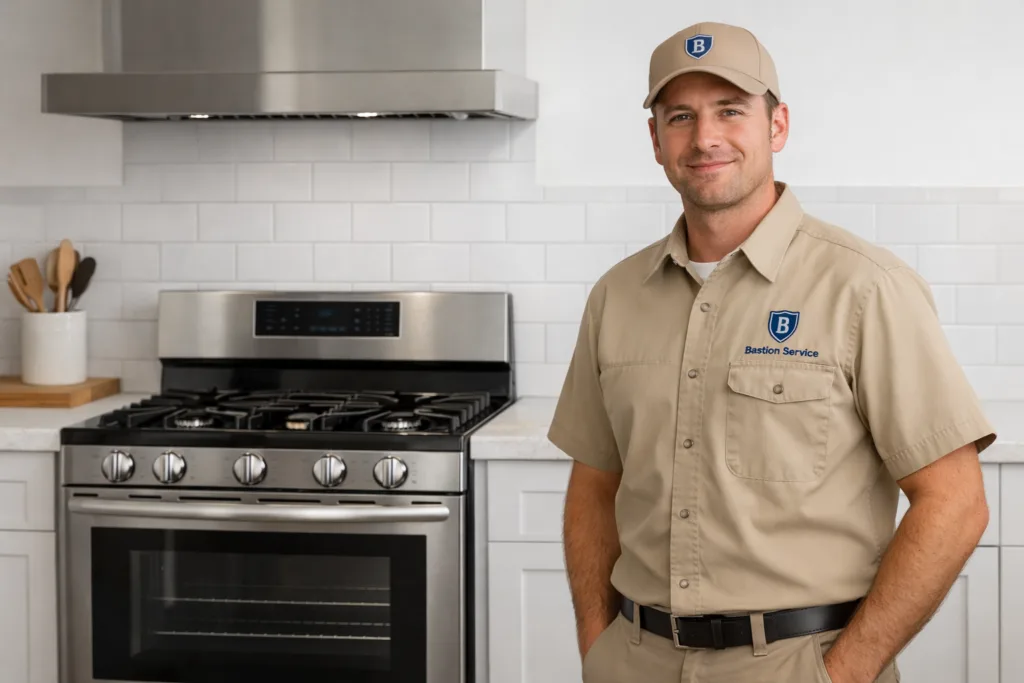
Common LG Range Problems in Inglewood Homes

Range problems rarely stay limited to a small inconvenience. A burner that clicks but does not light can slow down everyday meals, while an oven that runs cool or hot can ruin baking results without much warning. With LG ranges, the same symptom may come from different failed parts, so it helps to look at how the problem shows up during normal use.
Burners that will not ignite or heat correctly
On gas models, one of the most common complaints is repeated clicking, delayed ignition, or a burner that lights unevenly. Sometimes the issue is as simple as a misaligned burner cap or blocked ports. In other cases, the fault may involve the igniter, spark module, switch, or a wiring problem affecting reliable ignition.
On electric models, a surface element that stays too low, overheats, or does not respond to the setting can point to a failing element, an infinite switch issue, or a control problem. If the burner behavior changes from day to day, that usually suggests the problem is progressing rather than resolving on its own.
Oven not reaching or holding temperature
If the oven takes too long to preheat, struggles to reach the selected temperature, or cycles in a way that leaves food undercooked, the problem may involve the bake element, igniter, sensor, thermal protection components, or the main control. What homeowners notice first is often uneven browning, longer cook times, or recipes that suddenly stop turning out the way they should.
Temperature complaints are especially frustrating because the display may look normal even when the heat inside the cavity is not. That is why symptom-based testing matters more than assuming the displayed setting matches actual performance.
Uneven baking and temperature swings
Some LG ranges still heat, but not consistently. Cookies may brown faster on one side, casseroles may stay cold in the center, or the oven may seem fine one week and unreliable the next. These patterns can come from sensor drift, intermittent relay failure, weak heating output, or a control issue affecting how the unit cycles on and off.
When temperature fluctuation becomes a regular pattern, continued use can place extra strain on heating components and make the repair path more involved.
Control panel and display problems
An unresponsive keypad, blank display, random beeping, or settings that change unexpectedly can affect both oven and cooktop operation depending on the model. These issues may be tied to the user interface, control board, power supply, or damaged connections. If the appliance powers on only intermittently, shuts off during cooking, or shows irregular behavior after startup, the fault should be checked before relying on the range for daily use.
Symptoms That Usually Mean Service Is Needed
- Burners click repeatedly without lighting
- Gas ignition feels delayed or inconsistent
- Electric elements do not match the selected heat level
- Oven preheat takes much longer than it used to
- Food bakes unevenly from front to back or rack to rack
- The display is blank, dim, or not responding correctly
- The range shuts off unexpectedly during use
- Error behavior appears along with heating or ignition trouble
These symptoms often seem manageable at first, but they usually point to a part or control issue that will not improve with normal use. Waiting too long can lead to more wear, especially when the appliance is repeatedly trying and failing to ignite or maintain heat.
Why Accurate Diagnosis Matters
Range repairs are not always straightforward because overlapping symptoms are common. An oven that does not heat may appear to have a bad element, yet the actual cause could be a sensor problem, failed relay, igniter issue, or interrupted power path. A burner that seems defective may really be dealing with a switch failure or ignition fault.
For homeowners in Inglewood, the most useful repair visit is one that identifies the failed part based on how the appliance behaves under normal cooking conditions. That reduces guesswork, helps avoid unnecessary part replacement, and makes it easier to decide whether the repair is worthwhile.
When It Is Better to Stop Using the Range
Some problems should not be pushed through for the sake of convenience. If a gas burner keeps clicking without lighting properly, if the oven overheats, or if the controls behave unpredictably, regular use can create more than just cooking frustration. Repeated failed ignition attempts can wear ignition components faster, and unstable oven temperature can stress elements, relays, and sensors.
If the unit trips power, smells unusual during operation, shows visible sparking, or cannot regulate heat reliably, it is generally best to stop using it until the cause is identified.
Repair or Replace: What Usually Makes Sense
Many LG range problems are repairable when the issue is limited to a serviceable component such as an igniter, burner switch, element, temperature sensor, or control-related part. In those situations, repair is often the more sensible option, especially if the appliance is otherwise in solid condition.
Replacement becomes a more serious consideration when the range has multiple unrelated failures, significant wear, recurring control issues, or a repair cost that no longer matches the age and condition of the unit. The right answer depends on the exact fault, overall reliability, and whether normal cooking performance can be restored with confidence.
What Homeowners in Inglewood Should Notice Before Scheduling Service
A few details can make the problem easier to pinpoint. It helps to note whether the issue affects one burner or several, whether it happens every time or only occasionally, and whether the problem started suddenly or gradually. For oven concerns, pay attention to preheat time, uneven browning, error behavior, and whether broil and bake functions both work as expected.
Even small changes matter. A burner that lights on the second or third try, an oven that runs a little cooler each week, or a control panel that only works after pressing buttons repeatedly can all point to a developing failure rather than a one-time glitch.
What Good LG Range Service Should Help You Decide
The goal is not just to confirm that the range has a problem. It is to determine which component is actually failing, whether the issue is isolated or part of a larger pattern, and whether repair is practical for the appliance as it sits today. That kind of evaluation is especially helpful when the range still partly works but no longer performs reliably.
For households in Inglewood, the best next step is usually one based on the actual symptom pattern: burner ignition trouble, weak or uneven oven heat, clicking that does not stop, or controls that no longer respond the way they should. Once the fault is narrowed down, the repair decision becomes much easier and far more cost-conscious.