




When a JennAir appliance begins to underperform, the most useful next step is to match the symptom to the system most likely causing it. A refrigerator that runs all day, a dishwasher that leaves water behind, or an oven that no longer bakes evenly can all have more than one possible cause. Looking at the full pattern of behavior usually leads to a faster and more sensible repair decision.
Start with the symptom pattern
JennAir appliances often show warning signs before they stop working completely. You might notice temperature drift, longer cycle times, intermittent ignition, error displays, unusual sounds, leaks, or controls that respond only some of the time. Those details matter because the same basic complaint can come from very different failures.
For example, poor refrigerator cooling may be tied to airflow, a fan motor, frost blocking circulation, a sensor issue, or a door seal that no longer closes tightly. An oven that seems too cool may have a weak igniter, a sensor problem, or a control issue rather than a failed heating component. Starting with the actual symptom pattern helps avoid replacing parts on guesswork.
Common JennAir appliance issues in Rancho Park homes
Refrigerator and freezer problems
Cooling appliances usually get attention when food stops holding temperature, frost starts building up, or the unit becomes noticeably louder. JennAir refrigerator and freezer issues often show up as:
- warm sections in the fresh food or freezer compartment
- heavy frost on the back wall or around stored items
- water collecting under drawers or on the floor
- an ice maker that stops producing consistently
- a fan noise that comes and goes
- a compressor or motor sound that seems constant
These symptoms may point to blocked airflow, defrost trouble, fan failure, drain blockage, sensor faults, or sealing problems. If temperatures are no longer stable, waiting too long can lead to spoiled food and added strain on the cooling system.
Dishwasher problems
A JennAir dishwasher may still run while doing a poor job of cleaning, draining, or drying. Homeowners often first notice cloudy dishes, standing water, a stalled cycle, or moisture around the door. Common causes can include pump issues, clogged filters, spray arm blockage, water supply problems, a worn gasket, or an electronic fault affecting cycle progression.
Not every leak means a major internal failure. In some cases, the source is a shifted seal, oversudsing, or a problem at the door edge. Still, water outside the machine should be addressed quickly to protect nearby flooring and cabinetry.
Cooktop problems
JennAir cooktops can develop problems that seem minor at first but become frustrating fast during daily use. Gas models may show repeated clicking, delayed ignition, weak flame, or burners that light unevenly. Electric models may heat too slowly, cycle unpredictably, or stay hotter than expected.
These issues can come from ignition components, switches, elements, burner assemblies, control faults, or debris interfering with normal operation. If a burner is unreliable, it is better to have the cause checked than to keep adapting your cooking around it.
Oven, wall oven, and range problems
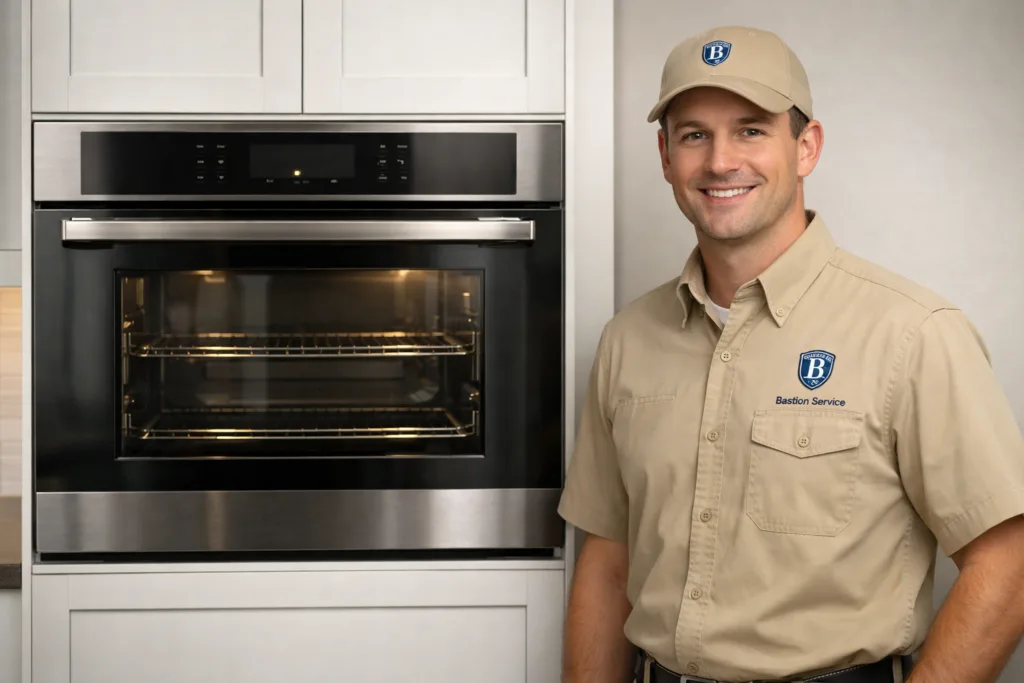
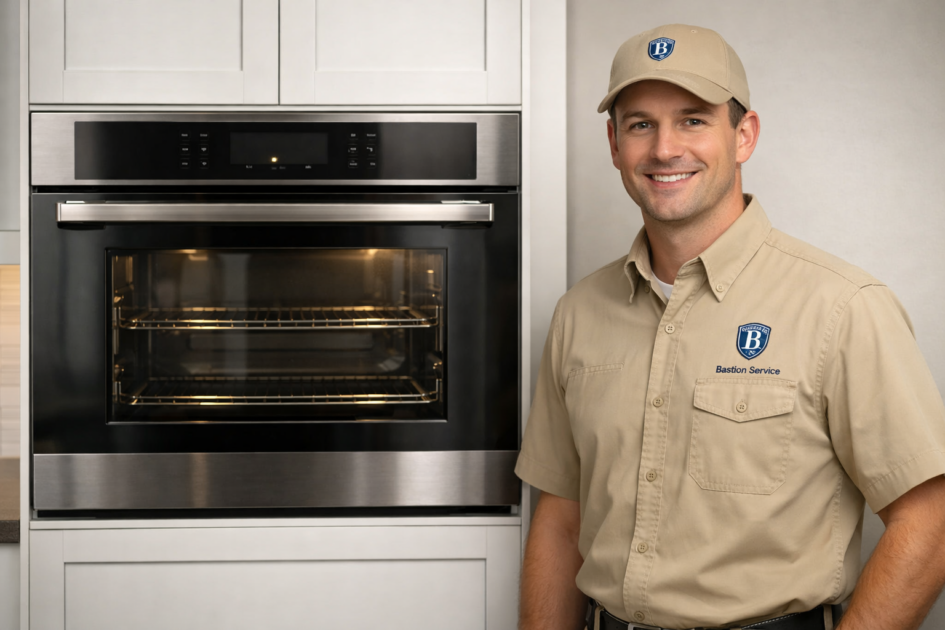
Cooking results usually reveal the problem before the appliance fully quits. A JennAir oven or wall oven may preheat slowly, bake unevenly, run too hot, run too cool, or stop heating altogether. Ranges can also show mixed symptoms, such as working surface burners but a non-heating oven, or a functioning oven paired with erratic burner behavior.
Possible causes include igniters, bake or broil elements, temperature sensors, relays, door issues, control boards, or power-related faults. If meals are coming out inconsistently from one rack to another, or if preheat times have noticeably changed, the issue is often more than simple calibration.
What specific symptoms can indicate
Unusual noises
Buzzing, rattling, grinding, squealing, or knocking usually means a moving part is wearing out, obstructed, loose, or working under strain. In a refrigerator or freezer, noise may come from a fan contacting ice or from a motor beginning to fail. In a dishwasher, grinding can indicate debris, pump trouble, or wash arm interference.
If the sound is new and repeatable, it is usually worth addressing before the appliance stops mid-cycle or loses performance completely.
Leaks and unwanted moisture
Water around a refrigerator, freezer, or dishwasher should never be ignored. Leaks can come from blocked drains, cracked lines, poor seals, loose connections, or condensation caused by airflow and sealing problems. Inside cooling appliances, excess moisture often leads to frost, odor, and inconsistent temperatures.
Because even a small leak can spread into surrounding materials, this is one of the clearest signs to stop delaying service.
Temperature inconsistency
One of the most common complaint groups across JennAir appliances is inconsistent temperature. In refrigeration equipment, that can mean food freezing in one section while another section feels warm. In cooking appliances, it may show up as undercooked centers, overbrowned edges, or a long delay reaching the selected temperature.
Temperature inconsistency often points to sensors, controls, airflow restrictions, heating components, or ignition problems. It can also be a sign that the appliance is still operating, but no longer operating accurately.
Display and control problems
Flashing codes, random beeping, buttons that stop responding, and cycles that will not start or complete can all indicate a control-side fault. Sometimes the interface itself is the issue. In other cases, the controls are reacting to another failing component elsewhere in the appliance.
That distinction matters because a display symptom does not always mean the display is the part that needs repair.
Signs it is time to schedule service
Homeowners in Rancho Park usually benefit from scheduling service when the appliance has become unreliable, the problem is getting worse, or continued use may cause secondary damage. That includes problems such as:
- cooling that no longer keeps food at a safe temperature
- standing water in a dishwasher or water on the floor
- burners that click repeatedly or fail to ignite properly
- an oven that will not maintain a usable temperature
- new noises that repeat during normal operation
- controls that require resets, retries, or workarounds
- frost buildup that keeps returning
Intermittent faults should not be dismissed just because the appliance sometimes recovers. In many cases, those early symptoms are easier to trace before the failure becomes constant.
When continued use can make the repair more expensive
Some appliance problems stay mostly stable for a short period, but many get worse with continued use. A refrigerator that runs nonstop can put extra strain on key cooling components. A dishwasher leak can damage adjacent materials. A freezer with growing frost can lose more airflow over time. An oven with a weak igniter may become progressively slower or stop heating altogether.
Cooking appliances deserve particular caution when ignition becomes unreliable. Delayed lighting, repeated clicking, or inconsistent burner behavior should be treated as a real performance issue, not a normal inconvenience.
Repair or replace?
The answer usually depends on the confirmed failure, the age of the appliance, overall condition, expected repair cost, and whether the repair is likely to restore reliable performance. Many JennAir issues involving pumps, fans, sensors, seals, igniters, latches, and selected control components are repairable when the rest of the appliance is still in solid condition.
Replacement becomes a more serious option when there are multiple unrelated problems, major system damage, or a repair cost that no longer makes sense for the appliance’s age and condition. Diagnosis first is the best way to make that decision with confidence.
What a helpful service visit should provide
A worthwhile appointment should do more than confirm that something is wrong. It should identify the likely failed system, explain whether the appliance should stay out of use, and outline the repair path in plain terms. For premium kitchen appliances, that matters because the difference between a targeted fix and an incorrect assumption can be significant.
Whether the issue involves a refrigerator, freezer, dishwasher, cooktop, oven, wall oven, or range, the goal is the same: understand what the symptoms actually mean, then choose the repair direction that best fits the appliance and the household.



