




Appliance problems are easier to solve when the symptom is described clearly instead of reduced to a guess. A JennAir refrigerator that seems too warm may be struggling with airflow, defrost, or door sealing. A wall oven that cooks unevenly may have a sensor, relay, or calibration issue rather than a simple element failure. Looking at the pattern first helps homeowners in Marina del Rey make better repair decisions and avoid replacing good parts unnecessarily.
For specific JennAir appliance paths in Marina del Rey, review JennAir Refrigerator Repair in Marina del Rey, JennAir Freezer Repair in Marina del Rey, and JennAir Dishwasher Repair in Marina del Rey.
What homeowners usually notice first
Most JennAir issues start with a change in performance that interrupts everyday use. Food does not stay cold enough, dishes come out dirty, a burner clicks repeatedly, or the oven takes longer than usual to preheat. Those early signs matter because they often point to a specific system before the appliance stops completely.
Refrigerator and freezer symptoms
Cooling problems often show up gradually. Common signs include inconsistent temperatures, frost buildup, water collecting under drawers, a freezer that softens food, or a refrigerator section that feels warmer than expected even though the freezer still seems cold. Some units may run longer than normal, while others cycle oddly or become noisier.
These symptoms can come from several different causes, including evaporator fan trouble, blocked airflow, defrost failure, a clogged drain, worn door gaskets, temperature sensing problems, or control issues. Because refrigeration problems can affect food safety quickly, it is smart to reduce door openings and monitor temperatures if cooling becomes unreliable.
Dishwasher problems that go beyond dirty dishes
A JennAir dishwasher may signal trouble through poor cleaning, cloudy glassware, standing water, leaks, unusual humming, or a cycle that stops before completion. When a machine fills but does not wash properly, the issue may involve the wash system or water distribution. When it does not drain, the problem could be tied to the drain path, pump, or related controls.
Leaks deserve quicker attention than many homeowners expect. Even a small amount of water around the door or beneath the unit can affect nearby flooring or cabinetry. If a dishwasher is repeatedly leaving water in the tub or shutting down mid-cycle, waiting usually makes the disruption worse rather than better.
Cooktop and range warning signs
Cooking appliances tend to announce problems in obvious ways: burners fail to ignite, heating is weak or uneven, the control panel stops responding normally, or a gas burner clicks over and over. Electric surface elements may cycle incorrectly, while gas burners may light inconsistently or produce an uneven flame.
Because similar symptoms can come from different faults, surface-level guessing is not very helpful. Repeated clicking, delayed ignition, or sudden changes in burner behavior should be taken seriously before routine use continues. On ranges, oven and cooktop symptoms can also overlap with control-related problems, which makes the full symptom history especially useful.
Oven and wall oven performance issues
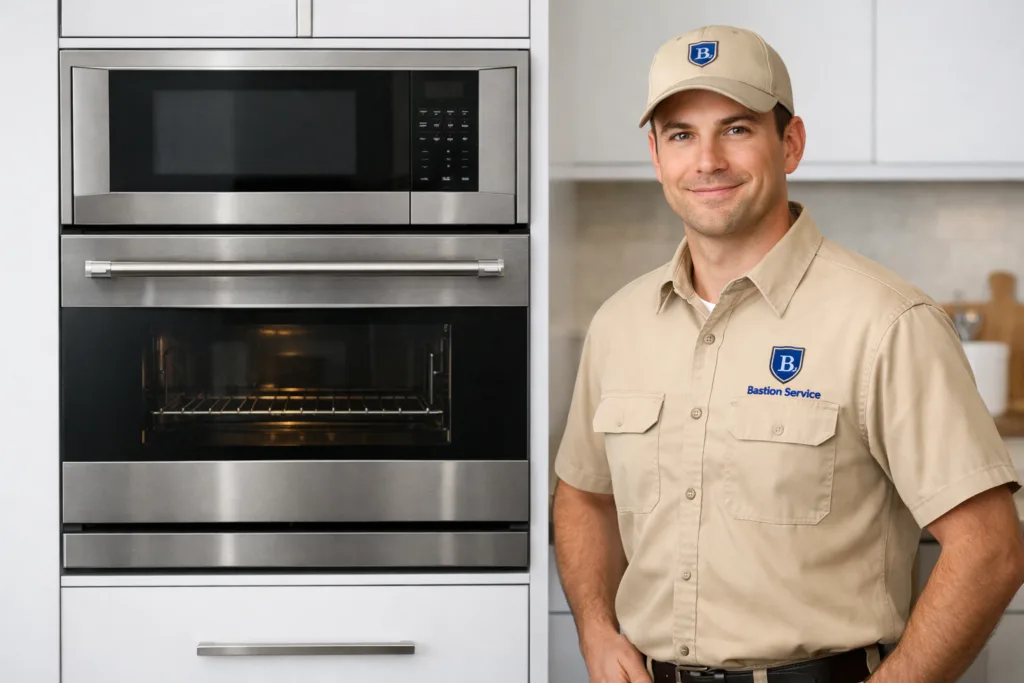
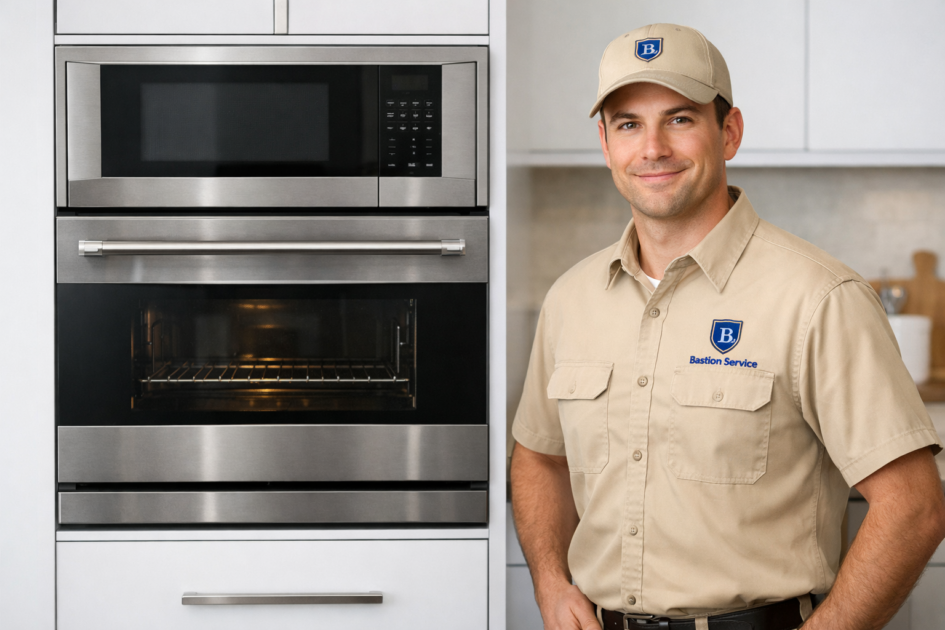
JennAir ovens and wall ovens often show trouble through slow preheating, uneven baking, inaccurate temperatures, broil failure, door problems, or electronic error displays. Some homeowners first notice that familiar recipes suddenly need extra time or come out unevenly browned.
That kind of change may point to a faulty temperature sensor, heating element, igniter, relay, or control problem. If the oven overshoots, runs cool, or shuts off unexpectedly, continued use can be frustrating and may put more strain on other components.
Why the symptom pattern matters
JennAir appliances often include model-specific controls, specialized cooling layouts, and premium cooking features. Because of that, two units can show the same outward problem while needing completely different repairs. A refrigerator running constantly is not always dealing with a sealed system failure. A dishwasher that will not start is not automatically a bad main control. An oven that heats poorly is not always down to the bake element alone.
The most useful information usually includes when the problem started, whether it is constant or intermittent, whether an error code appears, and whether there are related sounds, smells, or leaks. That combination makes it easier to narrow the cause and decide whether the issue is minor, urgent, or potentially not economical to repair.
When to schedule service promptly
Some appliance issues are inconvenient but stable for a short time. Others should be addressed sooner because delay can increase repair scope, create a safety concern, or lead to secondary damage in the home.
- Food is no longer staying at safe temperatures in the refrigerator or freezer.
- Water is leaking onto the floor from a refrigerator or dishwasher.
- A cooktop or range has repeated ignition problems or abnormal burner behavior.
- An oven or wall oven cannot maintain a predictable temperature.
- The appliance shows persistent error codes, random shutdowns, or control failure.
- Heavy frost buildup, nonstop running, or unusual noise is becoming worse.
In Marina del Rey homes, these problems tend to affect routines quickly, especially when they interrupt food storage, cleanup, or meal preparation. Scheduling service before a total breakdown is often the less disruptive choice.
How to think about repair versus replacement
Replacement is not automatically the better answer just because the appliance is premium or the symptom sounds serious. The more useful question is whether the fault is isolated, whether the appliance has otherwise been reliable, and whether the overall condition supports a sensible repair.
For example, a refrigerator with one identifiable cooling-related issue may still be a good repair candidate if the cabinet, seals, and controls are in solid shape. A dishwasher with a targeted drain or wash-system problem may be worth fixing if it has not had repeated failures. The calculation changes when an older appliance has multiple active problems, recurring electronic issues, or signs that one failure has already affected other systems.
Homeowners usually make the clearest decision by weighing five factors together:
- the confirmed fault
- the age of the appliance
- the scope of the repair
- any history of repeat breakdowns
- the current overall condition of the unit
Helpful details to note before service
A little observation can make diagnosis faster and more accurate. Before scheduling repair, it helps to write down what the appliance is doing and what changed from normal behavior. That does not mean taking the appliance apart. It simply means noting the symptom in a way that can be tested.
- When the issue started
- Whether it happens every time or only occasionally
- Any error code or flashing display
- Any unusual sound, odor, leak, or temperature change
- Whether the problem began after a power interruption, heavy use, or cleaning
That information is especially helpful with intermittent faults, which can be harder to pin down if the appliance works normally for part of the day.
Coverage across the JennAir household lineup
Brand-specific support should make sense across the appliances homeowners actually rely on every day, not just one product category. That includes refrigerators and freezers with cooling or frost issues, dishwashers with washing or draining problems, cooktops and ranges with ignition or heating trouble, and ovens or wall ovens with temperature-control concerns.
Looking at the appliance type, the exact symptom, and the way the issue has progressed usually leads to the right next step. For homeowners in Marina del Rey, the goal is not just getting the unit running again, but understanding whether the fix addresses the real cause and whether continued use is likely to create a larger problem.





