





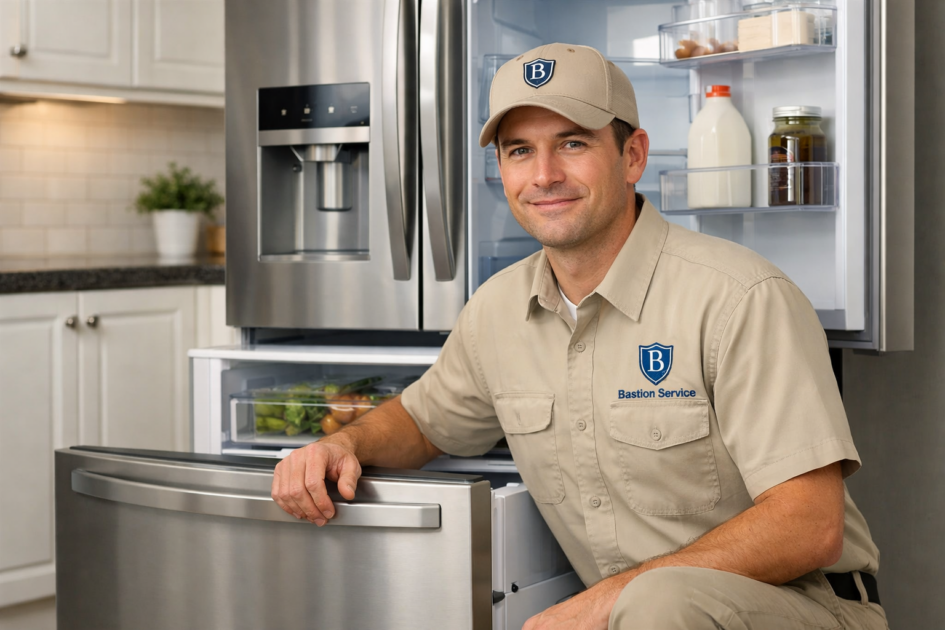
Frigidaire appliances usually give warning signs before they stop outright. A refrigerator may begin running constantly, a washer may leave clothes heavier than usual, or an oven may take longer to preheat without ever displaying a dramatic failure. Paying attention to those smaller changes can help limit food loss, water damage, repeat wash cycles, and unnecessary part swapping.
For specific Frigidaire appliance paths in Mar Vista, review Frigidaire Refrigerator Repair in Mar Vista, Frigidaire Freezer Repair in Mar Vista, and Frigidaire Washer Repair in Mar Vista.
For many Mar Vista households, the most useful way to think about appliance trouble is by symptom pattern rather than by assumed cause. The same complaint can come from very different failures, and the right next step depends on what the appliance is doing consistently, what happens only sometimes, and whether the problem is getting worse.
Start with the symptom, not the part
It is common to assume that one well-known part must be responsible for a familiar problem. In practice, that is often where repairs go off track. A refrigerator that is warming up may have a fan problem, a defrost issue, poor door sealing, airflow blockage, or a control-related fault. A washer that will not finish spinning may be dealing with drainage trouble, imbalance, a door lock issue, or worn drive components.
Symptom-based diagnosis is especially important when the appliance still works part of the time. Intermittent cooling, occasional leaks, random shutdowns, delayed ignition, and cycle interruptions usually need a closer look before anyone can say whether the repair is minor or whether broader wear is showing up across the machine.
Frigidaire refrigerator and freezer problems homeowners notice first
Food warming up, uneven temperatures, and heavy frost
Refrigerators and freezers often show problems in uneven ways. One shelf may feel cold while another section is too warm, or the freezer may seem fine while the fresh-food side struggles. That pattern can point to airflow restrictions, evaporator fan trouble, sensor problems, defrost failures, or door sealing issues that let warm air enter more often than expected.
Frost buildup is another clue worth taking seriously. A little frost can seem harmless at first, but recurring ice on interior panels, around drawers, or near vents may suggest that moisture is getting in or that the defrost system is not clearing the compartment properly. When that happens, cooling performance usually drops over time rather than all at once.
Water leaks and long run times
Water under a Frigidaire refrigerator is not always coming from the same place. It may be tied to a clogged drain path, ice-maker-related moisture, poor door closure, or condensation forming where it should not. If the unit also seems louder or runs much longer than before, the leak may be part of a larger cooling problem rather than a simple housekeeping issue.
Long run times matter because they can increase strain on fans and other components. If temperatures are drifting and the machine rarely seems to cycle off, it is usually better to stop guessing and have the fault narrowed down before food safety becomes a bigger concern.
Washer issues that affect laundry results
Not draining, not spinning, or stopping mid-cycle
A Frigidaire washer that leaves clothes soaked at the end of the cycle does not automatically need the same repair every time. Restricted drainage, a weak pump, lid or door lock failure, control problems, and load-sensing issues can all produce a similar outcome. If the basket tries to spin and stops, or if the machine pauses for long stretches and never recovers, the pattern can tell a lot about where the problem is starting.
Banging or walking across the floor is also worth attention. Repeated imbalance may reflect a load issue in some cases, but it can also point to suspension wear or related support problems. Continued use in that condition can increase stress on internal parts and make a once-manageable repair more involved.
Leaks, odors, and cycle changes
Washer leaks are often blamed on the most visible hose, but water can also come from door seals, dispensers, internal tub movement, or drainage problems that cause backing up at the wrong time in the cycle. If the leak appears only during fill, rinse, or drain, that timing helps narrow the cause.
Odors and slow cycle changes can matter too. A washer that has developed a sour smell, takes much longer to finish, or leaves residue on fabrics may be dealing with drainage or circulation issues rather than a cleaning-product problem alone.
Dryer symptoms that should not be ignored
No heat, low heat, and unusually long dry times
When a Frigidaire dryer tumbles but clothes stay damp, the root cause may be inside the dryer, in the airflow path, or in the venting conditions affecting performance. Heating elements, thermostats, igniters, sensors, and thermal safety components can all be involved, but restricted airflow can create similar complaints and may also shorten the life of internal parts.
If dry times suddenly stretch from one cycle to two, that is a sign worth checking early. Homeowners often notice the change before a true no-heat condition develops. Catching that shift sooner can prevent repeated overheating and reduce wear on the appliance.
Noises, burning smells, and shutdowns
Squealing, thumping, scraping, and rumbling usually mean something is wearing rather than simply operating loudly. Rollers, belts, supports, or motor-related parts may be involved. A dryer that starts normally and then shuts off before clothes are dry can also point to overheating or component protection kicking in for a reason.
Burning smells should never be treated as normal. Lint buildup, airflow restrictions, or overheating components can all create a situation that deserves prompt attention before regular use continues.
Dishwasher problems that affect cleaning and kitchen cleanup
Dishwashers often fail gradually. Dishes may come out cloudy, detergent may not dissolve fully, or glasses may still feel greasy even though the machine appears to finish the cycle. Those signs can indicate circulation trouble, wash arm blockage, inlet issues, filtration problems, or control faults that are reducing cleaning performance without stopping the machine completely.
Drainage complaints are also common. If water remains at the bottom of the tub, the cause may be a restriction, a pump problem, or a control issue that interrupts draining at the wrong point. When a dishwasher leaks near the door or underneath the unit, even a small repeated puddle is worth addressing early because cabinetry and flooring can be affected long before the appliance fully stops working.
Touch controls that respond inconsistently, cycles that run too long, or a machine that pauses and never resumes usually point away from routine cleaning concerns and toward electrical or control-related diagnosis.
Oven, wall oven, cooktop, and range issues around meal preparation
Uneven baking and temperature drift
A Frigidaire oven or wall oven that seems a little off can be more disruptive than one that fails visibly. Uneven baking, delayed preheat, temperature swings, and food browning too fast on one side often suggest issues with sensors, elements, relays, controls, or heat distribution. These are problems many homeowners adapt to for a while, but they usually worsen rather than correct themselves.
If recipes that used to work suddenly need extra time or constant adjustment, the appliance may no longer be holding temperature consistently even if it still turns on and appears to heat.
Burner ignition, clicking, and element response
Cooktops and ranges have their own symptom patterns. Repeated clicking, delayed ignition, weak or uneven flame behavior, and surface elements that heat inconsistently can all come from different faults. Moisture, ignition wear, switches, controls, and electrical connection problems may each create similar day-to-day frustration.
If an appliance is overheating, tripping breakers, shutting off unpredictably, or showing obvious electrical distress, it should not be used casually while the problem is still unknown. And if there is a persistent gas smell, stop using the appliance and address safety first before arranging repair.
When repair makes sense and when replacement deserves discussion
Many Frigidaire repairs are worthwhile when the appliance is otherwise in solid condition and the problem appears limited to one main failure. That is especially true when performance changed recently, the cabinet or structure is sound, and the machine has been reasonably reliable up to this point.
Replacement becomes a more serious consideration when problems are stacking up across multiple systems, breakdowns are becoming frequent, or the appliance has moved from one isolated symptom to broad decline. A refrigerator with ongoing cooling complaints, a washer with repeated drainage and spin issues, or an oven with both heating and control problems may call for a more practical cost-benefit conversation.
Useful details to note before scheduling service
A few observations can make diagnosis faster and more accurate:
- Whether the problem is constant or intermittent
- Any error code or flashing light pattern
- Whether the issue started after a power outage or breaker trip
- What part of the cycle the appliance reaches before failing
- Any new noises, leaks, odors, or temperature changes
- Whether performance has been gradually declining or changed suddenly
Those details help separate a single failed component from a larger pattern of wear. For homeowners in Mar Vista, that usually leads to a better repair decision and a more realistic expectation of whether the appliance is a good candidate for continued use after service.
Household-focused repair planning for Frigidaire appliances
Whether the concern involves a refrigerator, freezer, washer, dryer, dishwasher, cooktop, range, oven, or wall oven, the goal is the same: identify the operating fault, understand the risk of continued use, and choose the next step based on the appliance’s actual condition. That approach is often more helpful than chasing internet guesses or replacing parts based only on a broad symptom name.
In Mar Vista homes, appliance trouble is easier to manage when small warnings are taken seriously. Strange noises, longer cycles, uneven temperatures, minor leaks, and inconsistent heating are often the signs that matter most, because they appear before a complete breakdown and give homeowners a chance to address the issue with less disruption.


