
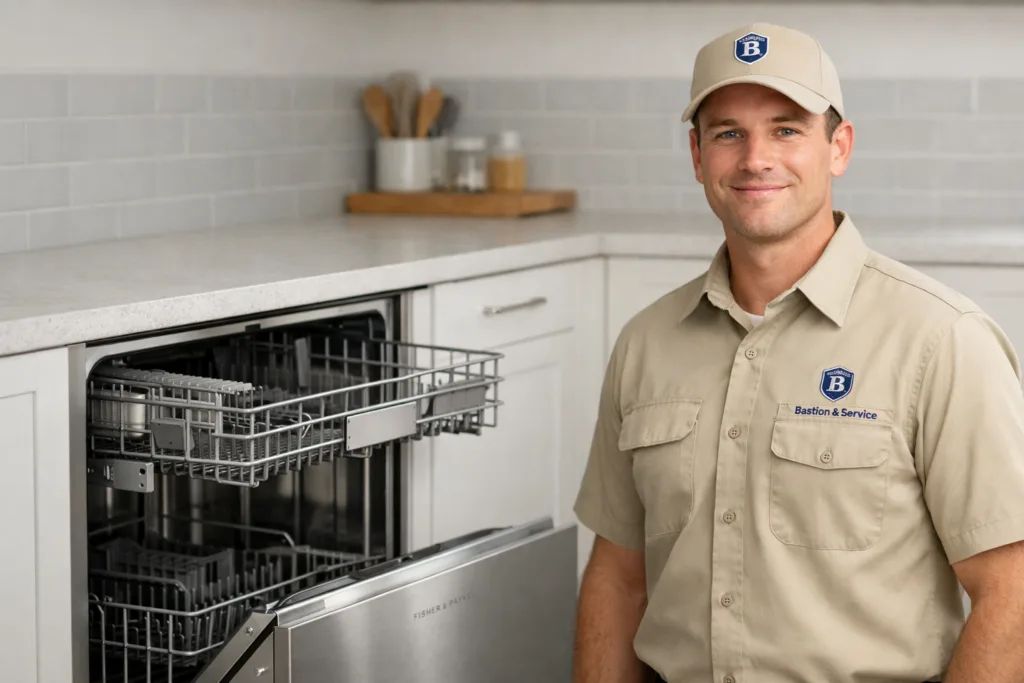




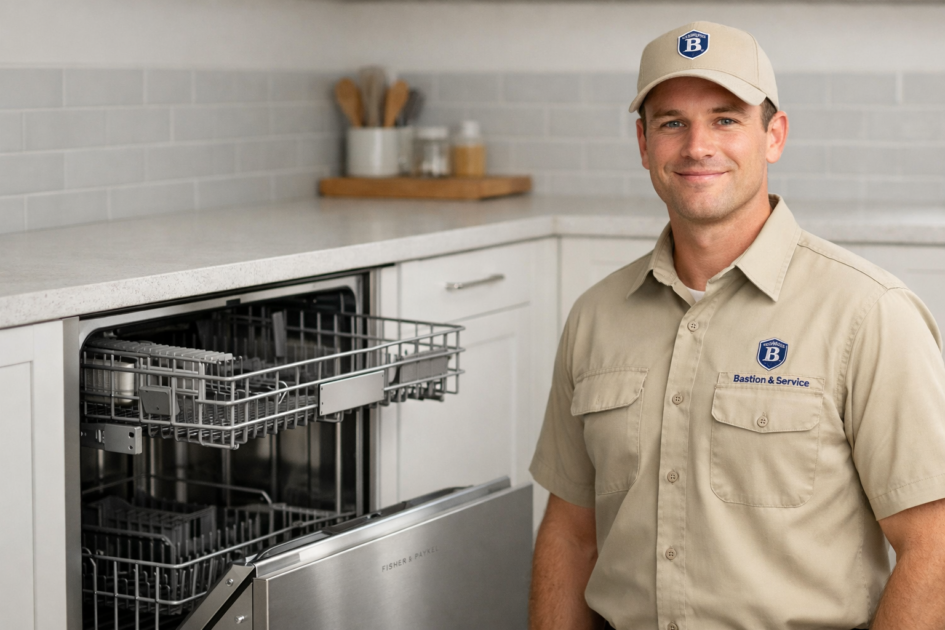
Fisher & Paykel appliances are often designed with specialized controls, compact layouts, and model-specific features, so the most useful way to approach a problem is by looking at the symptom pattern rather than assuming one obvious cause. A refrigerator that feels warm, a dishwasher that leaves water behind, or an oven that bakes unevenly can each have several possible sources, and the right repair decision usually depends on what the appliance is doing before, during, and after the failure appears.
For specific Fisher & Paykel appliance paths in Culver City, review Fisher & Paykel Refrigerator Repair in Culver City, Fisher & Paykel Freezer Repair in Culver City, and Fisher & Paykel Wine Cooler Repair in Culver City.
Start with the symptom pattern, not the part guess
Many household appliance problems look simple at first. A burner does not ignite, the freezer collects frost, or the wine cooler runs constantly. But those symptoms can come from airflow restrictions, worn seals, failed sensors, drain issues, electrical faults, control problems, or normal wear reaching a tipping point. Looking at the full pattern helps narrow down whether the issue is isolated, developing gradually, or serious enough to stop using the appliance until it is checked.
In Culver City homes, common early warning signs include longer run times, intermittent shutoffs, clicking, buzzing, standing water, temperature swings, condensation, flashing indicators, and performance that changes from one cycle to the next. Those signs matter even when the appliance still technically works.
How common Fisher & Paykel appliance problems show up
Refrigerators and freezers
Cooling problems are often the most urgent because they affect food storage quickly. Homeowners may notice a fresh-food section warming up, a freezer softening items, heavy frost, water under the unit, louder-than-normal fan noise, or a machine that runs for long periods without reaching the set temperature. In some cases, the cause is related to airflow, defrost failure, fan operation, door sealing, sensors, or drainage. In others, the issue may be deeper in the cooling system.
Frost buildup in the wrong place is especially useful as a clue. It can suggest a defrost problem, a door not sealing fully, or airflow that is no longer moving correctly through the compartments. Water beneath the refrigerator does not always mean a supply-line leak; it may also come from a blocked defrost drain or condensation issue.
If food is no longer holding temperature consistently, it is usually best not to wait. A refrigerator or freezer that keeps cycling but cannot maintain stable cooling can turn a limited repair into a broader one.
Dishwashers
Dishwasher problems usually show up as poor cleaning, cloudy residue, standing water, leaks, unusual grinding or humming, a drawer or door that will not latch correctly, or a unit that starts inconsistently. Fisher & Paykel dishwashers may also show symptoms tied to drainage, pump performance, wash arm movement, fill issues, sensors, or electronic controls.
A machine that finishes a cycle but leaves dishes wet or dirty may not have a single simple cause. It could be a wash issue, a heating issue, restricted water movement, or a drain problem that affects the entire cycle. If water is left at the bottom, or if the unit leaks onto the floor, it makes sense to stop repeated testing and have the source identified before moisture damages surrounding cabinetry or flooring.
Cooktops and ranges
Surface-cooking complaints often include clicking that does not stop, delayed ignition, weak flame, burners heating unevenly, touch controls not responding, or one section of the appliance working while another does not. With ranges, oven and cooktop symptoms can overlap because shared wiring, controls, and power supply issues may affect more than one function at the same time.
On gas models, a burner that clicks repeatedly may have an ignition-related fault, moisture around the igniter area, misalignment, or wear in the spark system. On electric models, a burner that cycles badly or never reaches proper heat may point to an element, switch, sensor, or control issue. If multiple burners begin acting unpredictably, the problem may be broader than a single burner component.
Any repeated ignition problem should be treated seriously. If operation becomes inconsistent, stop relying on the appliance until the cause is understood.
Ovens
Oven trouble is often noticed through slow preheating, uneven baking, temperature drift, a door that will not seal properly, unexpected shutdowns, or controls that stop responding. Some homeowners first notice it when familiar recipes suddenly stop coming out the same way. That shift in cooking results can be one of the clearest signs that the oven is no longer regulating heat correctly.
Possible causes vary by model, but may involve heating elements, igniters, temperature sensors, relays, cooling fans, door issues, or control faults. If the appliance overheats, shuts off mid-cycle, or never seems to reach the selected temperature, continued use can add stress to already failing parts.
Wine coolers
Wine coolers depend on consistent temperature more than many people realize. Signs of trouble include temperature drift, interior condensation, unusual vibration, constant running, inaccurate displays, or cooling that feels present but unstable. Because storage conditions matter over time, even a mild fluctuation can become meaningful if it keeps happening.
In many cases, these symptoms point to sensors, fans, controls, sealing problems, or cooling-system wear. If the unit is getting noisier or cycling much more often than usual, that change is worth attention before storage conditions become unreliable.
What certain symptoms often mean
Some symptoms are especially helpful when deciding how quickly repair should be scheduled:
- Intermittent performance: Often suggests a failing sensor, loose connection, overloaded component, or control problem rather than a simple setting issue.
- New noises: Buzzing, rattling, grinding, clicking, or humming can point to fans, pumps, relays, motors, or mechanical wear.
- Water where it should not be: Leaks and standing water should be treated as active problems, not cosmetic annoyances.
- Temperature inconsistency: In refrigerators, freezers, ovens, and wine coolers, unstable temperature usually means service should not be postponed.
- Error indicators: Codes and flashing lights can help narrow the category of fault, but they do not automatically identify the exact failed part.
- Repeated resets: If unplugging and retrying seems to temporarily help, the root problem is usually still present.
When waiting is likely to make the repair harder
Some appliance problems stay roughly the same for a while. Others get worse with every cycle. A dishwasher leak can spread into surrounding materials. A refrigerator with restricted airflow can overwork its cooling components. A freezer with heavy frost can strain fans and defrost parts. An oven that overheats can stress internal wiring and controls. A cooktop with ignition trouble can become less predictable over time.
If an appliance is leaking, tripping power, producing a burning smell, failing to hold temperature, or developing sudden new noises, continued use is usually not the safest or most economical choice.
Repair or replacement depends on the overall picture
Not every problem leads to replacement. In many cases, a Fisher & Paykel appliance can still be a good repair candidate when the fault is limited to one system and the rest of the unit is in solid condition. Replacement becomes more reasonable when there are multiple active problems, repeated past repairs, significant cooling-system concerns, or performance decline across several functions at once.
The useful question is not just whether the appliance can be repaired, but whether the current issue appears isolated or part of a larger pattern of wear. Age, condition, prior history, and the severity of the present failure all matter.
What helps a homeowner prepare for service
Before scheduling service, it helps to note when the problem started, whether it is constant or intermittent, what sounds or warning lights appear, and whether the issue affects one function or the whole appliance. A refrigerator that is warm only in one compartment tells a different story than one that is warm everywhere. A dishwasher that leaks only during drain-out can suggest a different path than one that leaks at the start of the cycle. A range with one bad burner is different from a range with display failures and oven heating problems together.
Those details make it easier to determine what failed, how urgent the issue is, whether the appliance should stay off in the meantime, and what kind of repair direction makes sense for the household.
What Culver City homeowners usually want to know
Most people are not looking for a technical lecture. They want to know whether food is still safe, whether water damage is likely, whether a cooking appliance should be used again before repair, and whether the fix is likely to be worthwhile. That is where a symptom-based diagnosis becomes more useful than guesswork.
For Fisher & Paykel appliance repair in Culver City, the most helpful next step is usually to identify the specific failure pattern, separate urgent problems from manageable ones, and decide on repair based on the actual condition of the appliance rather than on assumptions.


