
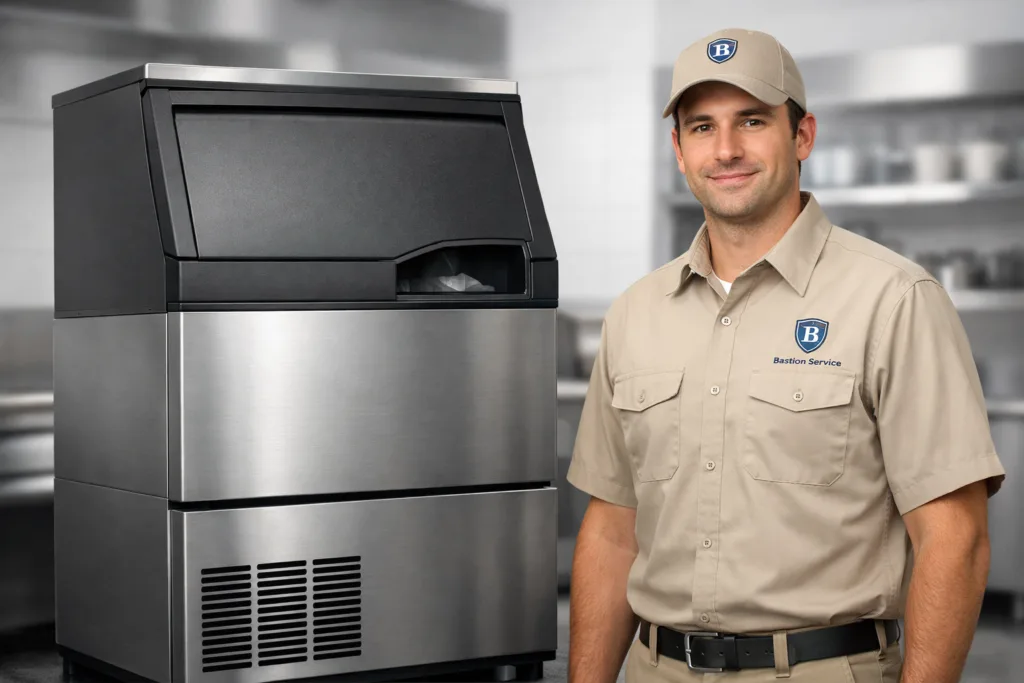




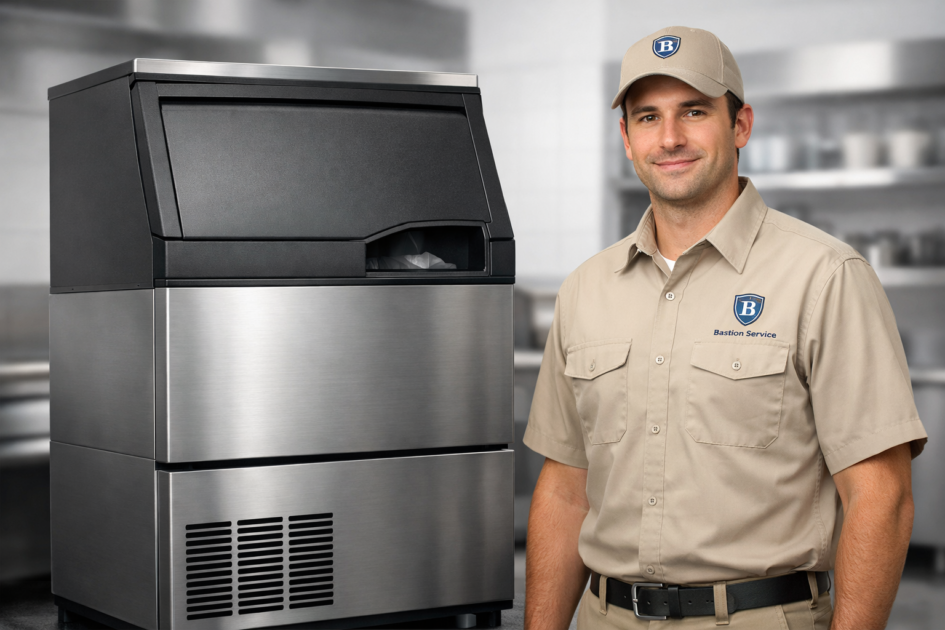
Commercial ice equipment problems tend to affect operations in ways that are easy to notice but not always easy to diagnose. A machine may still run while producing smaller batches, dropping wet cubes, leaking around the base, or taking too long to refill the bin. In restaurants, bars, offices, hospitality properties, and care environments, those issues can quickly affect service speed, sanitation routines, and daily workflow.
Related commercial equipment paths in West Hollywood include Hoshizaki Ice Machine Repair in West Hollywood.
Common ice machine problems in commercial settings
Most service calls start with one of a few symptom patterns. Low ice production can point to restricted water flow, a failing inlet valve, scale buildup, poor condenser airflow, or a refrigeration issue that prevents the machine from completing a proper freeze cycle. If the ice looks cloudy, hollow, soft, or uneven, the problem may involve water quality, fill timing, temperature control, or harvest performance rather than a simple supply shortage.
Leaks are another frequent complaint. Water on the floor may come from a blocked drain, cracked tubing, overflow during fill, a damaged pump component, or melting caused by poor freezing performance. When a unit powers on but never finishes a cycle, likely causes can include sensor faults, thermistor issues, control problems, pump failure, fan trouble, or compressor-related stress.
Noise should also be taken seriously. Buzzing, rattling, grinding, or vibration can indicate loose panels, motor wear, pump problems, or compressor strain. Even if the machine is still making some ice, unusual sound often means it is working harder than it should and may fail more completely if the underlying cause is ignored.
Why symptom-based diagnosis matters
The most useful repair process starts with how the machine is failing in real operation. A complaint about slow ice production does not automatically mean the refrigeration system has failed, and a shutdown does not always mean replacement is the only option. Scale, restricted airflow, poor drainage, a control issue, or a single worn component can create symptoms that look more severe than they are.
Good diagnosis helps separate maintenance-related issues from actual component failure. It also helps identify whether the problem is isolated to the ice machine or part of a broader cooling issue in the kitchen, prep area, or storage space. That distinction matters for scheduling, downtime planning, and avoiding unnecessary part replacement.
Signs the unit should be serviced promptly
Businesses should not wait when the machine is leaking, repeatedly shutting off, tripping breakers, producing inconsistent batches, failing to release ice cleanly, or showing visible changes in cube quality. A machine that runs hot, short cycles, or stops midway through freeze and harvest can put added strain on motors, pumps, fans, and refrigeration components.
- No ice production or major production slowdown
- Water leaking around the cabinet or drain area
- Clumped, soft, cloudy, or misshapen ice
- Extended freeze times or incomplete harvest cycles
- Unusual buzzing, grinding, or vibration
- Repeated shutdowns, resets, or breaker trips
When the issue may involve adjacent refrigeration equipment
Some symptoms that seem like an ice machine failure are really tied to the surrounding environment. Poor ventilation, high ambient heat, nearby equipment strain, or unstable storage temperatures can affect ice consistency and production speed. If cooling problems are centered in the freezer compartment rather than the ice machine itself, Commercial Freezer Repair in West Hollywood may be the better service path.
In other cases, managers notice that the ice machine is underperforming at the same time a reach-in or prep refrigerator is struggling to hold temperature. When broader cooling instability shows up across foodservice equipment, Commercial Refrigerator Repair in West Hollywood may be more relevant for the primary issue.
Repair versus replacement considerations
Not every commercial ice machine breakdown points to replacement. If the cabinet is in good condition, the machine still fits the location’s production needs, and the problem is tied to a repairable component or correctable operating issue, repair is often the sensible next step. Water valves, pumps, sensors, fan motors, controls, and drainage-related faults are common examples where targeted service may restore dependable operation.
Replacement becomes more likely when the machine has a pattern of major failures, severe corrosion, repeated production decline after prior service, or a large refrigeration-system problem that no longer makes financial sense to pursue. Age alone is not the only factor; the real question is whether the current issue is isolated or part of ongoing equipment deterioration.
What businesses in West Hollywood should expect from service
A productive service visit should focus on real operating symptoms, not guesswork. That includes checking water supply and fill behavior, drainage, condenser condition, freeze-and-harvest timing, bin response, control operation, and whether the machine is maintaining normal production under demand. For managers and facility teams, this approach is more useful because it clarifies both the cause of the interruption and the likely next step.
For commercial properties in West Hollywood, the goal is not simply to get the machine running for the moment. The better outcome is stable ice production, fewer repeat interruptions, and a clear understanding of whether the problem involved water flow, scale, controls, airflow, or refrigeration performance. That makes it easier to plan operations and reduce the chance of another avoidable shutdown.


