
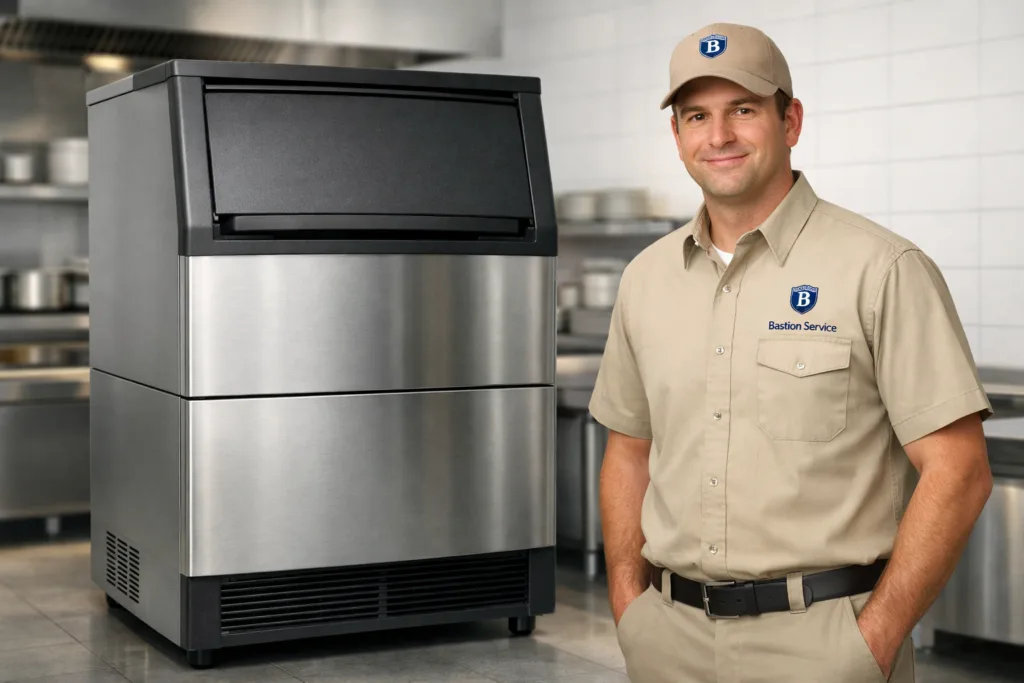




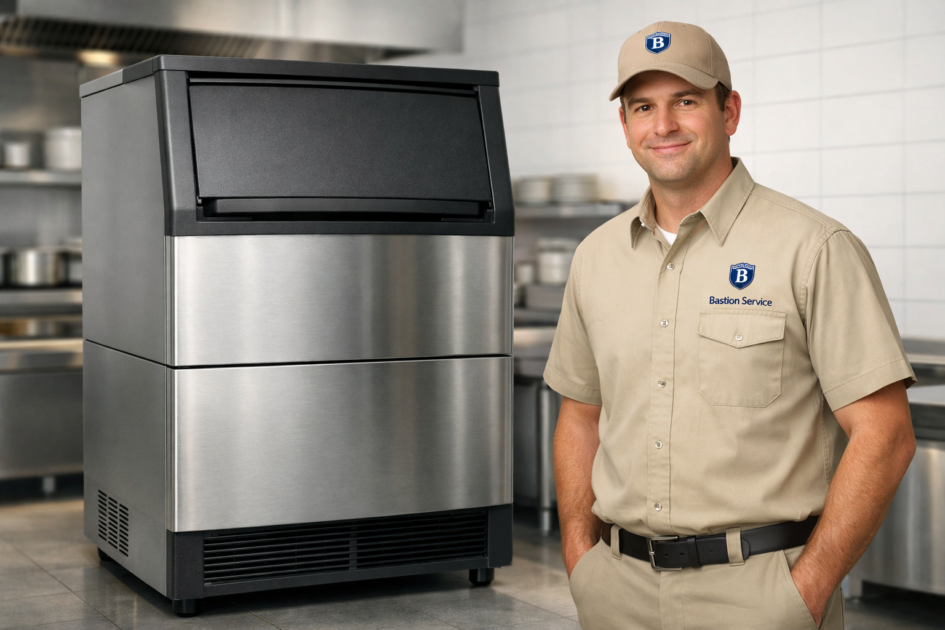
Low ice output, misshapen cubes, water on the floor, or a unit that stops mid-cycle can disrupt service quickly in a commercial setting. For restaurants, offices, medical facilities, and hospitality properties in Rancho Park, the most useful first step is identifying whether the problem starts with water supply, drainage, scale buildup, airflow, controls, or the refrigeration side of the machine.
Related commercial equipment paths in Rancho Park include Hoshizaki Ice Machine Repair in Rancho Park.
Common ice machine problems and what they often mean
Slow production is one of the most frequent complaints. In many cases, it points to restricted incoming water, a dirty water circuit, condenser airflow problems, mineral scale, or temperature-related issues that lengthen the freeze or harvest cycle. When the machine still runs but cannot keep up with demand, the issue is often developing rather than sudden, which makes early service especially important for businesses that rely on steady ice volume.
Ice quality is another useful diagnostic clue. Small cubes, hollow cubes, soft batches, cloudy ice, or uneven sizing can suggest low water pressure, filter restrictions, heavy mineral deposits, faulty sensors, or a valve that is not filling the machine consistently. These symptoms may look minor at first, but they often signal performance loss that can turn into missed harvests or a complete production stop.
Leaks and standing water around the unit can come from blocked drains, cracked tubing, loose fittings, overflow conditions, or thawing caused by interrupted cycles. Clicking, buzzing, rattling, or grinding may point to a pump problem, fan motor wear, valve trouble, or other moving components that should be inspected before the machine suffers a larger failure.
When the problem may involve more than the ice machine
Some symptoms overlap with broader cooling issues in the kitchen or prep area. If the freezer compartment is also struggling to recover temperature, developing frost, or showing poor airflow, Commercial Freezer Repair in Rancho Park may be the more relevant service path for that part of the problem.
In other cases, the ice machine appears to be failing when the underlying issue is a shared ventilation, ambient temperature, or refrigeration condition affecting nearby equipment. If cooling performance problems are also showing up in reach-ins or food storage units, Commercial Refrigerator Repair in Rancho Park may help address the larger refrigeration picture.
Why timely repair matters for business operations
An ice machine does not have to be completely down to create an operational problem. Reduced output during peak hours can strain beverage service, food handling, patient care areas, or guest-facing workflows long before the machine stops altogether. Running a unit with scale buildup, poor airflow, drain restrictions, or unstable water fill can also increase wear on internal components and make the eventual repair more involved.
Prompt service is usually the right move when production drops noticeably, harvest cycles become irregular, cubes change shape, leaks start appearing, or error lights continue to return after a reset. Businesses with limited backup capacity often benefit most from addressing these signs early rather than waiting for a full shutdown.
Repair versus replacement
Many commercial ice machine problems are repairable. Failed inlet valves, pumps, sensors, drain issues, dirty condensers, and scale-related performance loss are common examples where targeted service can restore output and reliability. That makes diagnosis important, because a unit with one isolated fault is very different from a unit with repeated breakdowns and declining overall condition.
Replacement becomes a more serious consideration when the machine has chronic reliability issues, multiple overlapping failures, costly refrigeration-related problems, or a service history that shows recurring downtime. Age, maintenance history, sanitation condition, and the machine’s importance to daily operations all matter when deciding whether repair still makes business sense.
What a commercial service visit should clarify
A productive service call should identify the actual failure point, explain how it affects ice production and consistency, and outline whether the unit can continue operating safely until repair is completed. That information helps managers decide how urgent the work is, whether interim adjustments are realistic, and what level of downtime to expect.
For businesses in Rancho Park, the goal is not just to replace a part and move on. It is to understand why output changed, whether the fix addresses the root cause, and whether the machine is likely to return to dependable operation after repair. That kind of evaluation helps protect workflow, reduce avoidable repeat calls, and support better decisions about critical refrigeration equipment.


