
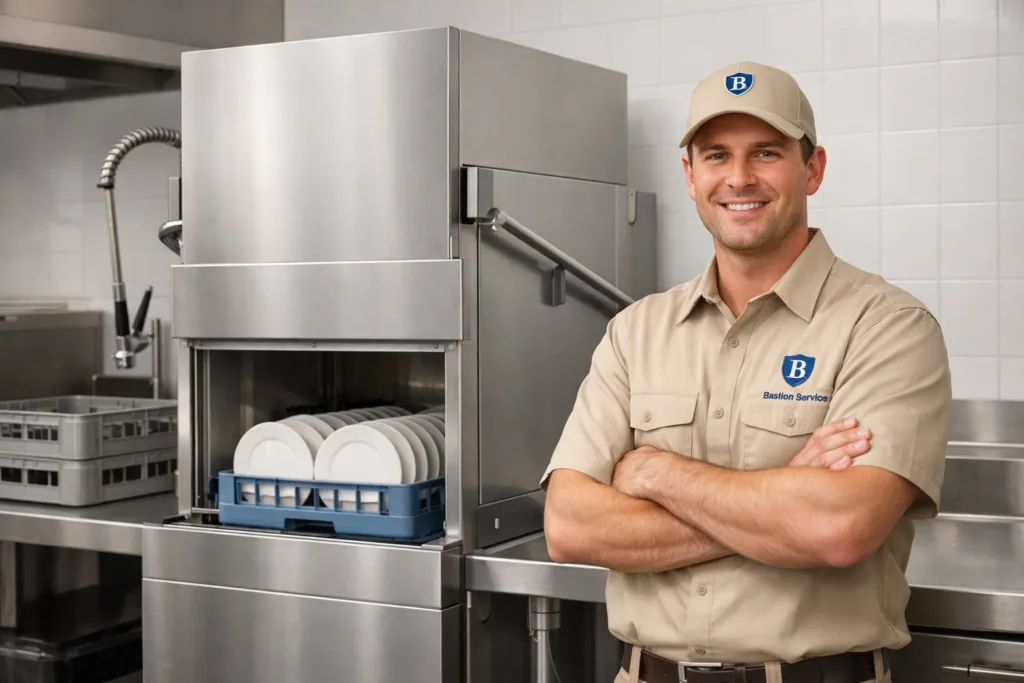




How commercial dishwasher problems affect daily operations
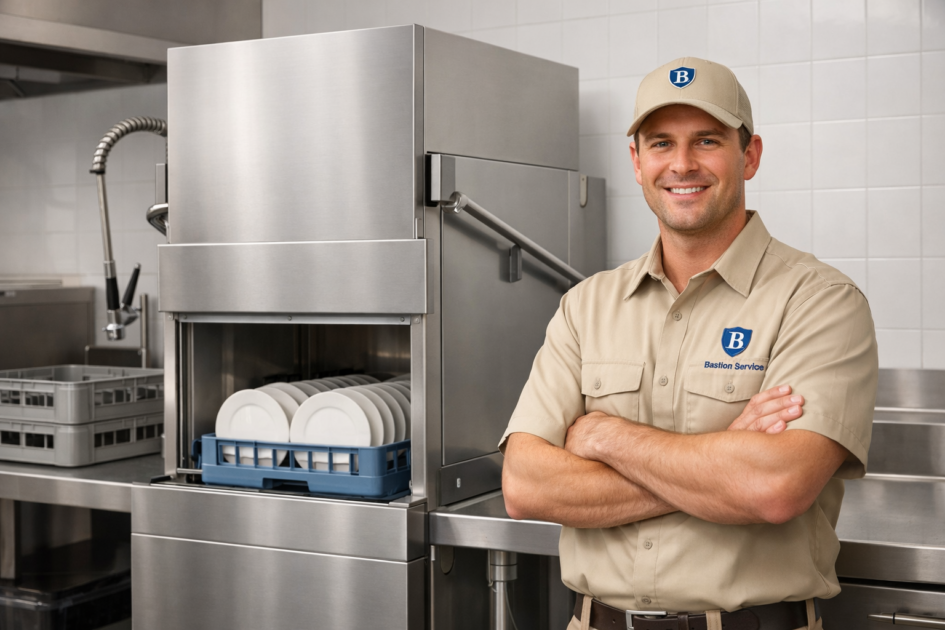
In a busy dish area, even a small dishwasher issue can create immediate pressure on workflow. Poor wash results lead to rewashing, slow draining can back up racks, and leaks or temperature problems can raise sanitation and safety concerns. For restaurants, cafeterias, medical facilities, office kitchens, and other commercial operations in West Los Angeles, the goal is not only to get the machine running again, but to restore reliable output that supports normal staffing and service pace.
Related commercial equipment paths in West Los Angeles include Commercial Fridge Repair in West Los Angeles, Commercial Freezer Repair in West Los Angeles, and Hobart Dishwasher Repair in West Los Angeles.
Because similar symptoms can come from very different failures, the most useful first step is identifying the actual cause. A machine that leaves residue may have a wash pump problem, blocked spray arms, scale buildup, weak water fill, or rinse-temperature issues. A unit that stops during a cycle may point to a drain fault, door switch problem, overheating condition, or an electrical control issue. Treating the symptom without confirming the source often leads to repeat downtime.
Common symptom patterns and what they may mean
Dishes are not coming out clean
When racks come out with grease film, food particles, spots, or cloudy residue, the dishwasher may be operating without enough wash pressure or proper rinse performance. This can happen from clogged spray components, circulation pump wear, mineral buildup, heating problems, or restricted water flow. In some cases, the machine still completes its cycle, but overall cleaning quality drops below what a commercial kitchen can rely on during normal volume.
If staff members are pre-rinsing more aggressively than usual, rerunning loads, or separating out problem racks, that is often a sign the issue is no longer minor. Reduced cleaning performance tends to increase labor time long before the unit stops completely.
The machine is not draining properly
Standing water at the end of a cycle usually points to a restriction in the drain path, a drain pump problem, sensor trouble, or a control fault that prevents the dishwasher from advancing correctly. Slow draining may seem manageable at first, but partial drainage problems commonly get worse with continued use.
Drain issues are worth addressing early because they can contribute to odors, overflow risk, and unnecessary strain on pumps and internal components. In a commercial setting, water left in the machine can also disrupt the next cycle and slow dish turnover during peak periods.
Water is leaking from the unit
Leaks can come from worn door gaskets, loose hose connections, cracked fittings, pump seals, drain assemblies, or internal water path failures. The amount of water on the floor does not always reflect the seriousness of the problem. A slow leak may still indicate a failing seal or connection that can worsen under repeated heating and pressure changes.
For business operations, leaks matter beyond the appliance itself. Wet flooring can create slip hazards, damage surrounding surfaces, and increase the chance of interruptions elsewhere in the dish area. If water appears near electrical components or leak volume increases during operation, service should not be postponed.
The dishwasher will not start or stops mid-cycle
When a commercial dishwasher does not start consistently, stalls during operation, or shuts down before a cycle is complete, possible causes include latch or door-switch problems, water-fill faults, control issues, timer failures, or irregular power delivery. Intermittent failures are especially disruptive because the machine may appear usable until a high-demand period exposes the pattern.
Mid-cycle shutdowns also create confusion for staff because the rack may look finished when it is not. That can affect cleaning consistency and force extra checking, rewashing, and delays.
Rinse temperature is too low
Low rinse temperature is a common commercial concern because it affects final sanitizing performance and cycle reliability. The problem may involve heating elements, boosters, thermostats, sensors, wiring, or control-related failures. It can also show up as longer-than-normal cycles, inconsistent results between loads, or a machine that seems to run but never reaches expected performance.
If the dishwasher is operating without proper rinse heat, the problem should be evaluated promptly. In many commercial environments, temperature consistency is not optional; it is part of maintaining dependable kitchen standards.
The unit fills slowly, overfills, or does not fill correctly
Fill problems can point to inlet valve issues, float switch problems, clogged screens, sensor faults, or control errors. A machine that does not fill enough may clean poorly because wash pressure and water coverage are reduced. A machine that overfills can create leak risk, erratic operation, or cycle interruptions.
These symptoms are sometimes mistaken for a pump problem because the machine sounds active while cleaning performance remains weak. Looking at fill behavior alongside wash quality usually helps narrow the diagnosis.
There is unusual noise or vibration
Grinding, rattling, buzzing, or harsh vibration can indicate pump wear, motor problems, loose internal parts, foreign objects in the wash system, or developing bearing issues. Changes in sound often show up before complete failure, which makes them useful early warning signs.
If noise is getting louder, appearing during specific cycle stages, or happening alongside weak cleaning or draining, the problem should be checked before continued use causes secondary damage.
When continued use can make the repair more serious
Some faults cause inconvenience, while others actively increase repair risk. Continued operation may make the problem worse when the dishwasher is leaking, not draining, overheating, tripping power, failing to rinse at proper temperature, or producing visibly poor wash results. Repeatedly running loads to compensate for weak performance adds wear, wastes water and energy, and does not resolve the root issue.
In commercial kitchens and service environments, delayed repair can also shift the burden onto staff through manual washing, reruns, and reduced output. What starts as a single-component problem can spread into pump strain, control damage, seal failure, or more extensive downtime.
Repair or replace?
Many commercial dishwasher issues are repairable when the machine’s core structure remains in good condition. Pumps, valves, switches, controls, seals, drain components, and heating-related parts are all common sources of failure that can often be addressed without replacing the entire unit.
Replacement becomes a more serious discussion when the dishwasher has recurring breakdowns, multiple active faults, extensive internal wear, or a service history that suggests reliability is no longer realistic. Age alone does not decide the issue. A better measure is whether the machine can return to stable operation without frequent disruption to business activity.
For businesses in West Los Angeles, that decision usually comes down to downtime risk, overall condition, and whether repair will restore dependable dish-area capacity rather than simply postpone the next interruption.
What to note before scheduling service
Clear symptom details can make diagnosis faster and more accurate. It helps to note when the issue happens, whether it affects every cycle or only some loads, and whether the problem began suddenly or developed over time. Details such as standing water, weak spray action, reduced heat, error displays, abnormal noise, or visible leaking can all help narrow the likely cause.
- Whether dishes are dirty after the full cycle or only during heavy-volume periods
- Whether the machine drains slowly or leaves water every time
- If leaking happens during fill, wash, rinse, or after shutdown
- Whether cycle times have become longer or more erratic
- If the unit stops in the same part of the cycle repeatedly
- Any recent change in noise, vibration, or smell
- Whether staff are rewashing loads or reducing rack volume to cope
Why early service is usually the better business decision
Commercial dishwashing equipment rarely fails in a way that affects only one task. Once performance drops, the effects spread into labor, sanitation consistency, and the pace of the entire back-of-house operation. Addressing symptoms early can limit downtime, reduce repeat disruptions, and help prevent a manageable repair from becoming a larger equipment problem.
For commercial dishwasher repair in West Los Angeles, the most effective service approach is one that explains what failed, how it affects operation, and what repair path makes sense for the business. That gives decision-makers a better basis for choosing between immediate repair, monitored short-term use, or replacement planning when the equipment is no longer meeting operational needs.


