





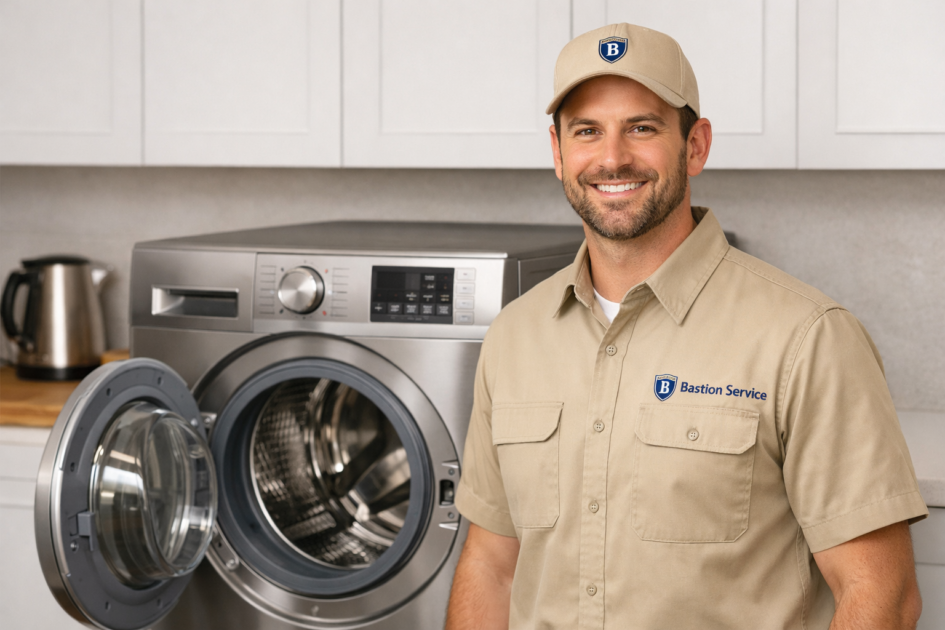
When a Bosch appliance starts failing during normal home use, the biggest mistake is guessing at the fix before the fault is identified. The same symptom can come from a simple wear item, a control problem, restricted airflow, a water issue, or a deeper component failure. Careful troubleshooting helps determine whether the appliance is worth repairing, whether continued use could cause more damage, and how urgent service really is.
For specific Bosch appliance paths in Marina del Rey, review Bosch Refrigerator Repair in Marina del Rey, Bosch Washer Repair in Marina del Rey, and Bosch Dryer Repair in Marina del Rey.
What homeowners usually notice first
Most repair situations begin with a disruption, not a confirmed cause. A dishwasher leaves cloudy dishes behind, a washer stops mid-cycle, a refrigerator runs warm, or an oven heats unevenly before a meal. With Bosch appliances, those symptoms often narrow the field, but they still need to be separated carefully before a repair plan is chosen.
That matters because one outward problem can have several explanations. A dryer that takes too long may have restricted venting, a heating issue, sensor trouble, or a power-related problem. A refrigerator that is not cooling properly may involve airflow, frost buildup, a fan issue, a weak door seal, or an electronic control fault. A symptom-based diagnosis keeps the repair focused instead of turning it into trial and error.
Common Bosch appliance symptom groups
Dishwasher problems
Bosch dishwashers are often serviced for standing water, poor cleaning, unusual noise, leaking, or cycles that seem to run far longer than expected. Drain problems may be tied to a blockage, pump issue, or restriction in the drain path. Poor wash results can point to spray arm obstruction, circulation problems, detergent buildup, or water heating issues.
If the dishwasher is leaking, regular use should pause until the source is identified. Repeated leaks can affect flooring, toe-kick areas, and nearby cabinets even when the appliance still appears to complete a cycle.
Washer issues
A Bosch washer may show trouble through slow draining, failure to spin, strong vibration, water left in the drum, error codes, or a door that will not unlock normally. Some of these issues are connected to drainage and load balance, while others involve the latch, pump, suspension, motor system, or control board.
If the washer is banging hard, stopping repeatedly, or leaking onto the floor, continued use can increase the damage. A machine that seems to work intermittently can still have a fault that is getting worse with each cycle.
Dryer concerns
Dryers commonly show problems through long dry times, no heat, overheating, a drum that will not turn, or a shutdown in the middle of a cycle. In many homes, airflow is one of the first things to verify because restricted venting affects performance and can stress internal components.
If the dryer runs but clothing stays damp, the cause is not always obvious from the symptom alone. Vent restriction, heating failure, moisture sensor issues, or power supply conditions can produce similar results. A burning smell or excessive cabinet heat should be treated as a stop-use issue until the dryer is inspected.
Refrigerator cooling and ice issues
Bosch refrigerator repair often involves temperature swings, food spoiling too quickly, frost in the wrong areas, water leaking inside or below the unit, unusual fan noise, or ice maker complaints. Cooling problems can come from airflow restriction, sensor issues, fan failures, defrost trouble, door gasket leaks, or more serious sealed-system concerns.
Because refrigerator problems can lead to food loss, it usually makes sense to act early rather than waiting for a full no-cool condition. Warm temperatures, new condensation, or odd frost patterns are all signs that the cooling system is not operating normally.
Cooktop, range, oven, and wall oven faults
Bosch cooking appliances can fail in several ways. Burners may not heat correctly, elements may stay too hot or not heat at all, the oven may take too long to preheat, temperature may drift during baking, or the display may stop responding. Gas models may show repeated clicking or delayed ignition, while electric models may show uneven heat or power-related faults.
Since cooking appliances involve heat and, in some homes, gas service, diagnosis matters before the appliance is put back into regular use. A symptom that seems minor, such as inconsistent burner performance, can still point to a condition that affects safety or cooking reliability.
How symptom patterns help narrow the repair path
The most useful inspection starts by matching the symptom pattern to the system most likely involved. That includes when the problem appears, whether it happens every cycle, whether it became worse over time, and whether there are secondary signs like noise, odor, leaking, or display errors.
- If a dishwasher cleans poorly and also sounds different, circulation or wash-system problems become more likely.
- If a washer will not spin and also leaves water behind, the drain system may matter more than the drive system.
- If a dryer heats but still takes too long, airflow should be checked before internal parts are blamed.
- If an oven preheats slowly and cooks unevenly, the issue may involve a sensor, element, relay, or calibration problem.
- If a refrigerator cools inconsistently and frost appears in unusual places, airflow and defrost-related faults move higher on the list.
This approach helps avoid unnecessary part replacement and gives homeowners a better picture of the likely repair scope.
When to stop using the appliance
Some appliance problems are inconvenient but manageable for a short time. Others should be addressed quickly. Service should be scheduled promptly if you notice leaking water, tripping breakers, strong burning smells, repeated shutdowns, major temperature loss, or operating noises that are becoming more severe.
For cooking appliances, safety comes first. If a gas cooktop, range, or oven has a persistent gas smell, stop using it. If needed, leave the area and contact the gas utility or emergency service before arranging repair. Repeated clicking without a gas smell can still indicate an ignition problem that should be checked before normal use continues.
For refrigerators, waiting can mean food loss. For washers and dishwashers, waiting can mean water damage to surrounding surfaces. For dryers, continuing to run the machine with airflow or heating issues can put added stress on components and create avoidable risk.
Repair or replace: what usually matters most
Not every Bosch appliance problem leads to the same recommendation. In Marina del Rey homes, the best path usually depends on the appliance age, the type of failure, the unit’s overall condition, and whether the problem appears isolated or part of a pattern.
Repair often makes sense when the appliance is otherwise in solid shape and the failure is limited to a serviceable component. Replacement becomes more relevant when there is severe internal damage, repeated electronic failures, major refrigerator system concerns, or a repair cost that is difficult to justify based on condition and expected remaining life.
Without diagnosis, that decision is mostly guesswork. With an identified fault, the homeowner can compare cost, risk, and long-term value more realistically.
What a useful service visit should accomplish
A productive repair visit should do more than respond to a symptom. It should confirm the complaint, check the systems commonly connected to that symptom, look for signs of secondary damage, and explain whether repair is straightforward, urgent, or no longer the best value.
That kind of evaluation is helpful across the Bosch household lineup, including refrigerators, washers, dryers, dishwashers, cooktops, ovens, ranges, and wall ovens. Whether the issue is poor cleaning, weak heating, no cooling, draining trouble, inconsistent temperatures, or a cycle that never finishes, the most helpful first step is identifying the actual fault and choosing the repair path from there.
Helpful steps before scheduling repair
Homeowners in Marina del Rey can make the service process easier by noting a few details before the appointment. Write down any error code, listen for whether the problem happens at the start or end of the cycle, and pay attention to whether the issue is constant or intermittent. These clues often help narrow the likely cause faster.
- For a refrigerator, note current temperatures, new noises, or frost patterns.
- For a washer, check whether water remains in the drum and whether spinning starts at all.
- For a dryer, notice whether clothes are warm but damp or completely cool after the cycle.
- For a dishwasher, check whether the problem is poor cleaning, failure to drain, or leaking.
- For an oven or cooktop, note whether the appliance heats slowly, unevenly, or not at all.
Even simple observations can help separate a power, airflow, drain, heating, or control problem from the start.


