





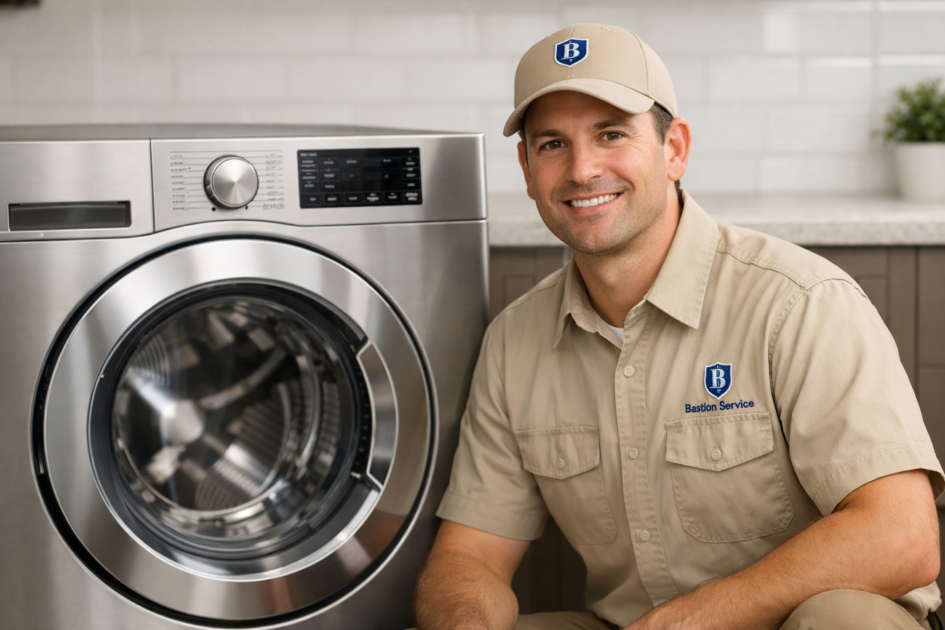
Getting the symptom right before replacing parts can save time, money, and a second breakdown. Many Blomberg appliance problems look similar at first, but a cooling issue, leak, shutdown, or heating failure can come from several different systems. In Venice homes, the smartest next step is usually to identify what the appliance is doing, what changed recently, and whether continued use could make the problem worse.
What common Blomberg symptoms usually point to
Blomberg appliances often show trouble in patterns. A refrigerator may still run but fail to hold temperature. A washer may fill normally but stop before spinning. A dryer may heat, yet clothes still come out damp. A dishwasher may complete a cycle while leaving standing water behind. Looking at the full symptom pattern helps separate a minor operating issue from a mechanical, electrical, drainage, airflow, or control problem.
It also helps to notice whether the problem is constant or intermittent. An appliance that fails every time is diagnosed differently from one that works for several days and then suddenly stops. Intermittent faults often involve sensors, door switches, wiring connections, control boards, or components that fail only after heating up.
Refrigerator and freezer performance problems
Blomberg refrigerators and freezers usually need prompt attention when temperatures begin drifting. If the unit sounds normal but food is warming, the issue may involve airflow restrictions, evaporator frost buildup, fan failure, dirty condenser conditions, sensor problems, or a control fault. If one section is cold and another is warm, that often points to circulation or defrost-related trouble rather than a complete cooling-system failure.
Common warning signs include:
- Soft food or melting ice
- Water collecting under drawers or beneath the appliance
- Heavy frost on the back wall of the freezer
- A fan noise that becomes unusually loud
- A compressor that seems to run almost nonstop
- A refrigerator section that warms while the freezer still cools
Water leaks from a refrigerator or freezer are not always plumbing-related. They can come from a blocked defrost drain, excess condensation, door seal problems, or frost melt that is not draining where it should. If frost keeps building or the appliance is running constantly, continued use can add strain to the cooling system and increase the chance of food loss.
Washer problems that should not be ignored
Blomberg washers often show the earliest signs of trouble through draining and spinning issues. If clothes come out wetter than usual, the drain pump may be obstructed, the washer may not be reaching full spin speed, or the machine may be stopping because of a door lock or control problem. Repeated stopping mid-cycle, persistent vibration, and water on the floor usually mean the issue goes beyond normal load imbalance.
Symptoms that often deserve service soon include:
- The drum will not spin or only spins slowly
- The washer hums but does not drain
- The door stays locked or will not lock properly
- The unit shakes violently even with balanced loads
- Water appears from the door, hose connections, or underneath
- Error codes return after resetting the machine
A washer leak can start small and still damage flooring or surrounding surfaces over time. If the machine is making grinding, scraping, or banging sounds, it is best not to keep testing it repeatedly until the source is checked.
Dryer symptoms that affect both performance and safety
When a Blomberg dryer needs multiple cycles to finish a normal load, the problem is not always the heating element. Long dry times can also point to restricted airflow, sensor trouble, thermostat issues, venting problems, or a blower system fault. A dryer that tumbles but does not heat is diagnosed differently from one that overheats, shuts off mid-cycle, or makes sharp mechanical noise.
Watch for these signs:
- Clothes remain damp after a full cycle
- The dryer becomes unusually hot on the outside
- The drum turns with squealing, thumping, or scraping sounds
- The unit starts and then stops after a short time
- Heat is inconsistent from one load to the next
Overheating and airflow problems should not be put off. Even if the dryer still works, excess heat can shorten component life and lead to larger repairs. If the dryer is shutting down on its own, that may be a protective response rather than a random glitch.
Dishwasher issues that go beyond loading or detergent
A Blomberg dishwasher that leaves dishes dirty does not always have a failed wash pump. Performance can drop because of spray arm blockage, poor draining, water fill problems, circulation issues, or sensing errors. If the dishwasher stops mid-cycle, keeps water in the tub, or leaks around the door, the issue is more likely to need repair than a simple cleaning adjustment.
Recurring dishwasher problems often include:
- Standing water after the cycle ends
- Dishes that stay cloudy or greasy despite normal detergent use
- Leaking near the bottom of the door or under the unit
- Unusual buzzing or humming without normal wash action
- A door that will not latch or a cycle that will not start
If leaking has started, it is usually better to stop regular use until the source is found. Water escaping from a dishwasher can affect nearby cabinets and flooring long before the full extent is visible.
Cooktop, oven, and range symptoms
Cooking appliances usually become frustrating before they fail completely. A Blomberg oven may begin heating unevenly, taking too long to preheat, or producing results that are consistently underdone or overdone. A cooktop or range may show burner problems, ignition clicking, weak flame response, partial heating, or controls that no longer respond normally.
Typical causes can include failed igniters, worn switches, damaged heating elements, temperature sensor problems, relay faults, or power supply issues. When one burner is not working correctly but others are normal, the problem may be isolated. When multiple functions fail together, diagnosis often shifts toward wiring, controls, or incoming power.
If a gas appliance produces a strong or persistent gas smell, stop using it and address that safety issue immediately before planning appliance repair. For electric units, visible element damage, sparking, or breaker trips are all signs to stop use until the appliance is checked.
Why intermittent problems are harder than complete failures
Some of the most frustrating Blomberg calls involve appliances that work part of the time. A refrigerator cools overnight and then warms by afternoon. A washer finishes one load and stops on the next. A dishwasher drains only sometimes. A dryer heats well for twenty minutes and then turns cold. These patterns often point to components that fail under load, sensors that send inconsistent readings, loose connections, or control systems that are beginning to break down.
Intermittent faults can tempt homeowners to wait, especially when the appliance starts working again. The downside is that the symptom may become less predictable and harder to work around, while hidden wear continues to build.
When to stop using the appliance and schedule service
It is usually best to stop regular use when any of the following happen:
- The appliance leaks water onto the floor
- Cooling or freezing is no longer reliable
- The unit overheats, trips power, or shuts down unexpectedly
- There is repeated clicking, grinding, scraping, or electrical odor
- A gas cooking appliance shows an odor that does not clear normally
- Error codes return after basic restart attempts
- The appliance only works intermittently and the problem is becoming more frequent
Using an appliance in that condition can turn a limited repair into a more expensive one. That is especially true with water leaks, restricted airflow, overheating, and persistent cooling problems.
Repair or replace? What homeowners usually need to weigh
The right decision depends less on the brand name alone and more on the specific failure, appliance age, overall condition, and repair cost compared with the value of keeping the machine. Many single-component issues still support repair, especially when the rest of the appliance is in good shape. Pumps, latches, sensors, igniters, switches, and some heating-related parts are often worth addressing when the unit has otherwise been reliable.
Replacement becomes more likely when there are repeated failures, heavy wear across multiple systems, major control problems, or expensive sealed-system issues in refrigeration. If the same appliance has already had several repairs within a short period, it makes sense to look at the broader pattern rather than the current symptom by itself.
A practical way to look at Blomberg appliance trouble in Venice
For most households in Venice, the useful first question is not whether the appliance can be made to run one more time. It is whether the symptom suggests normal wear, a problem that may spread, or a condition that could affect food storage, water containment, heating performance, or safe operation. Once the fault is identified, the next step becomes much clearer: repair now, pause use temporarily, or start replacement planning.
This page applies across common household Blomberg categories including refrigerator, freezer, washer, dryer, dishwasher, cooktop, oven, and range concerns. If the pattern involves leaking, poor cooling, incomplete draining, weak heating, or repeated cycle failure, diagnosis is usually the point where guesswork stops and a workable repair plan begins.


