
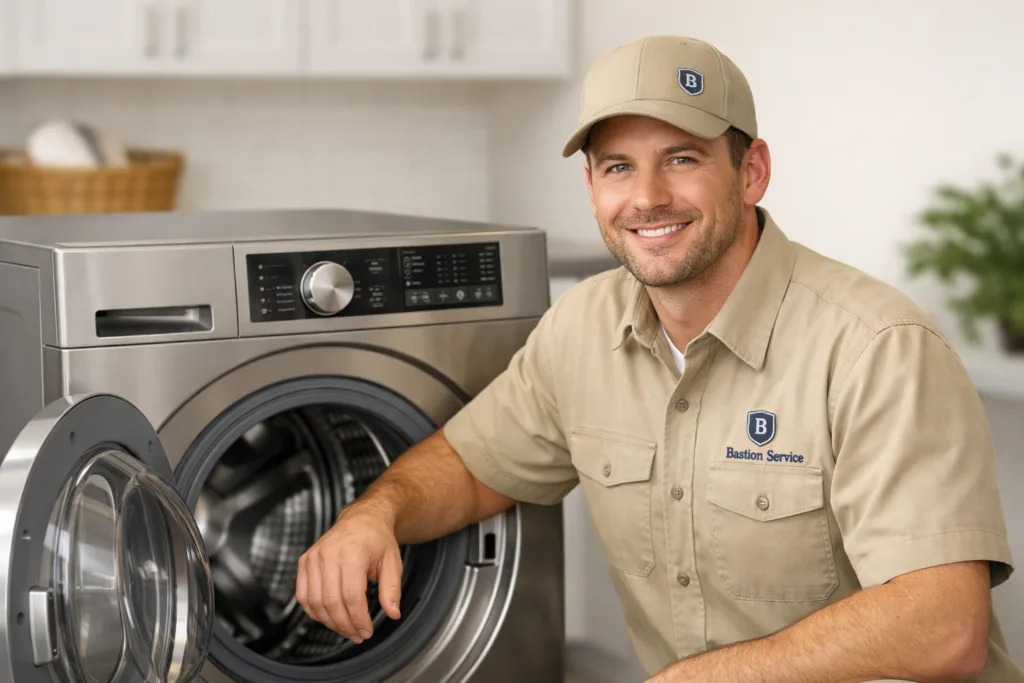




When a Blomberg appliance starts acting up, the biggest mistake is treating every symptom like a quick fix. A refrigerator that is warm, a washer that will not drain, or an oven that heats unevenly can all come from very different underlying faults, so accurate diagnosis matters before deciding whether repair is straightforward, urgent, or no longer cost-effective. In Los Angeles homes, that practical first step helps prevent wasted parts, repeat breakdowns, and damage caused by continued use.
Blomberg appliance repair in Los Angeles: what homeowners usually notice first
Most service calls begin with a symptom, not a confirmed cause. Blomberg appliance repair in Los Angeles often starts with one of a few common patterns: unusual noise, loss of power, temperature inconsistency, water where it should not be, poor cleaning or drying results, or controls that do not respond normally. Those symptoms can point to anything from a simple blockage or worn seal to a failed sensor, heating component, drain issue, fan problem, or electronic control fault.
Because several problems can look similar on the surface, a refrigerator that seems weak on cooling may have an airflow issue, a frost pattern problem, a door seal leak, or a compressor-related fault. A dishwasher that leaves dishes dirty may have spray arm obstruction, drainage trouble, water fill issues, or heating problems. The right repair path depends on narrowing down the cause rather than guessing from the symptom alone.
Supported Blomberg appliance categories
Bastion Service helps Los Angeles homeowners with Blomberg refrigerator, washer, dryer, dishwasher, cooktop, oven, range, and freezer problems. The goal is not just to restore operation, but to identify whether the unit is failing because of wear, installation-related strain, restricted airflow, drainage problems, ignition issues, or control system faults that affect normal household use.
Refrigerator and freezer issues
Blomberg refrigerators and freezers often show trouble through warming temperatures, frost buildup, leaking water, buzzing or clicking noises, or an ice maker area that stops performing as expected. In many cases, those signs indicate airflow restriction, defrost system trouble, fan motor issues, door gasket wear, drain blockage, or thermostat and sensor problems.
If food temperatures are rising, frozen items are softening, or water is collecting under the unit, service should not be delayed for long. Continued use can lead to food loss, excess ice buildup, and strain on cooling components. Repair is often sensible when the cabinet is otherwise in good shape and the problem is isolated to a serviceable part. Replacement becomes more relevant when cooling problems are severe, repeated, and tied to major sealed-system or high-cost component failure.
Washer problems
For Blomberg washers, common complaints include failure to start, incomplete draining, vibration, banging during spin, water leaks, musty odor, or cycles that stop mid-program. These symptoms can point to drain pump obstruction, suspension wear, door lock issues, inlet valve problems, pressure sensing faults, or control board errors.
A washer that leaks, will not spin out clothing, or repeatedly stops full of water should usually be checked before regular use continues. Repeated operation with drainage or balance problems can worsen water damage, strain the motor, or damage internal components. If the unit is otherwise dependable and the fault is confined to a pump, latch, hose, or sensor system, repair is often a practical option, and Blomberg Washer Repair in Los Angeles may be the better service path when the problem is clearly centered on wash or spin performance.
Dryer problems
Blomberg dryer issues often show up as long dry times, no heat, overheating, a drum that will not turn, unusual thumping, or automatic cycles that end too soon or run too long. Depending on the model and symptom, the cause may involve airflow restriction, heating element failure, thermostats, moisture sensing, belt or roller wear, or electrical supply issues.
If a dryer is running hot, shutting off unexpectedly, or taking multiple cycles to dry a normal load, it is smart to stop pushing it through repeated loads until the cause is known. Continued use can increase wear, waste energy, and in some cases create preventable safety concerns. Repair tends to make sense when the drum, motor, and cabinet are in solid condition and the issue is limited to serviceable wear parts or controls, and if the issue starts before the cycle can dry clothing normally, Blomberg Dryer Repair in Los Angeles may be the better place to start.
Dishwasher problems
Blomberg dishwashers commonly develop poor cleaning results, standing water, leaks, bad odor, failure to start, or dishes that come out wet at the end of the cycle. Those signs can indicate drain restrictions, circulation pump trouble, water inlet issues, heating faults, door latch problems, or sensor-related cycle errors.
When a dishwasher is leaking or leaving dirty water in the tub, service should be scheduled before regular use continues. Even a small leak can damage flooring and cabinetry over time. If the machine still fits the household well and the fault is not tied to multiple major systems at once, repair is often more practical than replacement.
Cooktop, oven, and range concerns
Blomberg cooking appliances can develop uneven heating, burners that do not heat correctly, controls that do not respond, ignition clicking, temperature drift, or an oven that takes too long to preheat. Electric and gas models can fail in different ways, so symptom-based diagnosis is especially important here. Surface element issues, igniters, spark modules, temperature sensors, control boards, switches, and wiring faults can all create similar user complaints.
If an oven is overheating, underheating, or cooking inconsistently, continued use can lead to poor results and make it hard to trust cooking temperatures, and Blomberg Oven Repair in Los Angeles may be more relevant when the symptom involves oven temperature or preheat performance rather than the cooktop surface. If burners repeatedly click without lighting and there is no gas smell, the ignition system should be checked before normal use. If there is a persistent or strong gas smell, stop using the appliance and address that as a safety issue first before arranging appliance repair.
How diagnosis helps you decide between repair and replacement
Homeowners in Los Angeles usually want a straightforward answer: fix it or move on. The most useful way to make that decision is by looking at the actual failed part, the age and condition of the appliance, whether the issue has become repetitive, and whether continued use risks collateral damage. A single failed drain pump, thermostat, igniter, latch, fan, or seal often supports repair. Repeated breakdowns across multiple systems, severe cooling failure, major control issues on an older unit, or high repair cost relative to remaining life can shift the balance toward replacement.
Diagnosis also helps separate urgent problems from manageable ones. Water leaks, no-cool refrigerator conditions, non-draining washers, overheating dryers, and cooking appliances with ignition or temperature-control concerns should generally be evaluated sooner rather than later. Cosmetic issues or minor noise changes may allow more flexibility, but only if the appliance is still operating safely and predictably.
What to do before scheduling service
Before service is arranged, it helps to note exactly what the appliance is doing: when the problem started, whether it is constant or intermittent, any error codes, and whether performance changed after a power outage, heavy load, or cleaning. For refrigerators and freezers, note current temperatures and any frost pattern. For washers and dishwashers, check where the water is collecting. For dryers, pay attention to dry times and heat level. For ovens, ranges, and cooktops, notice whether the issue affects one burner, multiple burners, or the oven cavity itself.
That kind of detail makes Blomberg appliance repair in Los Angeles more efficient because the diagnosis starts with real operating symptoms instead of trial and error. For homeowners, the practical goal is simple: identify the fault, avoid making the problem worse, and choose the repair path that makes sense for the appliance you rely on every day.


