





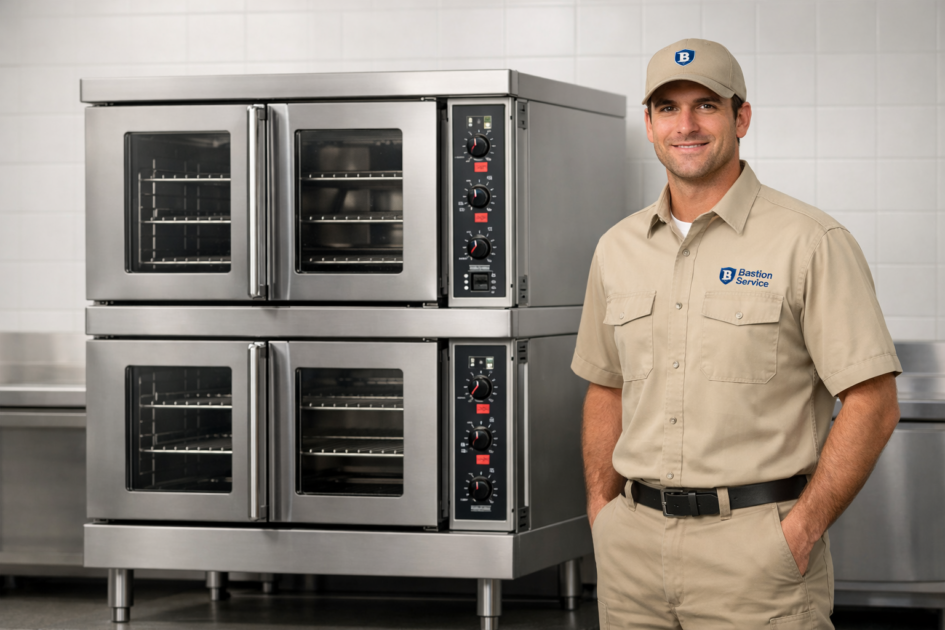
Blodgett cooking equipment problems often show up as lost heat, unstable temperatures, ignition trouble, or shutdowns that interrupt production at the worst time. For businesses in Torrance, the most useful response is to get the symptom pattern evaluated quickly so repair decisions are based on the actual fault, the effect on daily output, and whether the equipment can stay in use safely until service is completed. Bastion Service works with businesses that need timely troubleshooting, repair scheduling, and a realistic path back to normal operation.
For specific equipment paths in Torrance, review Blodgett Oven Repair in Torrance and Commercial Appliance Repair in Torrance.
What Blodgett cooking equipment problems usually need service?
Many calls start before a full breakdown. Equipment may still run, but it begins missing temperature targets, recovering slowly, heating unevenly, or stopping unexpectedly during active use. Those symptoms can point to issues with ignition parts, burners, heating components, sensors, controls, airflow, gas delivery, electrical supply, or internal safety circuits.
Blodgett cooking equipment used in kitchens can develop problems such as:
- Slow preheat or failure to reach the selected temperature
- Hot spots, cold spots, or uneven cooking results
- Burners that do not light consistently or do not stay lit
- Temperature drift during production
- Recovery delays after doors are opened
- Error displays, control lockups, or unresponsive settings
- Unexpected shutdowns in the middle of a cycle
- Intermittent operation that becomes harder to predict
Because different faults can create similar symptoms, part-swapping based on guesswork often leads to repeat downtime. A proper service visit helps narrow the problem to the component or system actually causing the interruption.
Heating problems that affect output and consistency
Slow preheat and weak heat performance
When Blodgett cooking equipment takes too long to heat, the effect shows up immediately in prep timing and ticket flow. Slow preheat may be tied to weak ignition, failing heating components, sensor inaccuracy, burner issues, or control faults that keep the unit from delivering full heat. Even if the equipment eventually gets warm, longer heat-up time can reduce batch capacity and create delays across the kitchen.
This is also the point where managers often need to know whether the unit can remain in service for limited use or whether continued operation is likely to cause more downtime. That decision is best made after testing rather than assumptions.
Temperature swings and uneven cooking
Inconsistent browning, uneven bake results, or large swings around the set temperature usually indicate a deeper performance problem rather than simple calibration drift. Sensors, thermostatic controls, electronic controls, airflow components, door sealing, and heat distribution issues can all contribute. In Torrance kitchens, that kind of inconsistency can lead to product waste, remakes, and slower line performance.
When the same recipe starts producing different results from one cycle to the next, repair becomes an operations issue, not just an equipment issue.
Ignition and burner faults that can turn into no-start failures
Intermittent startup is one of the most common warning signs before a complete outage. If the equipment clicks but does not light, lights and drops out, or needs repeated restart attempts, the cause may involve igniters, flame sensing, gas valves, safety circuits, burner assembly problems, or control-related faults.
These symptoms matter because they rarely stay minor for long. A unit that starts on the second or third try today may fail completely during a rush tomorrow. Delayed ignition or unstable burner operation can also place added stress on related components, increasing the chance that one problem becomes several.
Service is especially important when operators notice:
- Repeated ignition attempts before startup
- Burners cycling off unexpectedly
- Heat dropping during active cooking
- Units that run normally one shift and fail the next
- Frequent resets needed to keep equipment operating
Control, sensor, and shutdown issues
Modern cooking equipment depends on controls and feedback systems to maintain stable performance. When displays show faults, buttons stop responding, cycles interrupt, or the equipment shuts down without a clear reason, the problem may involve boards, relays, harnesses, sensors, or incoming power issues. Intermittent faults are particularly disruptive because they may not appear during every cycle, yet they still affect reliability and staff confidence.
It helps to note when the problem appears. If shutdowns happen only during preheat, after the door opens, after a long run period, or only at certain temperature settings, that pattern can shorten diagnosis and help isolate the failing circuit or component.
When continued use is likely to make the problem worse
Some Blodgett equipment will keep operating after performance drops, but that does not always mean it should stay in active rotation. Continued use becomes riskier when the unit overheats, loses temperature without warning, shuts down mid-cycle, struggles to relight, or produces visibly inconsistent results. Running through those symptoms can increase wear on controls, heating parts, or ignition components while also affecting food quality and production timing.
Businesses in Torrance should treat service as more urgent when they notice:
- Returning error codes after resets
- Frequent shutdowns during normal use
- Unusual delay in heat recovery
- Inconsistent operation across identical cooking cycles
- Signs of electrical stress, overheating, or repeated tripping
Addressing those issues early is often less disruptive than waiting for a full failure during operating hours.
How repair planning helps kitchens manage downtime
For business-use cooking equipment, repair is not only about replacing a failed part. Managers typically need to know what failed, how likely the issue is to recur before service, whether the equipment can stay in limited use, and how to schedule the repair around production needs. That information helps with staffing, menu planning, batch timing, and decisions about shifting work to other units.
Diagnosis can also clarify whether the problem is isolated or part of broader wear. If an older unit has had repeated temperature, ignition, or control issues, the next step may involve evaluating whether repair still makes operational sense. If the equipment is otherwise in solid condition, a targeted repair may restore reliable performance without a larger disruption.
Support for Blodgett ovens and related cooking equipment concerns
Although many calls involve ovens, the same core symptom groups show up across cooking equipment used in daily kitchen operations: heat loss, unstable temperatures, ignition failures, burner trouble, control problems, and recovery issues. Looking at those symptoms as a system problem rather than a single bad part is usually the fastest way to understand why performance has changed.
That matters when a kitchen is trying to decide between immediate shutdown, limited continued use, or scheduled repair. The right answer depends on how the unit is failing, how central it is to production, and whether the current behavior points to a safety, quality, or reliability concern.
Scheduling repair service in Torrance
If Blodgett cooking equipment is causing production delays, inconsistent results, or repeated interruptions, the next step is to schedule service before a manageable fault becomes a full outage. For Torrance businesses, a repair visit should do more than confirm that something is wrong; it should identify the likely cause, explain the repair path, and help determine whether the equipment should stay in service, move to limited use, or be taken offline until the issue is corrected.





