
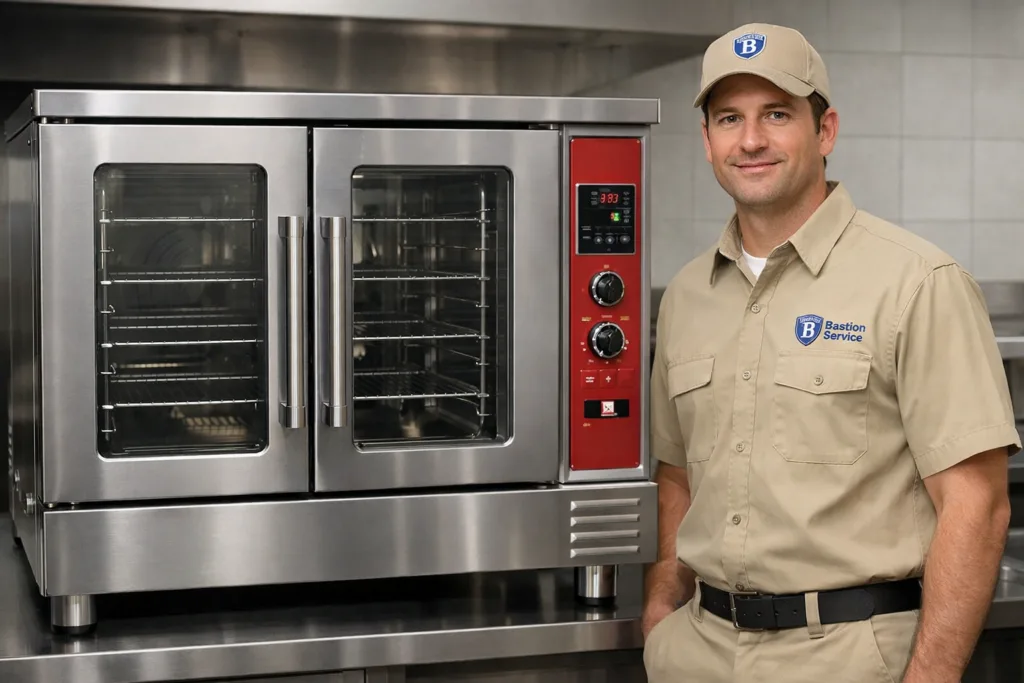




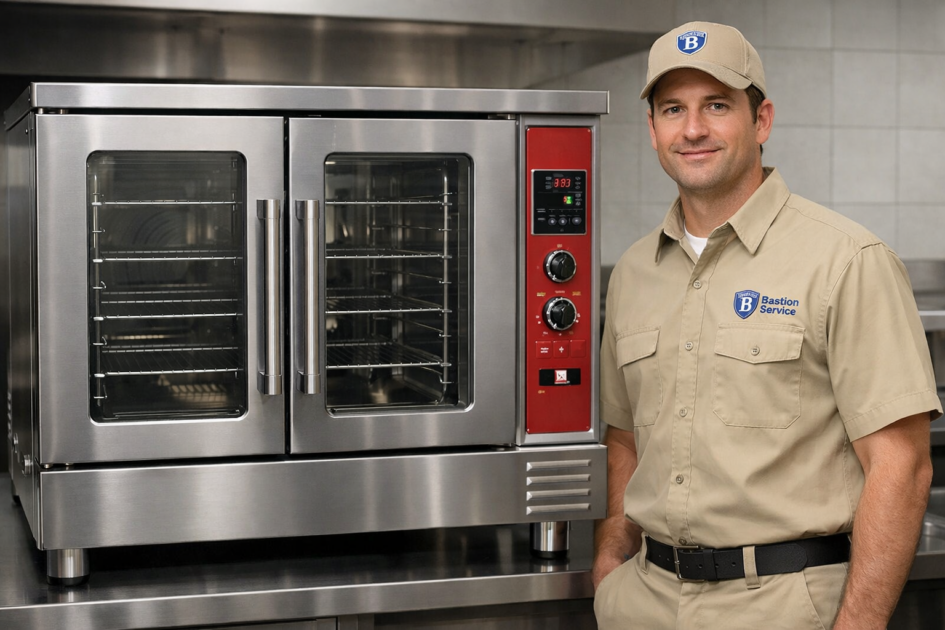
When Blodgett cooking equipment starts causing ticket delays, uneven results, or repeated interruptions, the most useful next step is a service visit that identifies the actual fault and the fastest path back to stable operation. For businesses in Rancho Park, repair decisions often come down to whether the problem is isolated to ignition, heat output, temperature regulation, controls, or a broader wear pattern that could lead to a longer outage if left alone. Bastion Service helps operators assess the symptom, schedule repair appropriately, and decide whether equipment should stay in use, run in a limited way, or be taken offline until service is completed.
For specific equipment paths in Rancho Park, review Blodgett Oven Repair in Rancho Park and Commercial Appliance Repair in Rancho Park.
Common Blodgett cooking equipment problems that affect daily production
Blodgett equipment issues rarely stay limited to one complaint. A unit that starts with slow preheat may soon struggle to recover during peak demand. A small temperature swing can turn into inconsistent cooking, longer cook times, or staff having to compensate manually. Repair is most effective when symptoms are evaluated as a pattern rather than treated as separate annoyances.
Temperature inconsistency and uneven cooking
If food is finishing too quickly on one rack, lagging on another, or coming out different from batch to batch, the problem may involve sensors, thermostatic controls, burner performance, airflow, door sealing, or calibration drift. On ovens and similar cooking equipment, these faults often show up first as quality-control issues before they become full shutdowns. Once temperature variation starts affecting output, service is worth scheduling before product loss and rework become routine.
Ignition trouble, burner failure, and hard starts
Delayed ignition, clicking without lighting, intermittent flame, or a burner that drops out during operation can point to igniters, flame-sensing components, gas-valve faults, wiring issues, or control failures. These symptoms should not be brushed aside as minor because repeated failed starts add wear and can quickly turn a usable unit into an unavailable one. If equipment is struggling to light consistently, diagnosis helps determine whether it can remain in operation safely while repair is arranged.
Slow preheat and poor heat recovery
Cooking equipment that eventually reaches set temperature but falls behind under normal load often has a performance issue rather than a simple calibration complaint. Weak burner output, airflow problems, worn seals, control regulation faults, or internal heat distribution issues can all reduce recovery speed. In a busy kitchen, slow recovery translates directly into bottlenecks, inconsistent timing, and pressure on staff to compensate around the equipment.
Controls, displays, and unexpected shutdowns
If the display is unresponsive, settings do not hold, the unit resets unexpectedly, or operation stops mid-cycle, the issue may be tied to boards, relays, switches, safety devices, wiring, or incoming power problems. These faults usually require component testing instead of guesswork. Equipment that shuts down at random can be especially disruptive because the symptom may appear only after the unit has been running long enough to build heat.
Overheating, hot spots, and burned product
Not every heat complaint is about low temperature. Some units run hotter than indicated, overshoot the setpoint, or create concentrated hot zones that burn product on one side while leaving another underdone. This can stem from control failure, sensor error, airflow imbalance, or burner regulation problems. If staff are constantly adjusting cook times to work around the machine, the equipment is no longer performing predictably enough for efficient production.
What Blodgett cooking equipment problems do you troubleshoot?
Service typically focuses on symptom patterns that interfere with consistency, safety, and output. Common troubleshooting concerns include:
- Units not heating or taking too long to heat
- Temperature running high, low, or fluctuating during use
- Ignition failure, burner dropout, or delayed flame
- Slow recovery after doors are opened or product is loaded
- Controls that freeze, reset, or stop responding
- Error conditions, intermittent operation, or unexplained shutdowns
- Uneven cooking, poor airflow, or hot and cold spots
- Wear-related problems affecting reliability during daily use
Because these symptoms can overlap, the goal of service is not just replacing a part that appears suspicious. It is confirming what is failing, what related components should be checked, and whether the repair is likely to restore stable performance.
How symptom-based diagnosis helps with repair decisions
A thorough assessment helps answer the questions that matter to operators, managers, and kitchen staff. Is the problem limited to one repairable component, or does it suggest broader deterioration? Can the equipment stay in service until the repair date, or is continued use likely to create a bigger failure? Is the unit worth repairing based on current condition and downtime risk?
For businesses in Rancho Park, those answers affect scheduling, staffing, menu planning, and daily throughput. A proper diagnosis also helps avoid replacing multiple parts without fixing the root cause, which is a common problem when temperature, ignition, and control symptoms appear together.
Signs you should stop using the equipment and book repair promptly
Some conditions justify immediate attention rather than waiting for a slower period. Equipment should be taken seriously if it shows repeated ignition failure, strong burning odors, frequent shutdowns, unstable temperatures, tripped breakers, unresponsive controls, or obvious loss of heat during production. Even if the unit still runs part of the time, unreliable operation can create food quality issues, workflow disruption, and added strain on other equipment.
Operators sometimes keep a struggling unit in rotation because it seems to work well enough between failures. In practice, that often leads to a more expensive outage at the worst possible time. Scheduling repair when the symptom first becomes consistent is usually easier than reacting after the equipment stops altogether.
Repair or replacement for older Blodgett equipment
Many problems are still practical to repair when the issue is tied to a sensor, igniter, valve, switch, control component, or another identifiable failure. In those cases, service can restore dependable function without a major equipment decision. Replacement becomes more likely when the unit has chronic faults, multiple failing systems, recurring shutdown history, or signs that heat and age have affected overall reliability.
The right choice depends on more than equipment age alone. What matters is whether repair is likely to return the machine to stable daily use, how often it has already needed attention, and how much risk another failure would create for your operation in Rancho Park.
Blodgett repair support for Rancho Park kitchens
If your Blodgett cooking equipment is missing temperature targets, failing to ignite, recovering too slowly, or shutting down during use, service should focus on restoring predictable performance rather than masking the symptom. A scheduled repair visit helps confirm the cause, define the repair scope, and set realistic next steps so your kitchen can plan around downtime instead of being surprised by it.


